Understanding FODMAPs: The Hidden Culprit Behind Bloating

Many people experience bloating, gas, or discomfort after meals, but few realize that certain foods could be the cause. If you’ve ever felt uneasy after eating, it could be due to a group of carbohydrates known as FODMAPs. But what exactly are FODMAPs, and how can they affect your digestive health?

What Are FODMAPs?

FODMAP stands for Fermentable Oligosaccharides, Disaccharides, Monosaccharides, and Polyols. FODMAPs are a group of carbohydrates that, when consumed, can cause digestive issues in some individuals. These carbohydrates are not fully absorbed in the small intestine, meaning they travel into the large intestine, where they are fermented by bacteria. This fermentation process produces gases, which can lead to uncomfortable symptoms like bloating, cramping, and excess gas.


For people with sensitive digestive systems, particularly those with irritable bowel syndrome (IBS), the impact of high-FODMAP foods can be particularly significant. However, by following a low-FODMAP diet — which involves avoiding or limiting high-FODMAP foods — many individuals find relief from these symptoms. The low-FODMAP diet has been scientifically proven to improve digestive health and reduce symptoms of IBS, bloating, and gas for many individuals.

High-FODMAP vs. Low-FODMAP Foods

Certain foods are higher in FODMAPs, and consuming them can trigger digestive distress in sensitive individuals. High-FODMAP foods include common staples like:

  • Wheat (breads, pasta)
  • Dairy (lactose)
  • Onions and Garlic
  • Certain Fruits (like apples, pears, and stone fruits
  • Legumes (such as lentils and chickpeas)

In contrast, low-FODMAP foods are easier on the digestive system and include options like:

  • Carrots, Zucchini, and Spinach
  • Rice and Quinoa
  • Lean proteins (chicken, turkey, fish)

These low-FODMAP alternatives can help reduce bloating and discomfort for those sensitive to FODMAPs.

A Simple Low-FODMAP Recipe for Digestive Relief

Shifting to a low-FODMAP diet doesn’t have to be difficult. Here’s a quick and easy recipe you can try to support your digestive health:

Low-FODMAP Easy Stir-Fry Recipe:

  1. Sauté chicken breast, zucchini, and carrots in olive oil.
  2. Season with salt, pepper, and a touch of fresh lemon juice for added flavor.
  3. Serve with a side of steamed rice for a wholesome meal that’s gentle on your gut.

This meal is both nutritious and easy to prepare, offering relief from bloating and discomfort. Interested in more detailed recipe? Stay tuned for our next update!

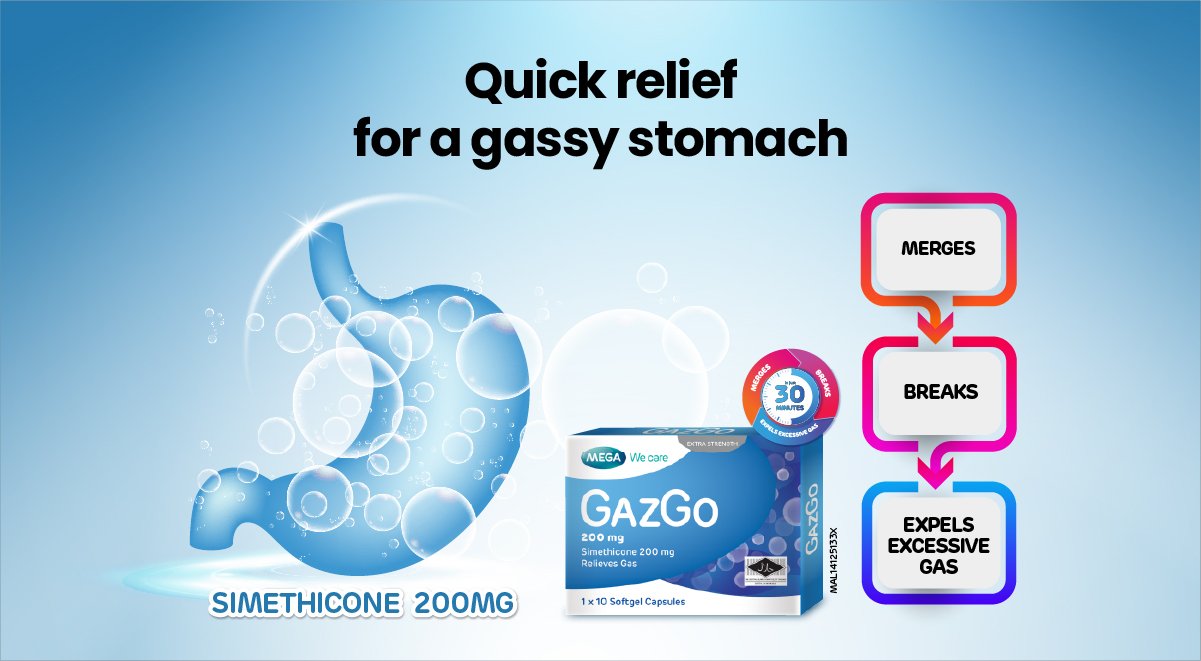
GAZGO: Relieve Bloating Quickly and Effectively

In addition to dietary adjustments, you can also find relief through natural supplements like Gazgo. Gazgo is specifically designed to target bloating issues. With just one capsule, it works to soothe your digestive tract, reduce gas, and help relieve bloating in minutes.

By combining a low-FODMAP diet with your go-to companion, Gazgo — which you can take anywhere, anytime — you can support your digestive system and enjoy more comfort in your day-to-day life.

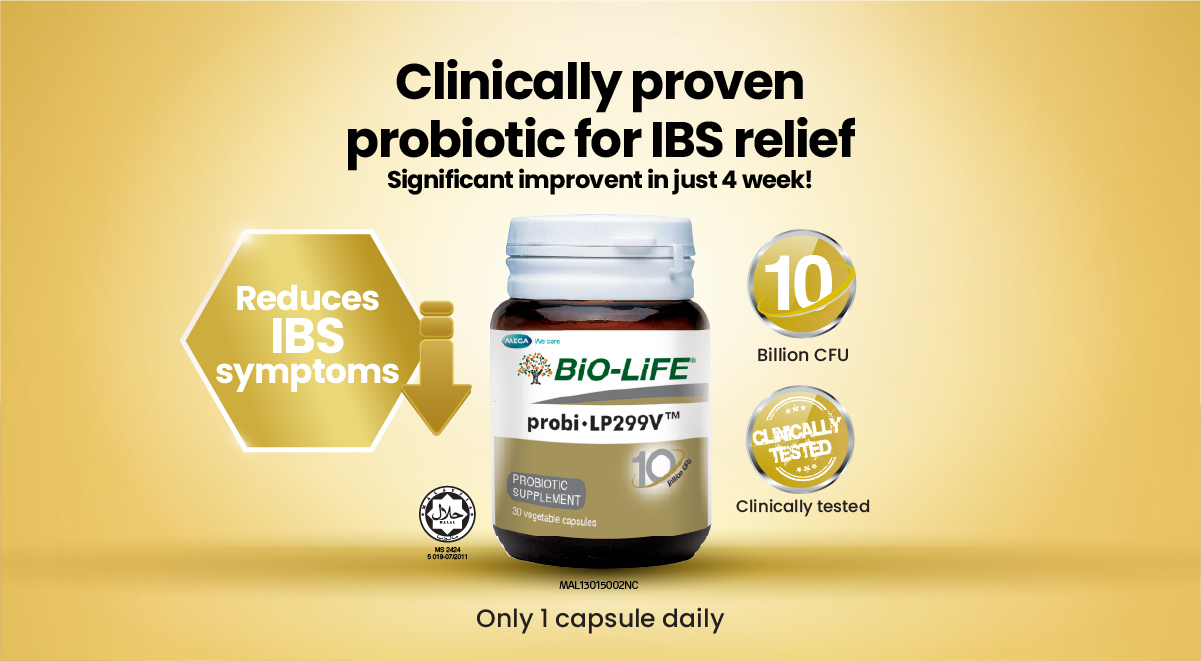
Probiotics: BiO-LiFE ProbiLP299V for IBS Symptom Relief

Another effective tool for managing digestive health is incorporating the probiotic supplement – BiO-LiFE ProbiLP299V. Specifically designed to help manage and reduce symptoms of IBS (Irritable Bowel Syndrome), this probiotic can support a balanced gut microbiome and provide significant relief from common IBS symptoms. To ensure the quality and effectiveness of BiO-LiFE ProbiLP299V, it should be kept refrigerated. For guidance on how to incorporate it into your routine, be sure to consult our health adviser by clicking the WhatsApp icon below.

Make Digestive Health a Lifestyle

Take control of your digestive well-being and make these small changes part of your lifestyle for lasting relief from bloating and discomfort!