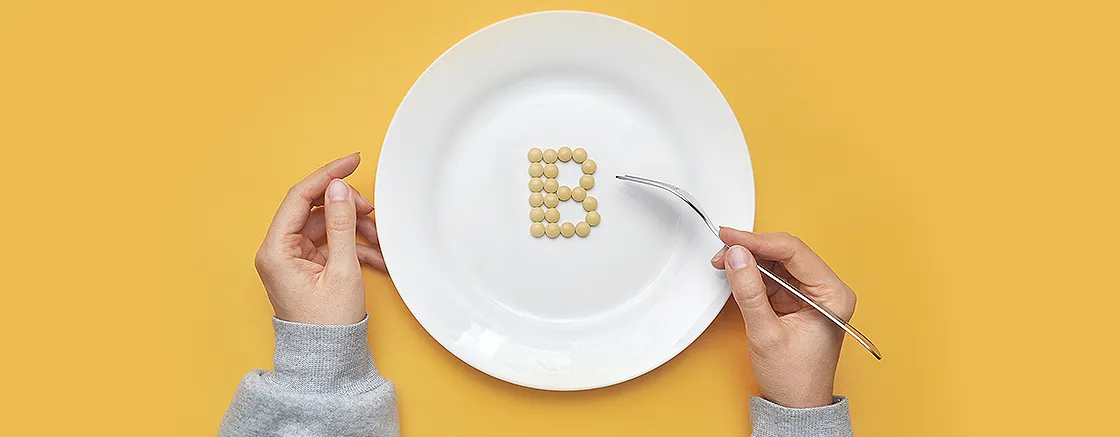
Anemia can leave you feeling drained, weak, and unable to enjoy life the way you want to.
Two vital nutrients, vitamin B12 and iron, are at the heart of preventing this condition, yet many of us don’t realize just how essential they are until we start feeling the effects of a deficiency.
Vitamin B12 helps produce healthy red blood cells, while iron is crucial for transporting oxygen throughout the body.
When these nutrients are lacking, the body struggles to function properly, and anemia can develop. So, how can we make sure we’re getting enough of these two vital nutrients?
Understanding the role of vitamin B12 and iron is the first step toward taking control of your health and ensuring you have the energy and vitality to live your best life.
In this article, we’ll delve into the role of B12 in preventing anemia, discuss iron deficiency anemia treatment options, and highlight the best plant-based sources of both nutrients for vegetarians.
The role of Vitamin B12 in anemia
- Vitamin B12 plays a pivotal role in maintaining healthy nerve cells and supporting the production of DNA, which is critical for the formation of red blood cells.
- A deficiency in B12 can lead to a condition called megaloblastic anemia, where red blood cells become large and underdeveloped, impairing their ability to carry oxygen.
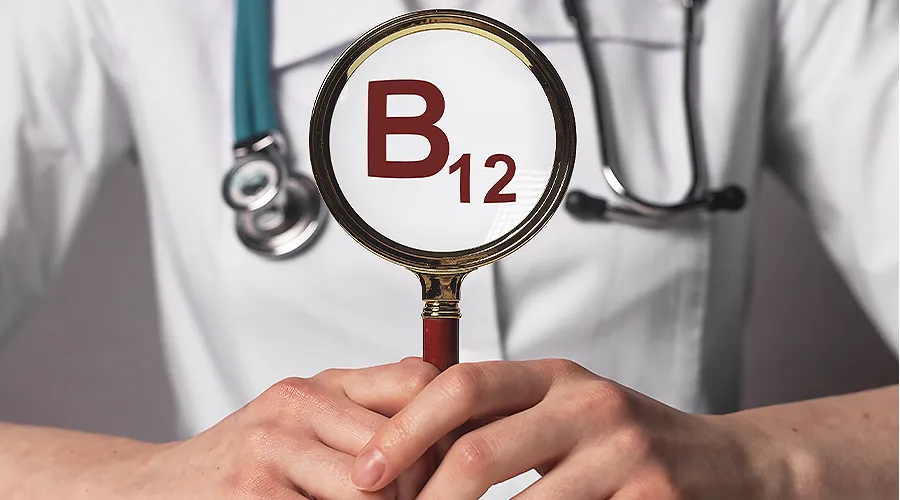
How does B12 deficiency lead to anemia
Without sufficient B12, the body struggles to produce enough healthy red blood cells.
This results in a decreased oxygen supply to vital organs. This often results in symptoms such as fatigue, weakness, shortness of breath, and cognitive difficulties.
B12 deficiency anemia can be particularly concerning for vegetarians and vegans, as plant-based diets may often lack adequate sources of this crucial vitamin.
The importance of iron in preventing anemia
Iron is another essential nutrient for the production of hemoglobin count, the protein in red blood cells responsible for oxygen transport.
A lack of iron leads to iron-deficiency anemia, the most common form of anemia globally.
Iron deficiency and its impact on health
Iron deficiency anemia impairs the body’s ability to produce hemoglobin and restricts hemoglobin range, resulting in decreased oxygen delivery to tissues.
Due to this, one might experience symptoms such as extreme fatigue, pale skin, dizziness, and cold extremities. Although iron is abundant in plant foods, vegetarians need to ensure they consume enough.
This can be attributed to the lower bioavailability of non-heme iron found in plants, as compared to heme iron from animal sources.
Plant-based sources of Vitamin B12 for vegetarians
B12 is predominantly found in animal products, but that is not to say that there aren’t alternative sources.
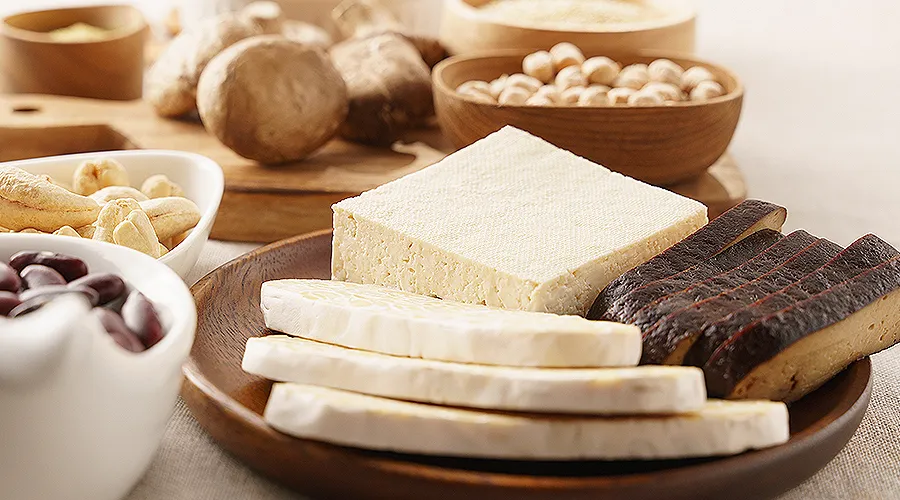
There are some plant-based options and fortified foods available for vegetarians which are well worth exploring.
Fortified foods
- Many plant-based milks (almond, soy, oat) and breakfast cereals are fortified with B12.
- These products are a reliable source of the vitamin for vegetarians.
Nutritional yeast
- Nutritional yeast, often fortified with B12, is a popular ingredient among vegans and vegetarians.
- It has a cheesy flavor and can be sprinkled on a variety of dishes, making it an easy and tasty way to boost B12 intake.
Marine algae and seaweed
- Certain types of algae and seaweed can be sources of vitamin B12.
- Nori, the type of seaweed commonly used in sushi rolls, contains some bioavailable B12.
- Other edible seaweeds like chlorella and spirulina also contain B12-like compounds, though their bioavailability may vary.
- While these sources shouldn’t be relied upon as your sole source of B12, they can contribute to overall B12 intake when included regularly in a vegetarian diet.
Supplements
- Given the scarcity of natural plant-based sources of B12, many vegetarians opt for B12 supplements to meet their daily requirements.
- These supplements come in various forms, including tablets, drops, and sprays.
Plant-based iron sources for vegetarians
Although plant-based iron (non-heme iron) is less easily absorbed by the body, vegetarians can still meet their iron needs through the right dietary choices:
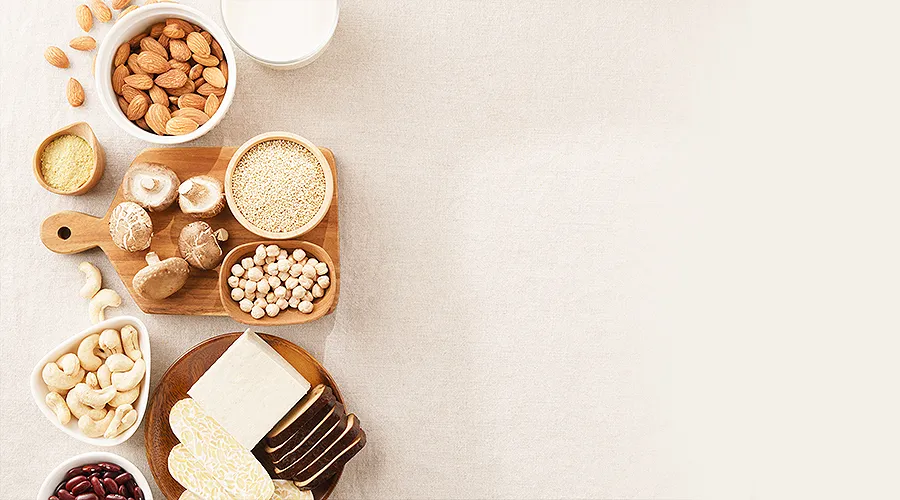
Lentils and beans
- Lentils, chickpeas, and black beans are excellent sources of non-heme iron.
- A cup of cooked lentils provides about 6.6 mg of iron, which is roughly 37% of the daily recommended intake.
Spinach and leafy greens
- Dark leafy greens like spinach, kale, and Swiss chard are rich in iron, though they contain oxalates that can inhibit absorption.
- Pairing these greens with a source of vitamin C (like lemon juice) can enhance iron absorption.
Tofu and tempeh
- Soy-based products such as tofu and tempeh are high in iron and can be a versatile addition to vegetarian meals.
- A half-cup of tofu contains around 3 mg of iron, making it a solid choice for iron intake.
Pumpkin seeds
- Pumpkin seeds are another iron-rich plant food, providing about 2.5 mg of iron per 1-ounce serving.
- These seeds are also a great source of magnesium and healthy fats.
Maximizing iron absorption from plant-based sources
Given the nature of these food items, and the need for more iron sources, one can also look for sources that provide these nutrients in addition to your daily diet.
Alternatively, people can also look at combinations that maximize iron absorption in the body.
Finally, it is equally important to exercise some simple dos and don’ts to make sure that their body maintains the essential nutrients that it needs.
Combine iron with Vitamin C
- Vitamin C-rich foods like citrus fruits, tomatoes, and bell peppers can boost iron absorption when consumed with iron-rich meals.
Avoid iron inhibitors
- Certain foods and beverages, such as coffee, tea, and dairy, can inhibit iron absorption.
- It’s best to consume these away from iron-rich meals.
Cook in cast iron pans
- Using cast iron cookware can increase the iron content of your meals, especially when cooking acidic foods like tomatoes.
Conclusion
Your body deserves the best and providing it with the right amount of vitamin B12 and iron can make all the difference in preventing anemia.
If you’re concerned about your levels, talking to a healthcare provider is always a smart choice. When we prioritize these nutrients in our diet, we empower ourselves to live healthier, more energetic lives.
Remember, small changes can lead to powerful results. Your body—and your future self—will thank you. For vegetarians, ensuring adequate intake of both Vitamin B12 and iron is essential for preventing anemia and maintaining optimal health.
While plant-based sources of these nutrients may be limited, fortified foods, nutritional yeast, supplements, and a well-planned diet can help bridge the gap.
By incorporating B12 and iron-rich foods into your daily meals and maximizing iron absorption, you can reduce the risk of deficiency and support your overall well-being.