

Have you ever wondered what keeps your body energized and functioning smoothly every day?
It all comes down to tiny powerhouses in your blood—your red blood cells (RBCs) and hemoglobin (HB). These two work together to carry oxygen to every corner of your body, keeping you active and healthy.
But when something disrupts this system, it can lead to anemia, a condition that can leave you feeling tired, weak, and out of breath.
In this blog, we’ll break down what RBCs and hemoglobin are, how they work, and how their connection to anemia impacts your health.
Whether you’re looking to understand your blood test results or simply want to learn more about staying healthy, we’ve got you covered with easy-to-understand insights and practical tips!
Understanding RBCs and hemoglobin
Red blood cells (RBCs) and hemoglobin (HB) are integral to our body’s ability to function optimally. RBCs are the transport vehicles of our circulatory system, carrying oxygen from the lungs to various body tissues and returning with carbon dioxide for exhalation.
Hemoglobin, the protein housed within RBCs, plays a pivotal role in this process by binding to oxygen and carbon dioxide, facilitating their transport.
However, iron deficiency anemia in the number of red blood cells or the hemoglobin count in the blood can lead to a reduced capacity of the blood to carry oxygen, resulting in anemia.
This anemia disease can manifest through various symptoms such as fatigue, paleness, and shortness of breath, which are direct consequences of the body’s organs not receiving enough oxygen.
Understanding Red Blood Cells (RBCs)
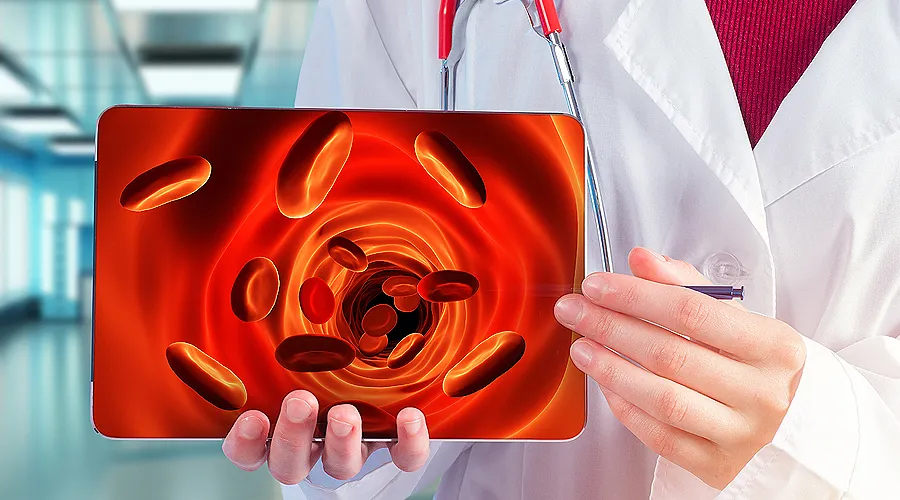
Red blood cells (RBCs) are primarily responsible for carrying oxygen from the lungs to all parts of the body and returning carbon dioxide to the lungs for exhalation.
This is crucial for maintaining the energy production essential for the body’s normal functioning.
Hemoglobin, a protein inside RBCs, plays a key role in this process by binding to oxygen and facilitating its transport through the bloodstream.
Causes of Low RBC Count
Adequate hemoglobin levels, vitamin B9 (folate), and vitamin B12 are essential for the production of healthy red blood cells (RBCs).
Iron is a critical component of hemoglobin, the molecule in RBCs that carries oxygen. Vitamin B12 and folate are necessary for the production and maturation of RBCs in the bone marrow.
Deficiencies in these nutrients can lead to decreased RBC production, resulting in anemia:
1. Iron deficiency: It is the most common cause of anemia worldwide. It can occur due to inadequate dietary intake, increased needs during pregnancy, or chronic blood loss.
2. Vitamin B12 and folate deficiencies: It can cause megaloblastic anemia, where RBCs are larger than normal and not fully developed, affecting their oxygen-carrying capacity.
3. Chronic Diseases: Chronic conditions such as kidney disease, cancer, and autoimmune disorders like rheumatoid arthritis can profoundly impact RBC production. These diseases can lead to anemia of chronic disease (ACD) or anemia of inflammation, characterized by the body’s inability to effectively use iron stored in the tissues, despite adequate levels.
4. Significant Blood Loss: Acute or chronic blood loss, from surgical procedures, traumatic injury, or conditions such as gastrointestinal ulcers or heavy menstrual bleeding, can deplete the body’s RBC supply faster than it can be replenished, leading to anemia.
5. Bone Marrow Disorders: Disorders that affect the bone marrow can directly impact its ability to produce RBCs:
- Aplastic anemia occurs when the marrow fails to produce enough blood cells, including RBCs.
- Myelodysplastic syndromes are conditions in which the bone marrow produces malformed and dysfunctional RBCs.
6. Lifestyle Factors and Environmental Exposures: Certain lifestyle choices and environmental factors can also affect RBC counts:
- Smoking introduces carbon monoxide into the bloodstream, which binds to hemoglobin much more effectively than oxygen, decreasing the oxygen-carrying capacity of RBCs.
- Chronic exposure to toxins such as lead or benzene, often found in polluted environments or certain workplaces, can damage the bone marrow and affect RBC production.
7. Genetic Factors: Certain genetic conditions can lead to reduced RBC production or increased RBC destruction. Thalassemia and sickle cell anemia are inherited disorders that cause the body to produce abnormal forms of hemoglobin, leading to anemia:
- Thalassemia causes the body to create fewer healthy hemoglobin molecules and RBCs.
- Sickle cell disease results in RBCs that are rigid and sickle-shaped, leading to their premature destruction.
RBC life cycle and iron metabolism
Red blood cells (RBCs), or erythrocytes, are produced in the bone marrow through a process called erythropoiesis.
This process begins with hematopoietic stem cells differentiating into erythroid progenitor cells, progressing through stages such as proerythroblast, erythroblast, normoblast, and reticulocyte, before maturing into erythrocytes. Erythropoiesis typically takes about seven days.
Once matured, RBCs enter the bloodstream, where they circulate for approximately 100 to 120 days.
During their lifespan, they are responsible for transporting oxygen from the lungs to tissues and returning carbon dioxide to the lungs for exhalation.
As RBCs age, they undergo structural changes, leading to decreased flexibility and functionality. These senescent RBCs are primarily removed from circulation by macrophages in the spleen and liver through a process known as eryptosis.
Iron is a critical component of hemoglobin, the protein within RBCs that binds and transports oxygen. The body efficiently recycles iron from aged and damaged RBCs.
When macrophages phagocytize senescent RBCs, hemoglobin is broken down, releasing iron.
This iron is then bound to transferrin, a plasma protein that transports it to various tissues, including the bone marrow, where it is utilized for the synthesis of new hemoglobin molecules during erythropoiesis.
Iron is stored in the body in two primary forms: ferritin and hemosiderin.
Ferritin is a soluble, readily mobilizable form of storage iron, while hemosiderin is an insoluble form that accumulates when iron levels are elevated. Major storage sites include the liver, spleen, and bone marrow. The liver plays a central role in iron metabolism, not only as a storage site but also by producing hepcidin, a hormone that regulates iron homeostasis by inhibiting intestinal iron absorption and iron release from macrophages.
Maintaining adequate iron levels is essential for continuous RBC production and preventing anemia.
Iron deficiency anemia can lead to decreased hemoglobin synthesis, resulting in microcytic, hypochromic anemia characterized by smaller-than-normal RBCs with reduced hemoglobin content.
Conversely, excess iron can be toxic, leading to conditions such as hemochromatosis, where iron accumulates in tissues, causing damage. Therefore, the body tightly regulates iron absorption, recycling, and storage to maintain optimal levels for erythropoiesis and overall health.
Understanding HB (Hemoglobin)
Hemoglobin (Hb) is a crucial protein found in red blood cells that gives blood its red color. It plays a vital role in transporting oxygen from the lungs to all parts of the body and returning carbon dioxide to the lungs for exhalation.
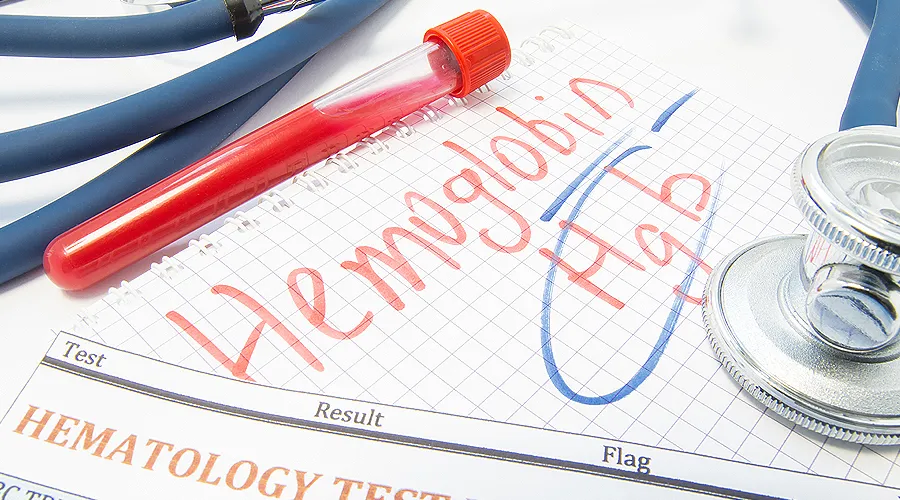
This oxygen-carbon dioxide exchange is essential for maintaining the metabolic processes vital for energy production and overall physiological function.
Causes of Low Hemoglobin Levels
Several factors can lead to low hemoglobin levels:
- Nutritional deficiencies: Insufficient intake of iron, vitamin B12, or folate can directly affect hemoglobin production.
- Blood loss: Conditions that cause blood loss, like heavy menstrual periods, gastrointestinal bleeding, or surgery, can deplete hemoglobin levels.
- Bone marrow and genetic disorders: Diseases such as aplastic anemia, leukemia, and other bone marrow disorders can impair the production of hemoglobin.
- Chronic diseases: Conditions like kidney disease or chronic inflammatory diseases can interfere with hemoglobin production.
How RBC and HB deficiency can cause anemia
Red blood cells (RBCs) and hemoglobin (Hb) play pivotal roles in the transport of oxygen from the lungs to tissues throughout the body and the return of carbon dioxide to the lungs for exhalation.
Deficiencies in either can lead to anemia, significantly impacting overall health.
- Bone Marrow Dysfunction: Disorders such as aplastic anemia, leukemia, and myelodysplastic syndromes directly impair the bone marrow’s ability to produce RBCs. In aplastic anemia, for instance, the marrow fails to produce sufficient numbers of these cells, a condition often triggered by autoimmune diseases, exposure to toxic chemicals, or radiation.
- Nutritional Deficiencies: Lack of essential nutrients such as iron, vitamin B12, and folate crucially affects RBC production. Iron is integral to hemoglobin formation, vitamin B12 is essential for proper red cell formation, and folate is needed for DNA synthesis in developing RBCs. Deficiencies in these nutrients can lead to decreased RBC production and anemia.
- Chronic Diseases: Chronic conditions like kidney disease affect the production of erythropoietin, a hormone that stimulates the formation of red blood cells in the bone marrow. Reduced erythropoietin levels lead to diminished RBC production.
- Autoimmune Diseases and Infections: Conditions such as autoimmune hemolytic anemia involve the body’s immune system attacking and destroying its own red blood cells. Similarly, infections like malaria disrupt RBC integrity, leading to their premature destruction.
- Inherited Disorders: Diseases such as sickle cell anemia and thalassemia cause structural abnormalities in hemoglobin, leading to the production of fragile RBCs that break down prematurely. These inherited conditions not only reduce the lifespan of RBCs but also impair the blood’s ability to transport oxygen efficiently.
-
Acute and Chronic Blood Loss: Significant blood loss through trauma, surgery, or internal bleeding (e.g., gastrointestinal bleeding due to ulcers or cancers) rapidly depletes the body’s stores of RBCs and hemoglobin. Chronic conditions, such as heavy menstrual bleeding or peptic ulcers, cause sustained low-level blood loss, which can cumulatively lead to significant depletion of hemoglobin and RBCs over time.

Conclusion
We have explored the crucial functions of red blood cells (RBCs) and hemoglobin (HB) in transporting oxygen and supporting overall health.
Deficiencies in these critical components lead to anemia, which manifests through fatigue, paleness, and breathlessness, signaling inadequate oxygen delivery to body tissues.
The causes of such deficiencies range from nutritional gaps and genetic disorders to chronic diseases, each impacting RBC and HB production and lifespan.
Lifestyle factors and environmental exposures also play significant roles in affecting these levels. Understanding these elements empowers us to prevent and manage anemia better, improving life quality.