

Ever felt constantly tired, lightheaded, or just not yourself, even after a good night’s sleep? It could be more than just a busy schedule or stress—anemia might be the reason. Often overlooked, anemia can quietly affect your energy, mood, and overall health.
Anemia disease is a common condition where your body doesn’t have enough healthy red blood cells to carry adequate oxygen to your tissues, making you feel drained and weak. It’s not just about feeling tired, though; if left unchecked, anemia can affect your quality of life and overall health.
This blog is all about uncovering anemia symptoms—how it’s diagnosed, what kinds you might encounter, and why it’s so important to pinpoint the type accurately.
From simple iron deficiency anemia blood tests to more detailed examinations, we’ll guide you through the methods doctors use to diagnose anemia and the various forms it can take.
Let’s dive in and learn more about this crucial health topic.
Different types of anemia
Anemia is a diverse group of conditions characterized by a deficiency in the number or quality of red blood cells or hemoglobin.
These deficiencies can affect the body’s ability to transport oxygen effectively, leading to various symptoms and health issues.
Major types of anemia
1. Iron-Deficiency Anemia
- The most common type of anemia causes is the lack of iron, which is necessary for hemoglobin production.
- Effects: Symptoms include fatigue, weakness, pale skin, and in severe cases, shortness of breath.
- Treatment: Iron supplements and dietary changes to increase iron intake.
2. Vitamin Deficiency Anemia (B12 and Folate)
- This type involves vitamin B12 deficiency symptoms or folic acid deficiency anemia, both of which are essential for DNA synthesis in red blood cells.
- Effects: Causes megaloblastic anemia, where red blood cells are larger than normal and inefficient in their function. Symptoms can include fatigue, dizziness, and cognitive difficulties.
- Treatment: Dietary supplements and, in severe cases, injections of vitamin B12 or increased intake of folate-rich foods.
3. Hemolytic Anemia
- This type occurs when red blood cells are destroyed faster than they can be made.
- Effects: Can lead to jaundice, dark-colored urine, and abdominal pain.
- Treatment: This anemia treatment depends on the cause but may include avoiding suspect medications, treating infections, or suppressing the immune system.
Less common types of anemia
1. Aplastic Anemia
- A rare condition in which the bone marrow fails to produce sufficient amounts of all types of blood cells.
- Effects: Leads to fatigue, higher risk of infections, and uncontrolled bleeding.
- Treatment: May include blood transfusions, bone marrow transplants, or medication to stimulate the bone marrow.
2. Sickle Cell Anemia
- A genetic disease that causes red blood cells to assume an abnormal, rigid, sickle shape.
- Effects: Painful episodes called sickle cell crises, as well as serious infections and fatigue.
- Treatment: Treatments of sickle cell anemia might include medication, blood transfusions, and in some cases, a bone marrow transplant.
3. Thalassemia
- Another genetic form of anemia, where the body makes an abnormal form of hemoglobin, resulting in excessive destruction of red blood cells.
- Effects: Can range from mild to severe and include fatigue, bone deformities, and enlarged spleen.
- Treatment: Mild thalassemia may not require treatment. More severe forms may require blood transfusions, iron chelation (removal of excess iron from the body), or even a bone marrow transplant.
Understanding anemia diagnosis
Diagnosing anemia starts with understanding the symptoms—fatigue, pale skin, shortness of breath—and confirming these signs with a Complete Blood Count (CBC), a foundational diagnostic tool.
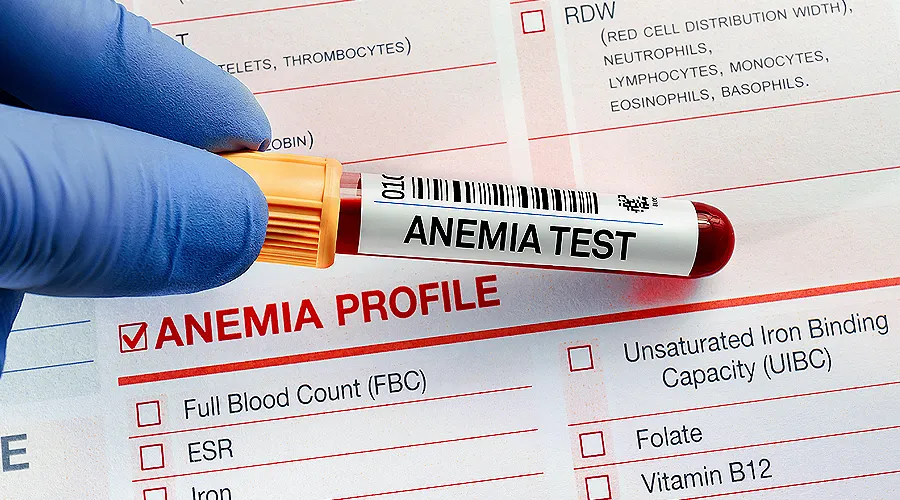
Here’s a deeper look into the CBC and additional tests that provide a comprehensive view of anemia:
1. Complete Blood Count (CBC)
- This test provides the initial snapshot of blood health, highlighting any major discrepancies in red blood cell production or lifespan.
- The Complete Blood Count (CBC) is the primary diagnostic tool used to detect anemia.
- It provides a comprehensive overview of the hemoglobin levels in your body, which is crucial for diagnosing different types of anemia.
Key Components of CBC
- Red Blood Cell Count (RBC): This measures the number of red blood cells in your blood. A low RBC count is a primary indicator of anemia.
- Hemoglobin Levels: Hemoglobin is the protein in red blood cells that carries oxygen. Low levels typically point to anemia, reflecting insufficient oxygen transport to body tissues.
- Hematocrit: This measures the percentage of blood volume made up by red blood cells. A low hematocrit ratio further supports the diagnosis of anemia.
2. Iron Tests
- These iron deficiency anemia blood tests are often done together to give a comprehensive picture of a person’s iron status and help distinguish between different types of anemia.
- They can also monitor the effectiveness of treatments like iron supplementation or help evaluate the potential need for further investigative procedures if iron overload is suspected.
- Since iron deficiency is a common cause of anemia, particularly iron-deficiency anemia, several iron-related tests are conducted.
3. Serum Iron Test
- This test measures the amount of iron in your blood. Iron is vital for producing hemoglobin, the molecule in red blood cells that carries oxygen.
- Low levels typically indicate iron-deficiency anemia, which can be caused by inadequate dietary intake, increased needs during pregnancy, or chronic blood loss.
4. Transferrin Test
- Transferrin is a protein that binds iron in the blood and transports it to where it’s needed, mainly to the bone marrow for red blood cell production.
- This test helps assess the body’s ability to transport iron.
- Low transferrin levels can be seen in chronic diseases, whereas high levels generally indicate iron deficiency.
5. Total Iron-Binding Capacity (TIBC)
- TIBC measures how well transferrin can carry iron in the blood. It’s typically elevated in iron deficiency anemia because the body produces more transferrin to maximize iron transport when iron levels are low.
- Conversely, low TIBC can indicate conditions where there is too much iron in the body, such as hemochromatosis.
6. Ferritin Blood Test
- Ferritin is the primary form of stored iron in the body, so this test is crucial for understanding how much iron is available for use.
- Low ferritin levels are one of the first signs of iron deficiency anemia, while high levels can occur in conditions causing inflammation or chronic disease.
7. Vitamin B12 and Folate Tests
- Vitamin B12 and folate are crucial for the production of healthy red blood cells, and deficiencies in these vitamins can lead to a specific type of anemia known as megaloblastic anemia, characterized by larger than normal red blood cells.
- These tests are vital because deficiencies in vitamin B12 or folate can lead to severe complications, including permanent neurological damage and during pregnancy, fetal neural tube defects.
8. Vitamin B12 Testing
- Serum B12 Test: This standard test measures the concentration of vitamin B12 in the blood. Low levels might indicate a deficiency, which can lead to neurological symptoms and anemia.
- Methylmalonic Acid (MMA) Test: Elevated MMA levels can be a more sensitive marker of vitamin B12 deficiency than the serum B12 test alone.
9. Folate Testing
- Serum Folate Test: This test measures folate levels in the blood. Low serum folate can indicate a deficiency, though levels can fluctuate based on recent dietary intake.
- Red Blood Cell Folate Test: Provides a more accurate measure of long-term folate status than serum folate levels.
10. Reticulocyte Count in Anemia Diagnosis
- The reticulocyte count is an essential blood test that measures the number of young, slightly immature red blood cells (reticulocytes) in the blood.
- This test is pivotal for evaluating bone marrow function and the body’s ability to produce red blood cells efficiently.
- The primary use of the reticulocyte count is to assess bone marrow function and to determine the response of the marrow to various conditions affecting red blood cells.
11. Peripheral Blood Smear
- A peripheral blood smear is a vital diagnostic test that involves examining a drop of blood under a microscope to analyze the characteristics of blood cells.
- This test is crucial for diagnosing various types of anemia and other blood disorders.
-
The test is primarily used to observe the size, shape, and color of red blood cells (RBCs), which can indicate specific types of anemia.

Conclusion
Anemia is more than just a feeling of fatigue; it’s a significant health issue that can deeply impact your life.
Recognizing the type of anemia—whether it’s from iron deficiency, vitamin deficiencies, or genetic conditions like sickle cell anemia—is crucial for effective treatment.
Diagnosing anemia accurately through tests such as Complete Blood Counts and peripheral blood smears is essential for determining the appropriate treatment strategy.
If you suspect you have anemia, seeking timely medical advice is important to manage the condition effectively and maintain a healthy lifestyle.