
Loss—whether through miscarriage or abortion—is an incredibly personal and often painful experience. Amid the emotional toll, the physical effects on the body are sometimes overlooked.
One of the most common but least talked-about consequences is anemia.
Anemia, miscarriages, and abortions are intricately connected aspects of women’s health, each influencing the outcomes of the others in significant ways.
Anemia, a condition characterized by a deficiency in the number or quality of red blood cells, is particularly common in women of reproductive age. This deficiency can impair the delivery of oxygen to tissues, an essential factor for both maternal and fetal health.
Understanding the role of anemia in pregnancy is crucial due to its potential impact on both the mother and the developing fetus.
Anemia has been linked to a higher risk of adverse pregnancy outcomes, including miscarriages and complications during abortions.
Miscarriages, or the spontaneous loss of a pregnancy before the 20th week, can be exacerbated by the mother’s weakened health state due to anemia.
Similarly, the physical strain of undergoing an abortion can be more hazardous in anemic women, increasing the risk of severe bleeding and other complications. In this blog we will delve more into this topic.
How anemia affects pregnancy
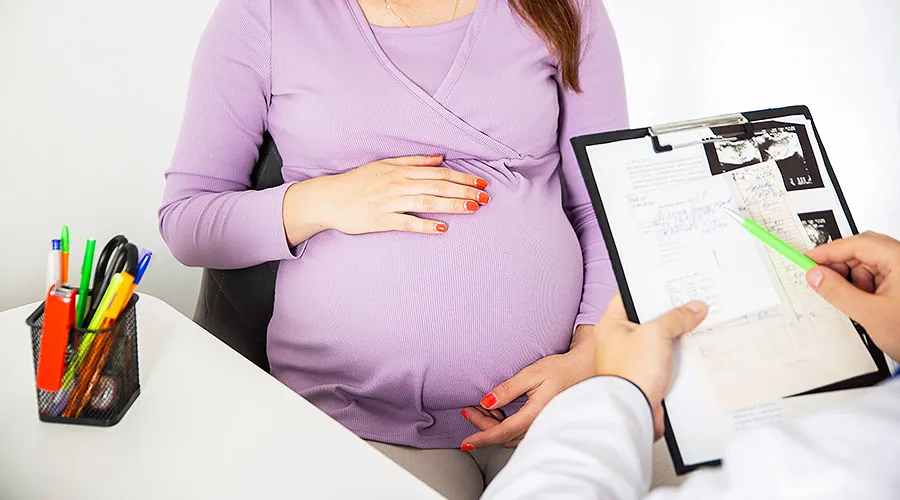
Anemia during pregnancy is a significant concern due to its impact on both maternal and fetal health.
Iron deficiency, the most common type of anemia, can seriously affect pregnancy outcomes. Here’s an exploration of the potential risks associated with anemia during pregnancy:
Impact on pregnancy health
- Anemia in pregnant women, particularly iron deficiency anemia, is linked to a variety of adverse outcomes.
- The condition can lead to fatigue, weakness, and more severe symptoms such as a rapid heartbeat and low blood pressure, which can complicate the duration of the pregnancy.
- Proper diagnosis and management are crucial, as the anemia symptoms often overlap with typical pregnancy symptoms, such as fatigue and lightheadedness.
Potential risks associated with anemia during pregnancy
- Premature Birth: Women with anemia have a higher risk of premature birth, defined as delivery before 37 weeks of gestation. Studies have shown that anemic women are more likely to give birth prematurely, which can lead to numerous neonatal complications.
- Low Birth Weight: Anemia is associated with a higher incidence of low birth weight (babies weighing less than 2500 grams). The severity of anemia in the mother correlates with the likelihood of low birth weight, which can affect the infant’s health and development post-birth.
- Small for Gestational Age (SGA): There is also a noted correlation between maternal anemia and the risk of having babies who are small for their gestational age, which can lead to various health issues in newborns.
The interplay between iron deficiency and pregnancy outcomes underscores the need for careful management and prevention strategies.
Preventative measures include adequate intake of iron either through diet or supplementation, especially in populations at higher risk of iron deficiency.
Health care providers might recommend prenatal vitamins that contain iron and, in some cases, additional iron supplements to mitigate the risks associated with anemia.
Miscarriages and anemia
Miscarriage, also known as spontaneous abortion, is the loss of a pregnancy before the fetus is viable, typically before 20 weeks of gestation.
The causes of miscarriage can be numerous and varied, including genetic abnormalities in the fetus, maternal health issues, structural problems in the uterus, and infections.
Lifestyle factors like smoking, excessive caffeine and alcohol intake, and certain medications can also increase the risk.
Moreover, underlying health conditions such as thyroid disorders, diabetes, and hormonal imbalances are known contributors.
Additionally, maternal age is a significant factor; the risk of miscarriage increases with age, particularly after age 35.
How anemia might influence the risk of miscarriage
- Anemia, particularly iron deficiency anemia, is common in pregnancy and can significantly impact maternal and fetal health.
- Iron is crucial for the production of hemoglobin, the protein in red blood cells that carries oxygen throughout the body.
- During pregnancy, a woman’s blood volume increases, and with it, her need for iron. Without adequate iron, the risk of developing anemia is high.
Iron deficiency anemia in pregnancy has been associated with several adverse outcomes including preterm delivery, low birth weight, and even fetal death in utero.
- While anemia itself does not directly cause miscarriage, severe cases can lead to complications that might increase the risk. For instance, anemia can compromise a mother’s health, leading to decreased oxygen delivery to the fetus and reduced tolerance to blood loss during and after pregnancy.
- This can exacerbate conditions that lead to miscarriage or complications during childbirth.
It’s recommended for women who are planning to become pregnant or who are pregnant to monitor their iron levels closely.
Treatment for iron deficiency is relatively straightforward and involves iron supplementation to ensure both mother and baby have sufficient iron levels throughout the pregnancy.
This not only helps in maintaining maternal health but also in reducing the risk of complications that could lead to miscarriage.

Abortions and anemia
Abortions can be categorized into two main types: medical and surgical. Both types can be safely performed even if the individual has anemia.
However, it’s crucial for medical providers to be informed of any pre-existing anemia to tailor the care appropriately and mitigate risks.
How pre-existing anemia can complicate the abortion process
Having anemia does not prevent a person from undergoing an abortion, but it does require special consideration.
Anemia can affect the body’s ability to recover from medical procedures, including abortions. Individuals with anemia may need specific instructions or precautions during the abortion process to ensure their safety and health.
It’s essential for individuals to discuss their anemia and overall health history with their healthcare provider to receive the best care and guidance.
The effect of post-abortion anemia and recovery tips
After an abortion, it’s normal to experience some bleeding and cramping, which can last from a few days to a few weeks.
This can be more pronounced in individuals with anemia, potentially leading to exacerbated fatigue or further reduction in iron levels.
Managing post-abortion anemia involves ensuring adequate iron intake, either through diet or supplements, and monitoring for symptoms such as prolonged fatigue, weakness, or excessive bleeding.
Proper care after an abortion is crucial to prevent complications such as infection, which could worsen anemia.
Recommendations typically include avoiding strenuous activities for a few days, not using tampons for at least one week to prevent infection and monitoring any unusual symptoms like severe cramps or heavy bleeding. In the case of increased or prolonged symptoms, contacting a healthcare provider is advised.
Recovery tips
- Rest: Taking it easy for a couple of days post-procedure can help manage bleeding and cramping.
- Pain Management: Over-the-counter medications like ibuprofen or Tylenol can be used to manage pain and cramping, under the guidance of a healthcare provider.
- Nutrition: Eating a balanced diet rich in iron and vitamins can help speed up recovery and replenish iron stores to combat anemia.
- Follow-up Care: While a follow-up exam might not be routinely necessary, it’s advisable for individuals with complications or ongoing symptoms to see their healthcare provider.
Prevalence of miscarriages and abortions
Understanding the prevalence of miscarriages and abortions globally, and specifically in regions like Southeast Asia and Africa, provides crucial context for addressing women’s reproductive health challenges.
Approximately 15% of pregnancies worldwide end in miscarriage, equating to about 23 million pregnancies lost annually.
In 2021, the Centers for Disease Control and Prevention (CDC) reported 625,978 legal induced abortions in the United States, with an abortion rate of 11.6 per 1,000 women aged 15–44 years.
In Southeast Asia, countries like Cambodia and Vietnam have observed high incidences of spontaneous abortions and abortions, respectively, highlighting ongoing reproductive health challenges despite medical advancements.
In Africa, nations such as Uganda and Tanzania face substantial reproductive health challenges, with notable prevalence of miscarriages and abortions, stressing the importance of enhanced health services.
Prevention and management of anemia

1. Dietary intake of iron-rich foods
- Before and During Pregnancy: Incorporate iron-rich foods into your diet such as leafy greens, fortified cereals, beans, lentils, and lean meats. Vitamin C can enhance iron absorption, so include citrus fruits, tomatoes, and bell peppers in your meals.
- After Pregnancy: Continue with an iron-rich diet, especially if breastfeeding, as iron demands remain high.
2. Regular screening
- Have your iron levels checked as part of prenatal visits and continue monitoring them after pregnancy to catch and address any deficiencies early.
3. Iron supplements
- If dietary iron is insufficient, supplements might be necessary. Always consult with a healthcare provider before starting any supplement, especially during pregnancy.
4. Moderate physical activity
- Engage in regular, moderate exercise to enhance overall health. However, consult with a healthcare provider to tailor a workout plan suitable for your pregnancy stage.
Conclusion
Healing after a miscarriage or abortion is more than just emotional; it’s also about nurturing your body back to health.
Understanding the intricate relationship between anemia, miscarriages, and abortions is essential for managing reproductive health. Anemia, if left unchecked, can prolong recovery, making fatigue, dizziness, and weakness an ongoing struggle.
Regular health screenings, appropriate iron supplementation, and informed medical care can mitigate risks and promote healthier pregnancy outcomes.
Pregnant women and those planning pregnancy should prioritize anemia management as part of their healthcare routine to safeguard against potential complications and ensure both maternal and fetal well-being.