Ever feel tired, dizzy, or just not yourself?
It might not just be a busy schedule—it could be low iron or hemoglobin (HB) levels. Iron plays a crucial role in keeping your body energized, carrying oxygen to your organs, and supporting overall health.
Yet, many people don’t realize they have low iron until symptoms start affecting their daily lives.
That’s why regular checks are so important! By keeping track of your iron and HB levels, you can catch deficiencies early, make the right dietary changes, and feel your best every day.
Iron and hemoglobin are fundamental to women’s health, playing pivotal roles in maintaining energy, supporting cellular function, and ensuring overall vitality.
Iron is essential for producing red blood cells and facilitating oxygen transport to tissues, while hemoglobin, the oxygen-carrying protein in blood, relies on adequate iron levels to function effectively.
Women, particularly during their reproductive years, are at increased risk of iron deficiency due to factors such as menstruation, pregnancy, and breastfeeding, which elevate iron requirements.
When iron or hemoglobin levels drop too low, symptoms like fatigue, weakness, and, in severe cases, organ damage can occur.
This blog will delve into the importance of regular iron and hemoglobin monitoring for women, identify signs and symptoms of abnormal levels, and highlight those most at risk.
What are iron, hemoglobin and ferritin levels?
Iron is a crucial mineral integral to various bodily functions, most notably in the production of hemoglobin—a protein in red blood cells responsible for oxygen transport.
Approximately 70% of the body’s iron is found in hemoglobin and muscle cells called myoglobin.
Iron’s role in hemoglobin production
- Hemoglobin is composed of four protein subunits, each containing a heme group with an iron atom at its center.
- This iron atom binds oxygen in the lungs, facilitating its transport to tissues throughout the body.
- Adequate iron levels are essential for synthesizing sufficient hemoglobin, ensuring efficient oxygen delivery to cells.
Hemoglobin levels and oxygen-carrying capacity
- Hemoglobin levels are a direct indicator of the blood’s capacity to carry oxygen.
- Normal hemoglobin levels vary by age and sex but generally range from 13.8 to 17.2 grams per deciliter (g/dL) for men and 12.1 to 15.1 g/dL for women.
- Low hemoglobin levels can lead to anemia, resulting in fatigue and other health issues.
Ferritin: The iron storage protein
- Ferritin is a protein that stores iron and releases it when needed, serving as an indicator of the body’s iron reserves.
- Measuring ferritin levels provides insight into the total amount of iron stored in the body.
- Normal ferritin levels vary between laboratories but typically range between 40 and 300 nanograms per milliliter (ng/mL) for males and 20–200 ng/mL for females.
Monitoring Hemoglobin and Ferritin Levels
- Regular monitoring of both hemoglobin and ferritin levels is essential for assessing iron status and preventing conditions like anemia.
- While hemoglobin tests measure the oxygen-carrying capacity of the blood, ferritin tests assess the body’s iron storage, providing a comprehensive view of iron health.
Signs and symptoms of abnormal iron/hemoglobin levels
Imbalances in iron and hemoglobin levels can lead to noticeable symptoms:
- Low Iron/Hemoglobin (Iron Deficiency Anemia):
- Fatigue and weakness
- Dizziness or lightheadedness
- Pale skin
- Shortness of breath
- Headaches
- Cold hands and feet
- Brittle nails
- Unusual cravings for non-food items (pica)
- High Iron Levels (Hemochromatosis):
- Joint pain
- Abdominal pain
- Fatigue
- Weakness
- Diabetes
- Loss of sex drive
- Heart problems
- Skin discoloration (bronze or gray tone)
Why is it important to check iron/hemoglobin levels regularly?
Regular monitoring of iron and hemoglobin levels is essential for women, especially during their reproductive years, due to several key factors:
1. Increased risk during reproductive years
- Women of childbearing age are particularly susceptible to iron deficiency and anemia.
- Menstrual blood loss, pregnancy, and breastfeeding significantly elevate iron requirements. Without adequate intake, these increased demands can deplete iron stores, leading to anemia. The Office on Women’s Health highlights that iron deficiency anemia is more prevalent among women, especially during pregnancy.
2. Overlooking symptoms of anemia
- Symptoms of anemia, such as fatigue, weakness, and pale skin, are often subtle and can be mistaken for general tiredness or stress.
- This misattribution leads many women to ignore these signs, delaying diagnosis and treatment.
- A recent article in The Atlantic emphasizes that millions of women suffer from iron deficiency, a condition frequently undiagnosed due to a lack of routine screening and the tendency to overlook symptoms.
3. Health implications of undiagnosed anemia
- If left untreated, anemia can result in serious health issues, including complications during pregnancy, impaired cognitive function, and decreased immunity.
- Regular testing enables early detection and intervention, preventing these adverse outcomes.
- The Mayo Clinic notes that iron deficiency anemia can lead to complications such as premature births and low birth weight in infants.
4. Empowering women through awareness
- Routine checks promote awareness of one’s health status, encouraging proactive management of iron levels through diet, supplements, or medical treatment.
- This empowerment is vital for maintaining overall well-being and preventing the progression of anemia.
Who should pay extra attention to iron/hemoglobin levels?
Certain groups of women are at higher risk of iron imbalances and should monitor their levels more closely:
1. Women with heavy menstrual bleeding
- Heavy menstrual periods can lead to significant blood loss, depleting iron stores and increasing the risk of anemia.
- It’s crucial for women experiencing heavy menstruation to regularly check their iron and hemoglobin levels to prevent deficiency.
2. Pregnant and breastfeeding women
- Pregnancy and breastfeeding elevate iron requirements to support fetal development and milk production.
- Without adequate iron intake, women may develop anemia, affecting both their health and that of their child.
- Regular monitoring helps ensure sufficient iron levels during these critical periods.
3. Women with chronic health conditions
- Conditions such as celiac disease, inflammatory bowel disease, or chronic kidney disease can impair iron absorption and utilization, leading to deficiencies.
- Women with these conditions should be vigilant about their iron status and consult healthcare providers for appropriate management.
4. Women following vegetarian or vegan diets
- Plant-based diets may provide non-heme iron, which is less readily absorbed by the body compared to heme iron from animal sources.
- Women adhering to vegetarian or vegan diets should monitor their iron levels and consider dietary adjustments or supplements to meet their needs.
5. Female athletes
- Intense physical activity can increase iron loss through sweat and gastrointestinal bleeding, especially in endurance sports.
- Female athletes should pay attention to their iron status to maintain optimal performance and health.
How often should you check your iron/hemoglobin levels?
The frequency of testing depends on individual risk factors:
- General population: An annual check-up is typically sufficient.
- High-risk groups: Women with risk factors such as chronic diseases, heavy menstrual bleeding, or those on restrictive diets may require more frequent testing, as advised by a healthcare provider.
How to check your iron/hemoglobin levels?
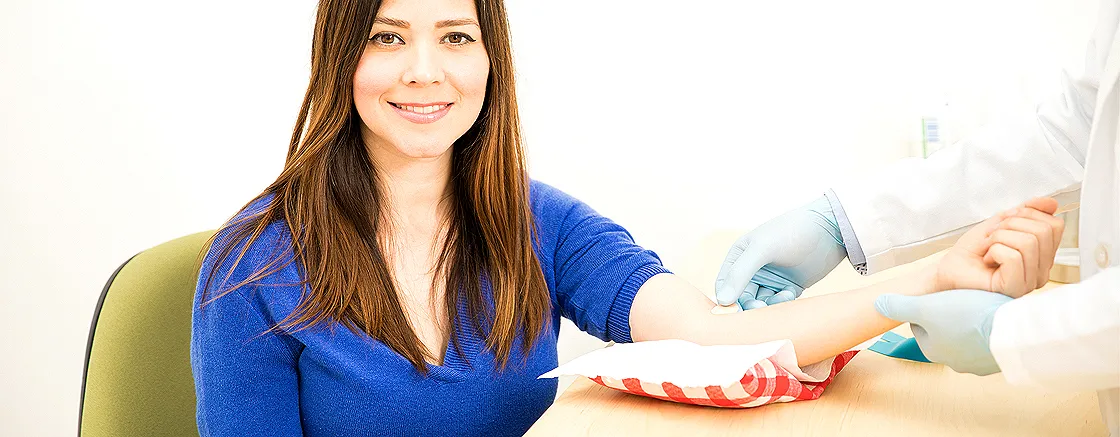
Healthcare providers can assess iron and hemoglobin levels through blood tests:
- Complete Blood Count (CBC): Measures overall blood health, including hemoglobin levels.
- Serum Ferritin Test: Assesses stored iron in the body.
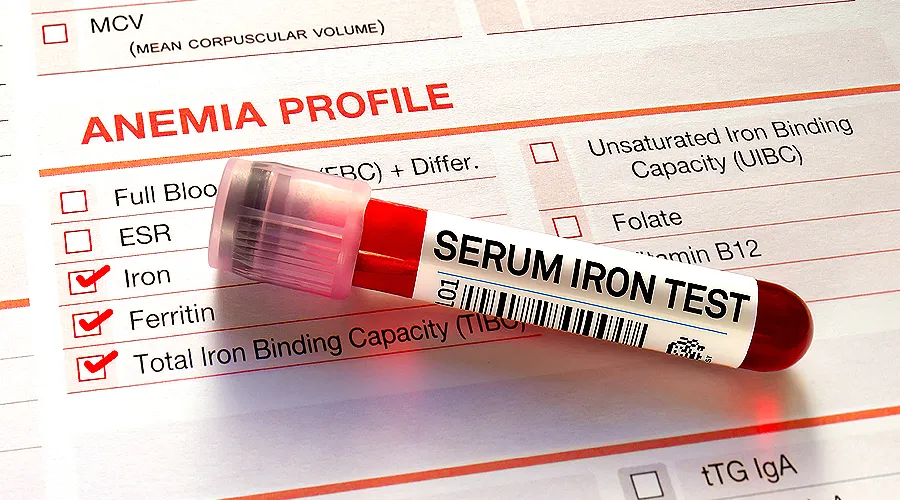
- Serum Iron Test: Measures the amount of circulating iron bound to transferrin in the blood.
Tips to maintain healthy iron and hemoglobin levels
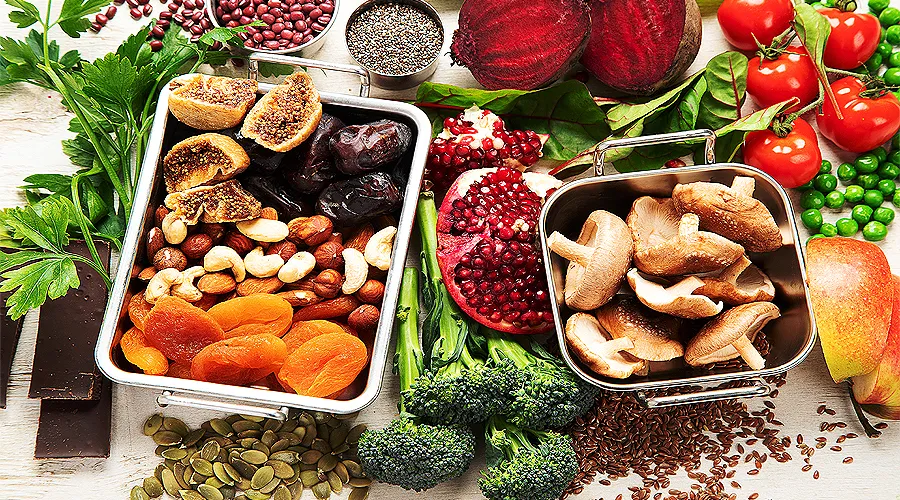
Maintaining optimal iron and hemoglobin levels is essential for overall health.
Here are some strategies to help you achieve and maintain healthy iron and hemoglobin levels:
1. Incorporate iron-rich plant foods into your diet
Plant-based sources of iron, known as non-heme iron, are abundant and can effectively meet your daily requirements when consumed thoughtfully.
Consider including the following iron-rich foods in your meals:
- Legumes: Beans, lentils, chickpeas, and soybeans are excellent sources of iron. For instance, a cup of cooked lentils provides about 6.6 mg of iron.
- Dark Leafy Greens: Spinach, kale, and Swiss chard are rich in iron. Cooking these greens can enhance iron absorption.
- Nuts and Seeds: Pumpkin seeds, sesame seeds, hemp seeds, and cashews offer significant amounts of iron. For example, a half-cup of pumpkin seeds contains approximately 5.2 mg of iron.
- Whole Grains: Quinoa, brown rice, and fortified cereals can contribute to your iron intake. A cup of cooked quinoa provides about 2.8 mg of iron.
- Tofu and Tempeh: Soy-based products like tofu and tempeh are not only high in protein but also good sources of iron. Half a cup of firm tofu contains approximately 3.4 mg of iron.
2. Enhance iron absorption with Vitamin C
Vitamin C significantly boosts the absorption of iron. Pairing iron-rich foods with vitamin C-rich foods can enhance iron uptake. Consider these combinations:
- Citrus Fruits: Add oranges, lemons, or grapefruits to your meals.
- Berries: Include strawberries, blueberries, or raspberries in your diet.
- Bell Peppers: Incorporate red or green bell peppers into salads or stir-fries.
- Tomatoes: Use fresh tomatoes or tomato-based sauces in your dishes.
3. Be mindful of iron absorption inhibitors
Certain substances can hinder iron absorption. To maximize iron uptake:
- Limit consumption of tannins: Tannins, found in tea and coffee, can reduce iron absorption. It’s advisable to avoid consuming these beverages with iron-rich meals.
- Monitor calcium intake: High calcium levels can interfere with iron absorption. Try to consume calcium-rich foods or supplements separately from iron-rich meals.
4. Utilize cooking techniques to boost iron intake
- Use Cast Iron Cookware: Cooking with cast iron pans can increase the iron content of your food, especially when preparing acidic foods like tomato sauce.
- Soak and Sprout Legumes and Grains: Soaking and sprouting can reduce phytate levels in legumes and grains, which can enhance iron absorption.
Conclusion
Regular monitoring of iron and hemoglobin levels is essential for maintaining optimal health.
By staying vigilant and adopting healthy dietary and lifestyle habits, you can prevent complications associated with iron imbalances and ensure your body functions at its best.
Whether you’re striving to keep up with daily demands or simply want to invest in long-term health, taking charge of your iron and hemoglobin levels will support you in living a healthier, more energized life.