Iron is a vital nutrient that keeps our energy levels up and supports many of our body’s essential functions.
But did you know that the amount of iron you need each day can vary depending on your age, gender, and even your health status?
Iron plays a crucial role in our body, mainly because it helps make hemoglobin—the stuff in our red blood cells that carries oxygen around our bodies.
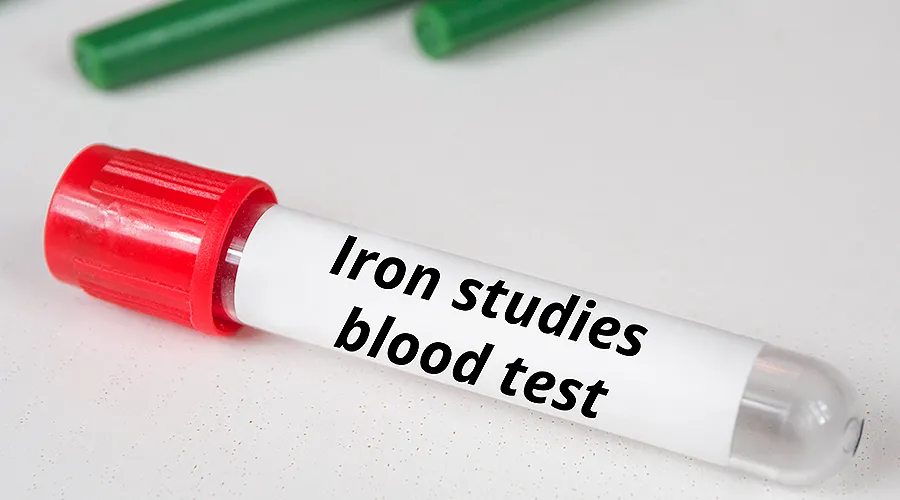
Not getting enough iron can leave you feeling wiped out, looking pale, and generally under the weather, a state often due to iron deficiency anemia. It’s the world’s most common nutritional deficiency and it’s entirely preventable.
This condition affects many, especially women of childbearing age and growing kids. That’s why understanding your iron needs is essential.
This blog is your go-to resource for understanding how much iron you need at various life stages, focusing exclusively on plant-based sources to keep your iron levels optimal.
Iron needs across different life stages
| Age | Male | Female | Pregnancy |
| Birth to 6 Months | 0.27 mg/day | 0.27 mg/day | |
| 7-12 months | 11 mg/day | 11 mg/day | |
| 1-3 years | 7 mg/day | 7 mg/day | |
| 4-8 years | 10 mg/day | 10 mg/day | |
| 9-13 years | 8 mg/day | 8 mg/day | |
| 14-18 years | 11 mg/day | 15 mg/day | 27 mg/day |
| 19-50 years | 8 mg/day | 18 mg/day | 27 mg/day |
| 51+ years | 8 mg/day | 8 mg/day |
Infants and children
Iron is an essential nutrient at every stage of life, but the needs vary significantly as a child grows.
Here’s a deeper look at how iron requirements change from infancy through early childhood:
- Birth to 6 months: Babies are born with a reserve of iron, which they accumulate during the third trimester of pregnancy. This stored iron, along with what they receive from breast milk or formula, typically meets their needs during the first few months. The recommended daily intake for this age group is minimal, around 0.27 mg/day. This low requirement reflects their reliance on prenatal iron stores rather than dietary iron.
- 7 months to 1 year: As babies transition to solid foods, their iron requirements increase sharply to about 11 mg/day. This is because their prenatal iron stores start to deplete around this age. Iron is critical at this stage for supporting rapid growth and development, particularly for brain development..
- Children 1-3 years: During the toddler years, children need about 7 mg/day of iron. This period is characterized by intense growth and activity, requiring adequate iron to support ongoing development, including brain maturation and muscle growth. Iron also plays a role in the proper functioning of the immune system, which is crucial as toddlers begin to explore more and are exposed to new environments..
Adolescents: Iron requirements for growth and development
During adolescence, the body undergoes significant physical, cognitive, and emotional changes, which increase the demand for many nutrients, including iron.
Here’s a breakdown of the iron needs during these critical years:
- Children 4-8 years: The iron requirement for both boys and girls in this age group is set at 10 mg/day. This stage marks a continuation of childhood growth and the preparation for the pre-pubertal growth spurt. Adequate iron is essential to support this steady growth and the increase in muscle mass.
- Boys and Girls 9-13 years: As children enter their preteen years, the recommended daily iron intake slightly decreases to 8 mg/day. During this period, children continue to grow, although the rate might slow down just before puberty begins. Keeping up with iron intake is vital for maintaining energy levels and supporting healthy cognitive and physical development.
- Teen Boys 14-18 years: Teen boys need about 11 mg/day of iron. The teenage years are marked by rapid growth spurts, increased muscle mass, and a deepening of the voice, all requiring adequate iron to support the expansion of blood volume and muscle growth.
- Teen Girls 14-18 years: Teen girls require more iron—about 15 mg/day. This increase is partly due to the onset of menstruation, during which iron is lost through menstrual blood. This stage is crucial for supporting not just growth spurts but also iron replenishment during the menstrual cycle, which can help prevent iron deficiency anemia.
Adults: Navigating iron requirements through different phases
As adults move through different stages of life, their iron needs can vary based on gender, age, and health status. Here’s a detailed look at the recommended iron intakes:
- Men 19-50 years: Adult men require about 8 mg/day of iron. This amount is generally sufficient to maintain adequate iron stores as men typically do not experience the same regular iron losses as women. This consistent daily requirement reflects the need to support normal cellular function, red blood cell production, and to offset any daily losses of iron through sweat, skin cells, and other natural processes.
- Women 19-50 years: Adult women need more iron—18 mg/day. This increased need primarily addresses the iron loss through menstruation. Women in their reproductive years can lose a significant amount of iron each month during their menstrual periods, and the higher intake helps to replenish these losses and prevent iron deficiency anemia, which can be quite common due to insufficient iron.
- Adults over 50: Once men and women reach the age of 50, the daily recommended iron intake decreases to 8 mg/day for both genders. This adjustment reflects the general decrease in iron requirements as people age and, for women, typically coincides with the cessation of menstruation at menopause, which eliminates the iron losses experienced through menstrual bleeding.
Daily strategies to meet iron requirements
Meeting your daily iron requirements doesn’t have to be complicated, especially if you’re aware of what foods to include in your diet and how to enhance iron absorption.
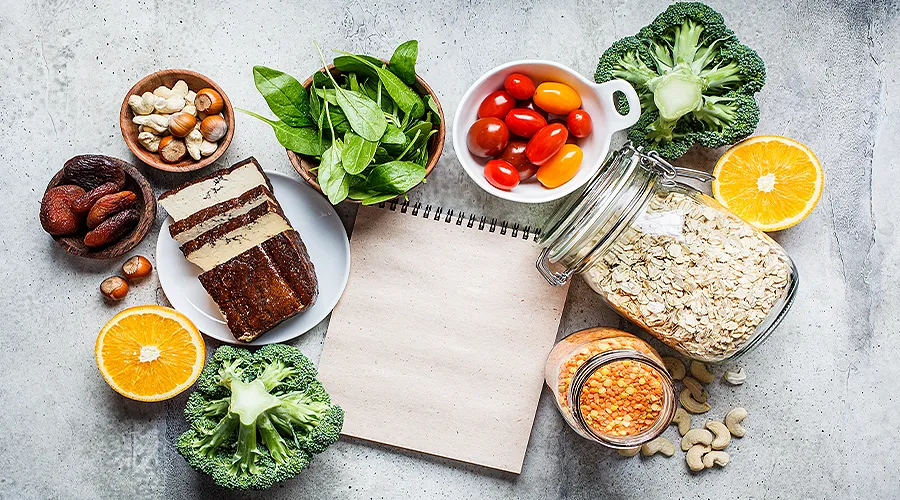
Here are some practical tips to help ensure you’re getting enough iron from your diet:
1. Focus on iron-rich plant-based foods
- Lentils and beans: These are not only rich in iron but also in protein and fiber, making them excellent staples for any meal. A cup of cooked lentils provides about 6.6 mg of iron.
- Spinach: This leafy green is a well-known source of iron. Cooking spinach helps reduce its volume, making it easier to consume more in a sitting, thereby increasing your iron intake.
- Fortified cereals: Many breakfast cereals are fortified with iron. Check the nutrition label to see how much iron each serving contains, as this can significantly help meet your daily requirements.
2. Enhance iron absorption
- Vitamin C-Rich Foods: Consuming vitamin C-rich foods like oranges, strawberries, kiwis, tomatoes, and bell peppers along with iron rich foods can enhance non-heme iron absorption (the form of iron in plant-based foods).
- Avoiding Iron Blockers: Try to avoid or minimize tea, coffee, and dairy close to meals that contain iron-rich foods, as certain compounds in these can inhibit iron absorption.
3. Consider iron supplements
- Who needs them: Supplements can be beneficial for individuals who are at high risk of iron deficiency, such as pregnant women, people with dietary restrictions (like vegans), and those who have been diagnosed with iron deficiency anemia.
- Consult Healthcare Providers: Before starting any supplements, it’s crucial to consult with a healthcare provider to discuss the appropriate type, dosage, and potential interactions with other medications.
4. Cooking methods
- Cooking with cast iron: Using cast iron pots and pans can increase the iron content of your food. Acidic foods, like tomato sauce, cooked in cast iron cookware absorb more iron due to their acidity.
Conclusion
Understanding your iron needs is vital for maintaining energy, cognitive function, and overall well-being.
Iron deficiency can impact daily life by causing fatigue, reduced immunity, and impaired concentration, underscoring the importance of meeting daily requirements. By incorporating iron rich plan-based foods and absorption-enhancing strategies into your diet, you can support your body’s needs effectively.
Additionally, being mindful of dietary inhibitors and adopting cooking methods that boost iron content can further help. For those at higher risk of deficiency, such as pregnant women and individuals with specific dietary restrictions, consulting with a healthcare provider is essential to determine if supplements or tailored interventions are needed.
By prioritizing these strategies, you can promote long-term health and prevent complications related to iron deficiency.