
Every woman dreams of a smooth, healthy pregnancy — of watching her body nurture and grow new life. But the truth is, miscarriages happen — far more often than we talk about.
And while not every loss can be prevented, nourishing your body with the right foods can play a powerful role in creating a safer, healthier environment for your baby.
Your body is the very first home your child will ever know. What you eat, how you fuel yourself, and the nutrients you provide can be the difference between strength and struggle.
Yet, so many women are unaware of the deep connection between nutrition and pregnancy loss. Pregnancy is a time when a mother’s body requires extra care, nourishment, and support to sustain her health and ensure the optimal growth of her baby.
Proper nutrition plays a crucial role not only in supporting maternal well-being but also in preventing complications that could put the pregnancy at risk.
Among these potential complications, anemia and iron deficiency stand out as significant concerns. Iron deficiency anemia, in particular, can lead to extreme fatigue, reduced immunity, and, most importantly, an elevated risk of miscarriage.
A well-balanced diet rich in iron and other essential nutrients is a powerful tool in preventing such risks.
Through informed food choices and mindful nutrient combinations, expecting mothers can boost iron levels, enhance nutrient absorption, and avoid pitfalls that interfere with iron uptake.
This blog provides an in-depth look into nutritional care strategies to reduce miscarriage risk, highlighting the importance of key nutrients and plant-based, iron-rich foods that support a healthier, safer pregnancy journey.
Key nutritional elements to prevent anemia in pregnancy
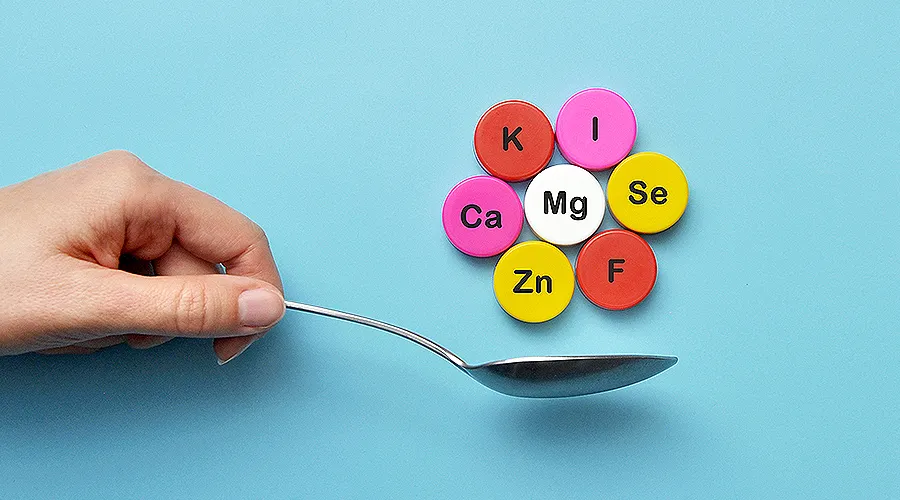
For a healthy pregnancy and to minimize miscarriage risks, here’s a comprehensive look at the most crucial nutrients:
1. Iron
- Role in pregnancy: Iron is essential for producing hemoglobin, the protein in red blood cells responsible for carrying oxygen. Iron needs increase during pregnancy to support the baby’s growth and to prevent anemia in the mother.
- Plant-based sources: Dark leafy greens (spinach, kale), legumes (beans, lentils), quinoa, tofu, and iron-fortified grains.
- Tips for maximizing absorption: Pair iron sources with foods high in Vitamin C, such as bell peppers, tomatoes, or citrus fruits, to enhance absorption. Cooking acidic foods (like tomatoes) in cast iron cookware can also boost iron content in meals.
- Avoidance of inhibitors: Limit intake of coffee, tea, and high-calcium foods (like dairy) around iron-rich meals, as these can interfere with iron absorption.
2. Folic Acid
- Importance for red blood cell production: Folic acid aids in red blood cell formation, preventing types of anemia that can affect both mother and baby.
- Reducing birth defect risks: Adequate folic acid intake is linked to a reduced risk of neural tube defects in the fetus.
- Sources: Dark leafy greens (like spinach), fortified cereals, oranges, beans, and whole grains provide folic acid and are easy to incorporate into meals.
3. Vitamin C
- Enhances iron absorption: Vitamin C is a critical nutrient that helps absorb non-heme iron (plant-based iron) more efficiently, addressing iron deficiency directly.
- Strengthening immunity: Provides additional immune support during pregnancy, helping to prevent infections that could complicate pregnancy.
- Sources and tips: Citrus fruits, strawberries, kiwis, broccoli, and bell peppers are excellent sources. Try adding these as snacks or sides with iron-rich meals to maximize absorption.
4. B-Vitamins (Especially B6, B9, and B12)
- Vitamin B6: Essential for hemoglobin formation, Vitamin B6 also supports brain development and helps reduce pregnancy-related nausea.
- Vitamin B9 (Folic Acid): As previously mentioned, B9 plays a role in red blood cell formation and preventing anemia.
- Vitamin B12: Works in tandem with folic acid for red blood cell production and supports nervous system health.
- Sources: Fortified cereals and nutritional yeast are common sources of B12 in a plant-based diet. B6 can be found in foods like bananas, chickpeas, and potatoes.
5. Copper
- Iron mobilization and usage: Copper is essential for iron metabolism, enabling iron to be properly utilized in the body for hemoglobin production.
- Sources: Nuts (cashews, almonds), seeds (sunflower, sesame), whole grains, and dark leafy greens. Adding a variety of these to your diet can help support iron function.
6. Magnesium
- Supports Energy and Muscle Health: Magnesium contributes to energy production and assists enzymes involved in red blood cell creation. It’s also crucial for muscle function, which can ease cramps that are common in pregnancy.
- Sources: Pumpkin seeds, almonds, avocados, spinach, and bananas. Sprinkle seeds on salads or blend into smoothies for an easy boost.
7. Vitamin E
- Protection of Blood Cells: Vitamin E has antioxidant properties that protect red blood cells from oxidative stress, which is important for maintaining healthy blood cells during pregnancy.
- Sources: Nuts, seeds, and green leafy vegetables. Including a handful of almonds or sunflower seeds daily can contribute to vitamin E needs.
8. Vitamin A (Beta-Carotene)
- Red Blood Cell Differentiation: Beta-carotene (a precursor to Vitamin A) supports the production and differentiation of red blood cells, reducing anemia risk.
- Sources: Carrots, sweet potatoes, butternut squash, and dark leafy greens like collard greens. Incorporate these into meals to add variety while boosting nutrient intake.
9. Zinc
- Immune Support and Iron Function: Zinc plays a role in immune health and is essential for cell division and growth, which is particularly important during pregnancy.
- Sources: Whole grains, chickpeas, nuts, and seeds. Try adding whole-grain pasta or chickpea-based dishes to meals for an extra zinc boost.
10. Calcium
- Balanced Calcium and Iron Intake: While calcium is essential for bone health, it’s important to balance calcium and iron intake, as excessive calcium can hinder iron absorption. Calcium supports nerve, heart, and muscle health, all crucial for pregnancy.
- Sources: Fortified plant-based milks and dark leafy greens. Consuming calcium-rich foods separately from iron-rich meals helps optimize absorption for both minerals.
Iron rich foods to include in your diet
Iron is a key nutrient during pregnancy, essential for producing hemoglobin, which carries oxygen throughout the body.
In pregnancy, a growing baby requires increased oxygen, which raises the mother’s iron needs.
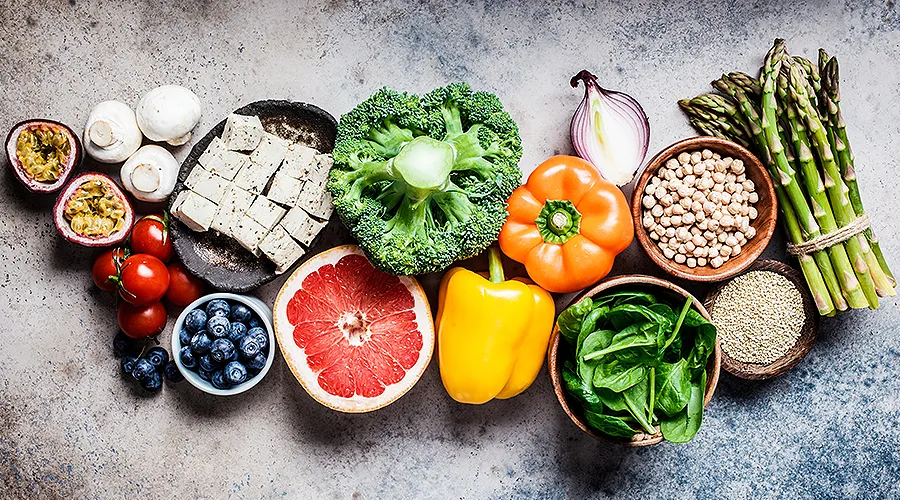
Adequate iron intake helps maintain sufficient red blood cell levels, reducing the risk of anemia-related complications like fatigue, dizziness, and, in severe cases, miscarriage.
Here’s a list of iron-rich, plant-based foods that are ideal for supporting pregnancy health:
1. Dark Leafy Greens
- Examples: Spinach, kale, Swiss chard, collard greens, and beet greens.
- Benefits: Dark leafy greens are rich in non-heme iron (plant-based iron) and provide other key nutrients like folic acid and Vitamin C, which aid iron absorption. These greens are versatile in meals and can be blended into smoothies, cooked as side dishes, or added to salads for an iron boost.
2. Legumes
- Examples: Lentils, chickpeas, black beans, kidney beans, and soybeans.
- Benefits: Legumes are one of the highest sources of iron in plant-based foods and also provide protein, fiber, and folic acid. Including legumes in soups, stews, or salads can help build iron stores, reducing anemia risk. The high fiber content also supports digestive health, which is essential during pregnancy.
3. Fortified Grains and Cereals
- Examples: Iron-fortified oats, fortified whole-grain cereals, quinoa, and amaranth.
- Benefits: Fortified grains and cereals are designed to provide higher levels of iron, making them excellent for meeting daily requirements. Quinoa and amaranth are also high in protein and other essential nutrients. For breakfast, try a fortified oatmeal topped with berries for a nutrient-packed, iron-rich meal.
4. Nuts and Seeds
- Examples: Pumpkin seeds, sunflower seeds, almonds, and sesame seeds.
- Benefits: Nuts and seeds are not only iron-rich but also packed with healthy fats, protein, and magnesium, all beneficial for pregnancy. Pumpkin seeds, in particular, are a great source of iron and can be added to salads, smoothies, or eaten as a snack. Try making seed-based spreads or adding a handful to yogurt for a quick boost.
5. Tofu and Tempeh
- Examples: Tofu and tempeh, which are soy-based foods.
- Benefits: Tofu and tempeh are high in iron and protein, making them valuable additions to a plant-based pregnancy diet. They also contain calcium, which is important for bone health. Tofu and tempeh are versatile and can be added to stir-fries, salads, or used as meat substitutes in various dishes.
6. Dried Fruits
- Examples: Dried apricots, raisins, figs, and prunes.
- Benefits: Dried fruits are convenient snacks and contain concentrated amounts of iron. They’re also high in natural sugars for energy, along with fiber to aid digestion. Dried apricots and raisins can be eaten on their own, added to cereals, or paired with nuts for a nutrient-dense snack.
7. Whole Grains
- Examples: Brown rice, whole wheat, barley, and millet.
- Benefits: Whole grains are moderate sources of iron and also provide complex carbohydrates, which help maintain stable energy levels. Whole grains can be incorporated into main meals as a base for vegetables and legumes, creating balanced, iron-rich dishes.
Conclusion
Nutritional care during pregnancy is not just a matter of meeting daily requirements—it’s about creating a foundation that supports both the mother’s and baby’s health in profound ways.
By incorporating iron-rich foods, managing calcium intake, and pairing nutrients that maximize iron absorption, expectant mothers can significantly reduce their risk of anemia and its associated complications like miscarriage.
The journey to a healthy pregnancy is enriched by a diet that embraces diversity, prioritizes plant-based iron sources, and acknowledges the synergy of vitamins and minerals essential for growth.