
If you’re a woman, chances are you’ve felt unusually tired, dizzy, or even struggled with frequent headaches at some point—only to brush it off as stress or a busy schedule.
But what if the real culprit is anemia?
Anemia isn’t just about feeling tired; it’s a common health condition where your blood lacks enough healthy red blood cells or hemoglobin.
It hits women harder and more frequently than men, affecting their daily lives, work, and overall well-being.
From menstrual cycles to pregnancy, women face unique biological challenges that increase their risk of developing anemia symptoms.
Understanding why this happens isn’t just a medical concern—it’s crucial for improving healthcare approaches and empowering women with the knowledge to manage their health proactively.
This blog will explore why anemia is such a prevalent issue among women.
Why are women more susceptible to anemia
Women are uniquely at risk of low hemoglobin levels due to several physiological and health-related factors.

Here’s why anemia disease is more common in women than men:
1. Menstrual blood loss
- Heavy menstrual bleeding, medically termed menorrhagia, is a prevalent condition among women of reproductive age.
- It is characterized by menstrual periods with excessive blood loss, often exceeding 80 milliliters per cycle, or lasting longer than seven days.
- This substantial blood loss can deplete the body’s iron reserves, leading to iron deficiency anemia.
Impact on iron levels
- Iron loss: Each menstrual cycle involves blood loss, and with heavy menstrual bleeding, the volume lost is significantly higher. Since iron is a crucial component of maintaining hemoglobin count in red blood cells, excessive bleeding results in substantial iron depletion.
- Anemia development: When the body’s iron stores are insufficient to compensate for the loss, it leads to low hemoglobin range. Symptoms may include fatigue, weakness, shortness of breath, and pallor.
Causes of heavy menstrual bleeding
- Hormonal imbalances: Disruptions in the balance of estrogen and progesterone can lead to excessive endometrial growth, resulting in heavier periods.
- Uterine fibroids: Noncancerous growths in the uterus can cause heavier or prolonged menstrual bleeding.
- Adenomyosis: This condition occurs when the endometrial tissue grows into the muscular wall of the uterus, leading to heavy bleeding and painful periods.
- Bleeding disorders: Conditions like von Willebrand disease can impair blood clotting, resulting in prolonged or excessive menstrual bleeding.
Management and treatment
- Medical evaluation: It’s essential for women experiencing heavy menstrual bleeding to consult a healthcare provider to determine the underlying cause and appropriate treatment.
- Iron supplementation: To counteract iron deficiency anemia treatment, healthcare providers may recommend iron supplements. It’s important to follow medical advice regarding dosage and duration to avoid potential side effects.
- Dietary adjustments: Incorporating iron-rich foods such as leafy green vegetables, and legumes can help replenish iron stores. Vitamin C enhances iron absorption, so consuming vitamin C-rich foods alongside iron-rich meals is beneficial.
- Hormonal therapies: Medications like oral contraceptives or hormonal IUDs can regulate menstrual cycles and reduce bleeding.
- Surgical interventions: In cases where medical treatments are ineffective, procedures such as endometrial ablation or hysterectomy may be considered.
2. Nutritional deficiencies
Beyond iron, deficiencies in other crucial nutrients like vitamin B12, folate, and vitamin C—which aid in iron absorption—also significantly contribute to anemia.
These deficiencies can arise from a variety of dietary patterns influenced by personal habits, socio-economic status, or lack of nutritional awareness.
- Vitamin B12 and Folate: Both are essential for the formation of red blood cells and for DNA synthesis. Vitamin B12 deficiency often results from poor dietary intake or from malabsorption issues, which can occur in conditions like pernicious anemia or as a result of gastrointestinal surgery. Folate deficiency, on the other hand, is more commonly linked to dietary insufficiency and is crucial during pregnancy to prevent developmental anomalies.
- Vitamin C: This vitamin plays a key role in enhancing iron absorption from the gut. Without adequate vitamin C, the iron present in plant-based foods is not effectively absorbed. This is particularly significant for those following vegetarian or vegan diets.
- Impact of Socio-economic Factors: Socio-economic status can significantly affect dietary choices due to the affordability and availability of nutritious foods. In lower-income or underserved communities, access to fresh produce and fortified foods may be limited, increasing the risk of these nutritional deficiencies.
- Cultural and Dietary Influences: Cultural dietary practices can also play a role in nutrient deficiencies. For instance, strict vegetarian diets, popular in certain cultures and personal choices, often lack adequate natural sources of vitamin B12 and iron.
3. Post-menopausal changes and risk
After menopause, women’s risk of developing anemia increases significantly due to several physiological and lifestyle factors.
The natural aging process and hormonal changes during menopause contribute to this heightened risk in various ways:
- Decreased nutrient intake: As women age, there may be a general decrease in dietary intake, including essential nutrients like iron, vitamin B12, and folate. This reduction is often due to changes in taste, dental issues, or decreased appetite, which commonly accompany aging.
- Reduced stomach acid production: Menopause and aging are associated with reduced stomach acid production, a condition known as atrophic gastritis. Lower levels of gastric acid can negatively affect the absorption of iron and vitamin B12 from the diet. Iron is crucial for producing hemoglobin, and vitamin B12 is vital for the formation of red blood cells and DNA synthesis.
- Increased risk of chronic conditions: Post-menopausal women are more susceptible to chronic conditions like chronic kidney disease or inflammatory bowel disease, which can lead to anemia of chronic disease. These conditions often impair the body’s ability to utilize stored iron or produce adequate red blood cells.
- Bone marrow changes: Aging can affect bone marrow function, reducing its ability to produce red blood cells efficiently. This decrease in bone marrow productivity can contribute to anemia in elderly populations, including post-menopausal women.
- Medication effects: Post-menopausal women are often on various medications that can affect nutrient absorption or contribute to reduced red blood cell production. For example, common medications like proton pump inhibitors, used to treat acid reflux, can decrease stomach acid further impacting nutrient absorption.
4. Reproductive years and blood loss
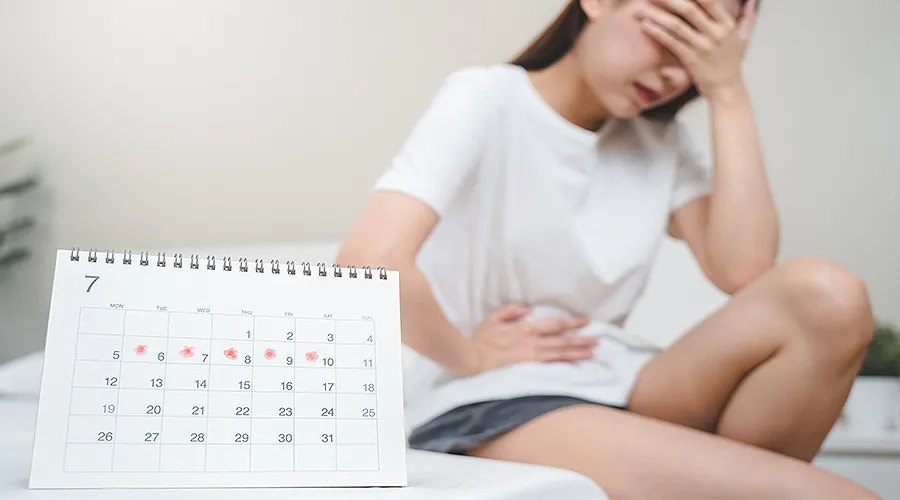
Women typically experience menstruation from menarche, which occurs between the ages of 12 and 15, until menopause, usually between 45 and 55 years of age.
This reproductive span of approximately 35 to 40 years involves regular monthly blood loss.
Each menstrual cycle results in the shedding of the uterine lining, leading to blood loss that can range from 30 to 80 milliliters per cycle.
This consistent blood loss is a significant factor contributing to the higher prevalence of iron-deficiency anemia in women compared to men.
Men do not experience such regular blood loss, making them less susceptible to anemia from this cause.
The World Health Organization estimates that 30% of women aged 15–49 years are affected by anemia, highlighting the impact of menstrual blood loss on women’s health.
In addition to menstruation, events such as pregnancy and childbirth further increase iron demands and potential blood loss, exacerbating the risk of anemia in women.
Therefore, it is crucial for women to monitor their iron levels and maintain a diet rich in iron to mitigate the risk of developing iron-deficiency anemia during their reproductive years.
5. Gynecological issues
Women’s health is significantly impacted by gynecological issues, which can complicate the body’s ability to manage iron levels, leading to an increased risk of anemia.
- Uterine fibroids: These non-cancerous growths in the uterus often cause heavier and more prolonged menstrual bleeding, which can significantly increase iron loss.
- Endometriosis: This condition involves tissue similar to the lining inside the uterus growing outside it, which can cause severe menstrual pain and heavier bleeding, contributing to iron deficiency.
Conclusion
As we’ve explored the complexities of anemia, particularly how it disproportionately affects women, the importance of awareness and proactive health management cannot be overstated.
It is crucial for women to be informed about the symptoms of anemia – such as fatigue, paleness, and unusual cravings – and understand the potential health implications.
Awareness is the first step towards prevention, enabling women to make informed decisions about diet, lifestyle, and when to seek medical advice. Remember, taking charge of your health is empowering.
By staying informed and actively managing your health, you can mitigate the risk of anemia and maintain a vibrant, energetic life. Don’t hesitate to reach out to your doctor or healthcare team if you have any concerns about anemia or your overall well-being.