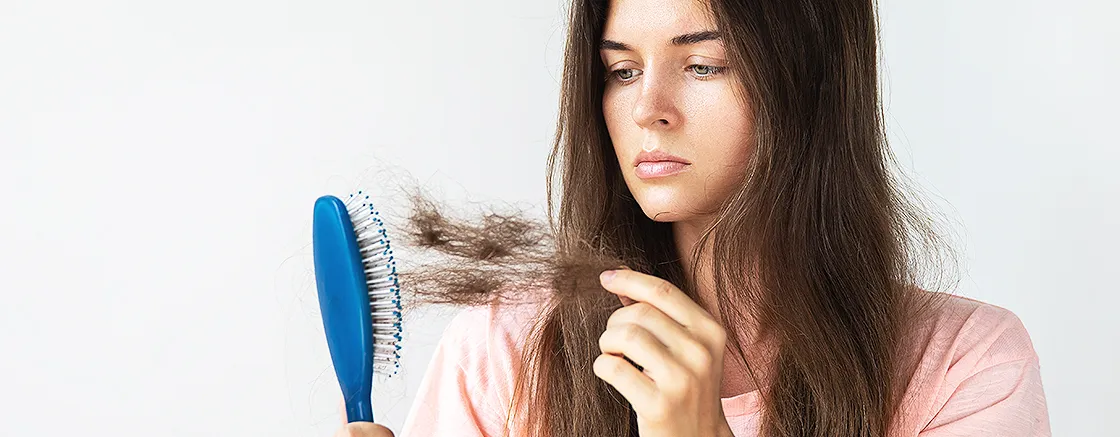
Hair loss is a widespread issue that impacts countless individuals globally. While some degree of hair shedding is normal as part of the natural hair growth cycle, excessive hair loss can be alarming and may signal an underlying health problem.
We often blame stress, pollution, or hair products when we notice excessive hair fall. But what if the real reason is something happening inside your body?
One often underestimated yet critical factor contributing to hair loss is anemia, specifically iron deficiency anemia.
Iron deficiency anemia is the most common form, stemming from insufficient iron levels that hinder the body’s ability to produce hemoglobin—the protein in red blood cells responsible for oxygen transport.
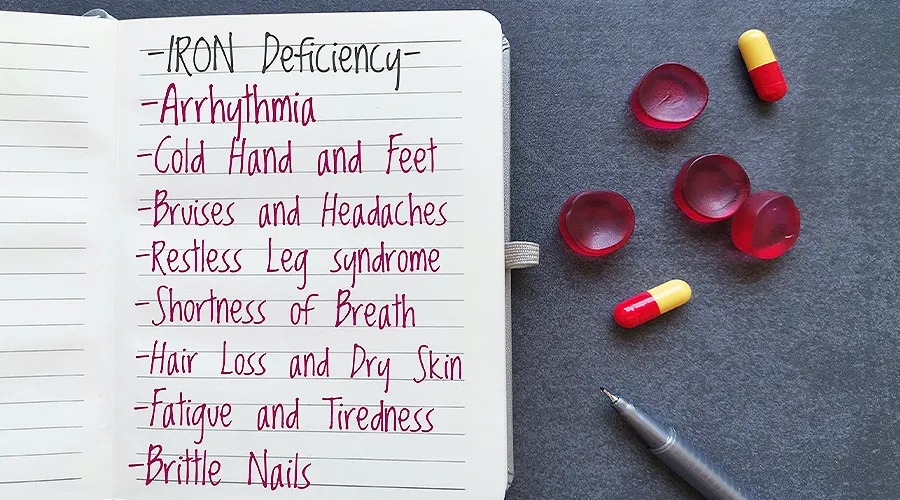
This deficiency can manifest through various signs, including fatigue, weakness, and hair loss.
This blog will delve into the link between iron deficiency anemia and hair fall, highlighting the unique challenges and solutions.
Why does iron deficiency cause hair loss?
Iron deficiency can lead to hair loss through a condition known as telogen effluvium, which causes increased hair shedding and impacts the normal hair growth cycle.
This occurs because iron is crucial for the production of hemoglobin, a protein in red blood cells that is responsible for transporting oxygen to various parts of the body, including the hair follicles.
Inadequate oxygen delivery can impair hair growth and lead to weaker, thinner hair that falls out more easily.
Furthermore, low iron levels might affect the hair shaft integrity, leading to brittle hair that is more prone to breaking.
When the body is low in iron, it may prioritize the use of available iron for essential functions at the expense of hair growth. This can exacerbate the cycle of hair shedding and reduced hair regrowth, potentially leading to noticeable hair thinning over time.
The link between iron deficiency and hair loss
The hair growth cycle consists of four main phases:
- Anagen (growth phase): This lasts between 2 to 7 years and is the phase where hair actively grows. Nutrient deficiencies can shorten this phase, reducing hair growth and length.
- Catagen (transitional phase): This lasts about 2 to 3 weeks and marks the end of active hair growth. The follicle detaches from the dermal papilla, forming a club hair.
- Telogen (resting phase): This lasts approximately 3 months, during which the hair follicle is dormant, and a new hair begins to form beneath the old one.
- Exogen (shedding phase): A sub-phase of telogen where the hair is shed, making room for new growth. Shedding 50-100 hairs daily is considered normal.
Each strand of hair undergoes this cycle independently, ensuring a consistent level of hair on the scalp.
However, disruptions to this cycle such as those caused by nutrient deficiencies can result in excessive hair shedding and noticeable thinning.
How iron deficiency disrupts the hair growth cycle
- Interference with the anagen phase: Nutrient deficiencies, particularly iron deficiency, can impair the hair follicle’s ability to maintain the anagen phase. This leads to a shorter growth period, causing more hairs to enter the catagen and telogen phases prematurely.
- Increased telogen shedding: When a higher number of hairs move into the telogen phase at once, it results in telogen effluvium—a form of temporary hair loss characterized by sudden and excessive shedding.
Mechanisms of iron deficiency’s impact
- Reduced oxygen supply: Iron is essential for producing hemoglobin, which transports oxygen throughout the body. Insufficient iron levels mean less oxygen reaches the hair follicles, compromising their function and ability to support hair growth.
- Weakened follicle metabolism: Iron acts as a cofactor for enzymes involved in cellular energy production and DNA synthesis. A deficiency disrupts these processes, weakening the hair follicles and affecting their ability to sustain healthy hair growth.
Scientific evidence and expert opinions
- Studies and findings: Research in dermatology journals has consistently shown a correlation between low iron levels and hair loss. For example, a study published in the Journal of the American Academy of Dermatology indicated that women with chronic hair shedding were more likely to have depleted iron stores.
- Expert perspectives: Trichologists and dermatologists often recommend assessing iron levels in patients experiencing hair loss. Replenishing iron, either through dietary sources or supplementation, has been shown to improve hair density and reduce shedding in many cases.
Role of phytates and how to mitigate their impact
Phytates, naturally occurring compounds found in legumes, grains, and seeds, can bind to iron and reduce its absorption.
To mitigate their impact:
- Soaking and sprouting: Soaking legumes and grains before cooking can decrease phytate content.
- Fermentation: Incorporating fermented foods like tempeh can help reduce phytate levels and improve overall iron absorption.
- Balanced diet: Consuming a variety of foods ensures that inhibitory effects from phytates are offset by other nutrients that promote absorption.
How do we understand that hair fall is related to anemia?
Determining whether hair loss is related to anemia involves recognizing specific symptoms and undergoing appropriate medical evaluations. Here’s how to assess the connection:
1. Recognize common symptoms of anemia
- Fatigue and weakness: Persistent tiredness and a general sense of weakness are hallmark signs of anemia.
- Pale skin: A noticeable paleness, especially in the face, inner eyelids, or nails, may indicate reduced red blood cell count.
- Shortness of breath: Experiencing breathlessness during routine activities can result from decreased oxygen transport due to low hemoglobin levels.
- Brittle nails and hair: Fragile nails and increased hair shedding can be manifestations of iron deficiency.
2. Observe hair loss patterns
- Diffuse thinning: Anemia-related hair loss often presents as diffuse thinning across the scalp rather than localized bald patches.
- Increased shedding: Noticing more hair than usual on your pillow, in the shower, or on your hairbrush may suggest telogen effluvium, a condition linked to anemia.
3. Seek medical evaluation
- Consult a healthcare provider: If you experience the above symptoms alongside hair loss, it’s essential to consult a doctor.
- Blood tests: A complete blood count (CBC) and serum ferritin test can assess hemoglobin levels and iron stores, helping to diagnose anemia.
Treatment options
Addressing hair loss caused by anemia involves a comprehensive approach that targets the underlying iron deficiency and promotes hair regrowth.
The following treatment options are commonly recommended:
1. Iron supplementation
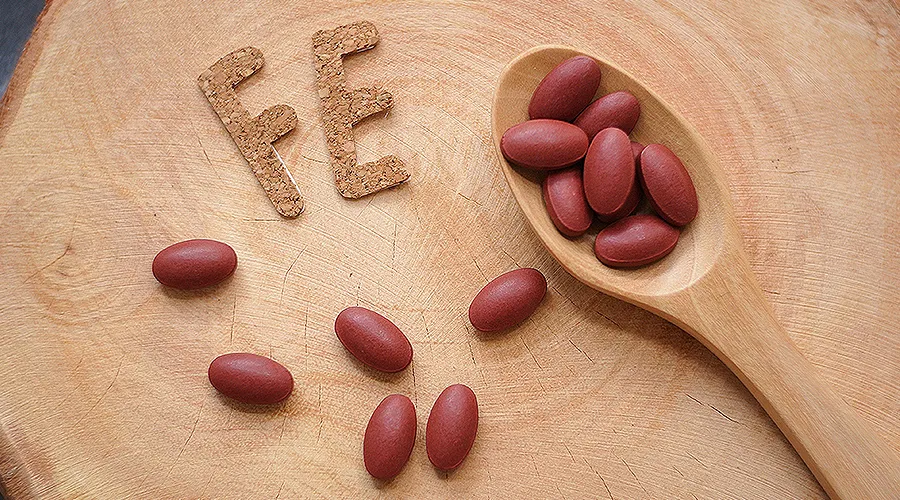
- Oral iron supplements: Physicians often prescribe oral iron supplements, such as ferrous sulfate, to replenish iron stores. To avoid potential side effects, it’s essential to follow the prescribed dosage and duration.
- Intravenous iron therapy: In cases of severe deficiency or malabsorption issues, intravenous iron may be administered under medical supervision.
2. Dietary modifications
- Incorporate iron-rich foods: Enhance your diet with lentils, spinach, quinoa, and fortified cereals.
- Enhance iron absorption: Pair iron-rich foods with vitamin C sources (e.g., citrus fruits, bell peppers) to improve non-heme iron absorption.
- Avoid Inhibitors: Limit intake of substances that hinder iron absorption, such as tea and coffee, during meals.
3. Medical evaluation and treatment of underlying causes
- Identify and Address Root Causes: Consult a healthcare provider to determine the specific cause of anemia, whether it’s due to dietary insufficiency, chronic illness, or other factors, and receive appropriate treatment.
Conclusion
Understanding the link between anemia and hair loss is key to addressing the problem effectively.
Hair fall can be distressing, and when anemia is the underlying cause, it often goes unnoticed until the symptoms become severe.
Understanding the connection between anemia and hair fall empowers you to take proactive steps toward better health. By ensuring adequate iron intake, consuming nutrient-rich foods, and seeking medical advice when necessary, you can restore both your iron levels and hair health.
If you’ve been experiencing unexplained hair loss along with fatigue, dizziness, or pale skin, it might be time to check your iron levels.
Addressing anemia not only helps with hair regrowth but also enhances overall well-being. Remember, healthy hair starts from within—nourish your body, and it will reflect on the outside.