

Have you ever looked in the mirror and noticed persistent dark circles under your eyes, no matter how much sleep you get? While late nights and stress are common culprits, undereye darkness could also be a sign of something deeper.
For some, they’re linked to health issues like anemia or low iron levels, where the body isn’t getting enough oxygen to keep the skin looking fresh and bright.
So, if dark circles are sticking around, it’s worth digging a bit deeper to find out what might be causing them.
Causes of undereye darkness
1. Genetics and skin tone
- Genetics have a strong influence on whether or not you’re prone to dark circles. For some, it’s simply a family trait, often due to inherited skin thickness and pigmentation.
- People with naturally fair or thin skin under their eyes are more likely to have visible blood vessels, which create a darker, shadowed effect.
- Similarly, individuals with higher melanin levels may experience more noticeable pigmentation around their eyes.
- Genetics may also influence how your skin ages, meaning you might see dark circles deepen over time even if they weren’t as noticeable before.
2. Lifestyle factors
Daily routines and habits can significantly impact undereye darkness.
Here are a few lifestyle factors that can make dark circles more prominent:
- Sleep deprivation: Not getting enough quality sleep often leads to dark circles. Lack of rest dilates blood vessels and increases fluid retention, causing puffiness that casts shadows.
- Stress: High stress levels can disrupt your sleep cycle and contribute to fatigue, which can make dark circles look worse. Stress can also prompt your body to produce more cortisol, which can dilate blood vessels, adding to the dark look around your eyes.
- Screen time: Spending long hours on screens, whether for work or leisure, can strain the eyes. This strain can make blood vessels under your eyes more prominent and lead to darker, tired-looking eyes.
- Dehydration and Diet: Not drinking enough water or consuming a nutrient-poor diet can cause the skin around your eyes to look dull and tired, enhancing the appearance of dark circles.
3. Health Conditions
Some health conditions play a direct role in causing undereye darkness, with anemia and iron deficiency being prime examples.
- Anemia and Iron Deficiency: Iron is essential for producing hemoglobin, a protein that allows red blood cells to carry oxygen. When you’re low on iron, your body struggles to deliver enough oxygen, which can make skin look pale and tired, especially around the eyes. In cases of anemia, there’s even less oxygen in the blood, which can cause a dull, darker appearance under the eyes, making undereye darkness one of the visible signs.
- Poor Circulation and Fatigue: Anemia often brings fatigue, which further slows circulation and prevents adequate blood flow to the skin, leaving the undereye area looking shadowed. Since the skin here is thinner, the lack of oxygen-rich blood becomes more visible, intensifying the dark look.
- Other Health Issues: Certain allergies, sinus issues, and thyroid problems can also contribute to undereye darkness. These conditions can lead to inflammation or fluid buildup around the eyes, which adds to the shadowed look.
How anemia and iron deficiency contribute to undereye darkness

1. Impact on skin appearance
- Low hemoglobin levels, often a result of iron deficiency, have a direct impact on the skin’s appearance.
- Hemoglobin is responsible for carrying oxygen throughout the body. When levels are low, the body struggles to deliver enough oxygen to cells, including skin cells, leaving the skin looking dull and tired.
- The thin skin around the eyes is particularly affected, as the lack of oxygenated blood flow causes this area to appear darker and more shadowed.
- Without enough iron, the skin can lose its natural radiance and take on a pale, almost grayish tone, making undereye darkness more prominent.
2. Signs that suggest a nutrient deficiency in your skin
Several visible signs on the skin may indicate an underlying nutrient deficiency like anemia:
- Pale Skin: Anemia often leads to an overall paleness, as reduced red blood cell production means less color in the skin. This paleness is particularly noticeable in areas with thinner skin, like under the eyes, where the reduced blood flow becomes more obvious.
- Weakness and Fatigue: Fatigue is a common symptom of iron deficiency, and it also contributes to a lack of vibrancy in the skin. When your body feels drained, it reflects on your face, making the under eye area look even darker.
- Persistent Undereye Darkness: Dark circles that don’t go away even with adequate rest can be a sign of anemia or iron deficiency. Since the blood is not as oxygen-rich, it can leave the skin under the eyes looking darker and more shadowed, creating a tired, aged look.
3. Why iron is essential for skin health
Iron plays a critical role in maintaining healthy, vibrant skin by supporting oxygen flow and cellular health:
- Oxygen Transport: Iron is crucial for producing hemoglobin, which carries oxygen to every cell in your body. With sufficient iron levels, cells get the oxygen they need to stay healthy and regenerating. When iron is low, oxygen delivery drops, and skin begins to look dull and lackluster.
- Cellular Health and Repair: Skin cells, like all cells, require a steady oxygen supply to repair, renew, and maintain their structure. Iron deficiency weakens these processes, leaving the skin vulnerable to dryness and discoloration, especially under the eyes where the skin is thinnest.
- Reduced Blood Flow: Anemia often leads to poor circulation, meaning that fewer nutrients reach the skin’s surface. This lack of nourishment and oxygenation is especially noticeable in the delicate under eye area, making dark circles stand out more.
Natural remedies and lifestyle adjustments
1. Iron-rich plant-based foods
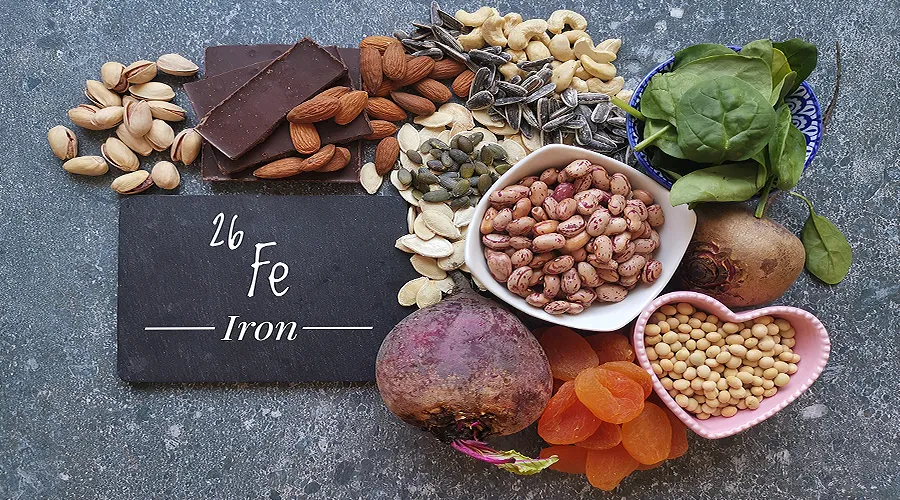
Boosting iron intake is key to reducing undereye darkness, especially if it’s due to iron deficiency. Here are some great sources of iron:
- Spinach and Leafy Greens: Packed with iron and other nutrients, greens like spinach, kale, and swiss chard are easy to add to salads, smoothies, or cooked dishes.
- Lentils and Beans: Lentils, chickpeas, black beans, and kidney beans are rich in iron and are versatile additions to soups, stews, and salads.
- Nuts and Seeds: Pumpkin seeds, sesame seeds, and almonds offer iron in small but beneficial amounts. They make for a great snack or topping on meals.
- Fortified Cereals and Grains: Many cereals and whole grains, like oats and quinoa, are fortified with iron. Check labels to find high-iron options that can easily be incorporated into breakfast or snacks.
2. Vitamin C to Boost Iron Absorption
- Citrus Fruits: Adding a squeeze of lemon or a serving of orange or kiwi alongside iron-rich foods can help your body absorb the iron better.
- Bell Peppers and Tomatoes: These vegetables are high in vitamin C and can be mixed into dishes with iron-rich ingredients, like spinach salads or lentil soups.
- Broccoli and Cauliflower: Both of these vegetables contain vitamin C and can be easily added to iron-rich meals for a nutrient boost.
3. Sleep and Stress Management
Quality sleep and stress management are crucial for skin health, especially for reducing undereye darkness:
- Improving Sleep Quality: Aim for 7-8 hours of sleep each night to help your skin regenerate. Try setting a consistent sleep schedule, avoiding screens an hour before bed, and creating a calming bedtime routine to improve sleep quality.
- Managing Stress: Chronic stress impacts skin health and can make dark circles more noticeable. To manage stress, consider practices like mindfulness, meditation, or gentle exercise. Even taking a few deep breaths when you feel overwhelmed can help. Finding regular activities that help you relax, whether it’s a hobby, a walk, or spending time with friends, can contribute to better skin and reduce under-eye darkness.

Conclusion
Addressing anemia and iron deficiency isn’t just important for overall health—it’s essential for maintaining a vibrant, healthy complexion, especially around the delicate undereye area. Low iron levels can lead to poor blood circulation and oxygen delivery, which directly affects skin tone and can cause or worsen undereye darkness. By proactively incorporating iron-rich, plant-based foods, enhancing absorption with vitamin C, staying hydrated, and managing sleep and stress, you can help brighten the skin under your eyes and improve your overall appearance.