

Noticing bumps in your vaginal area can feel confusing, scary, and even isolating — especially when it’s something so personal and private.
You might be wondering, “Is this normal? Is something wrong with me?” You’re not alone in feeling this way. Many women experience changes like a bump on vagina, small bumps on the labia, or even itchy bumps on vagina at some point.
Sometimes, these bumps are harmless and go away on their own. Other times, they may signal something that needs a doctor’s attention.
Understanding what’s causing them and how to care for yourself can bring relief and restore your peace of mind. This guide is here to help you navigate these changes with compassion, clarity, and practical steps to support your health and wellbeing.
What are bumps on the vaginal area?
Bumps on vaginal area mean any elevated spot, lump, or swelling that exists around the vulva, labia, vaginal opening, or even within the vagina. You may notice a bump on labia, bumps around vagina, or even notice a bumpy vaginal wall during a self-check.
These little bumps on vagina may be painless, itchy, painful, or even hard or soft as per the cause. While some women complain of discovering a little bump on the labia after shaving, others may experience sore bumps on the female genital area following some activities. Identifying what’s normal and what’s not is the way to deal with your issues appropriately.
Common causes of bumps on the vaginal area
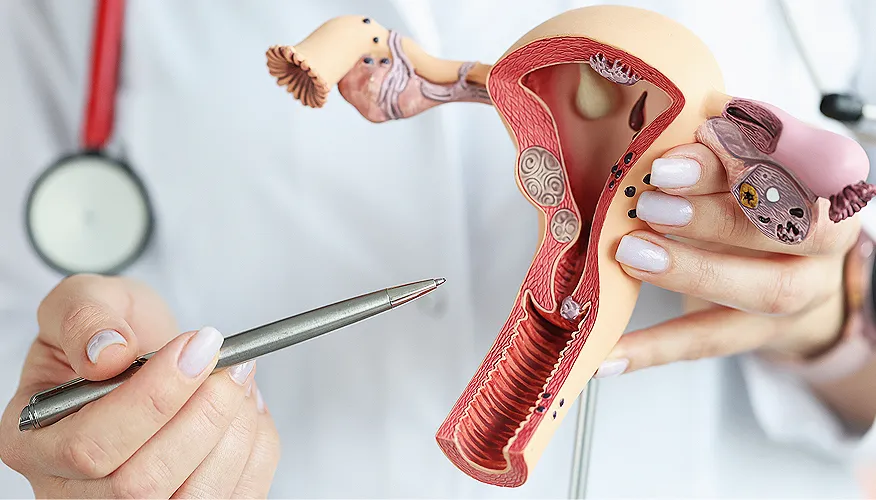
There are numerous reasons you may form a lump in vaginal region. Some of them are harmless, and some of them require treatment by a doctor. Below are the most prevalent reasons of vaginal lumps:
Ingrown Hairs
Following shaving or waxing, hair will tend to grow back into the skin, resulting in a red, sore bump on pubic area. This may appear red, sore, and at times pus-filled. Ingrown hairs are a very common cause of tiny bumps in labia or bumps on female pubic area.
Folliculitis
Folliculitis occurs when hair follicles are infected or inflamed, resulting in groups of small bumps on vagina or bumps on pubic area. All of these can be caused by poor shaving methods, tight clothing, or excessive sweating.
Cysts (Bartholin’s Cysts)
If you see a bump on vaginal opening, it could be a Bartholin’s cyst. These cysts develop when the Bartholin’s glands, which lubricate the vagina, become blocked.
They usually appear as painless lump on vaginal area, but if infected, they may become painful or tender to touch.
Genital Warts
Genital warts are caused by some strains of HPV (human papillomavirus) and appear as genital bumps or tiny bumps on vagina that can be flesh-colored or lighter. They exist alone or in groups around the vulva, vagina, or anus.
Molluscum Contagiosum
This viral infection causes smooth, rounded bumps on pubic area of females. They can appear pearly and are usually not painful, but are infectious through skin contact.
Herpes Simplex Virus
If you get painful, blister-like bumps on pubic area or bumps inside vagina, herpes may be the culprit. These sores tend to break open, crust over, and heal in a few weeks, but return periodically.
Allergic Reactions (Contact Dermatitis)
Occasionally, novel soaps, washing detergents, or even tight synthetic undergarments can result in itchy bump on vulva or itchy bumps on vagina. The itching generally resolves as soon as the causative agent is eliminated.
Effective home remedies to nurture your vaginal health
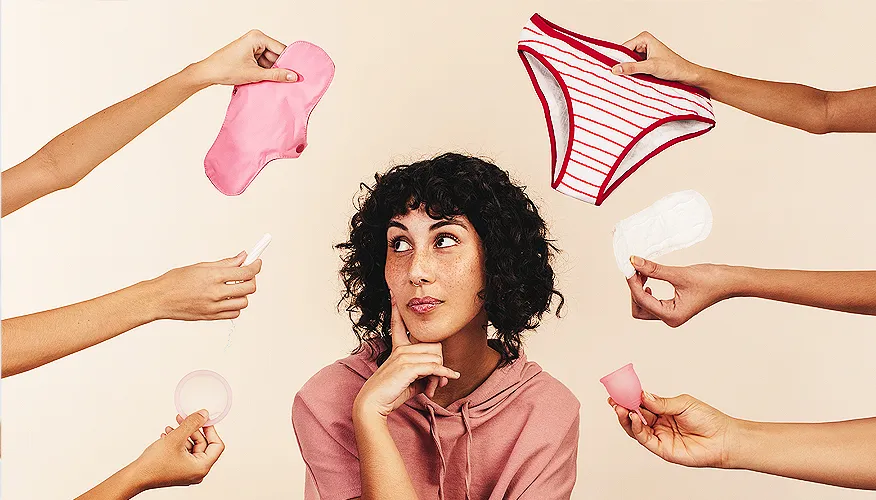
Even though you may not be able to prevent each bump on vaginal region, certain intelligent habits can limit the risks:
Keep the area clean and dry: Maintain good hygiene by washing the area gently with warm water and a mild, fragrance-free soap. Avoid harsh scrubs or scented products, which can irritate sensitive skin. After washing, pat the area dry completely to prevent moisture buildup.
Wear breathable clothing: Choose cotton underwear and loose-fitting clothes to allow airflow and reduce sweating, which can help prevent irritation and infections.
Use a warm compress: Applying a warm compress or sitz bath for 10–15 minutes can ease discomfort and promote healing, especially if you feel swelling or tenderness.
Avoid irritants: Stay away from perfumed soaps, lotions, bubble baths, and feminine sprays that can cause allergic reactions or worsen bumps.
Apply natural soothing agents: Aloe vera gel or coconut oil can provide gentle moisture and soothe irritation. Just ensure you use pure, unfragranced products and test a small area first to rule out sensitivity.
Maintain a healthy diet and hydration: Eating a balanced diet rich in vitamins and probiotics supports your immune system and overall vaginal health. Drinking plenty of water helps flush out toxins.
Practice safe sexual hygiene: Always use protection during intercourse to reduce the risk of STIs that lead to genital bumps and wash before and after to reduce the risk of infections.
Remember, while these remedies can bring relief, any new, persistent, or worsening symptoms should be checked by a healthcare professional to rule out infections or other conditions that may need medical treatment.
Keeping yourself clean and being cautious with the products you use can go a long way in lowering the risk of developing itchy bumps on vagina or painful bump on genital area female.

When to seek a doctor
Though most of the small bumps on vagina are not harmful, you should seek medical attention if you have:
- A painful bump on the genital area that is aggravating
- Bumps on vaginal opening which do not heal
- Bumps within vagina that enlarge or increase in number
- Unusual discharge, bleeding, or odour with bumps
- Recurring itchy bumps on vagina that do not improve with over-the-counter home treatments
Treatment options
The appropriate treatment will depend upon the cause of the bump adjacent to vagina. Here’s an overview of common strategies:
- Ingrown hairs and folliculitis: Warm compresses, gentle exfoliation, and not shaving until healed often work.
- Cysts: Small cysts may clear up on their own. Warm sitz baths can stimulate drainage. Larger cysts require minor surgery.
- Genital warts and herpes: Antiviral or topical medication may be prescribed.
- Allergic reactions: Stop using the offending product and apply a fragrance-free, soothing cream.
Do not pop or pick at any bump on the labia, as this can aggravate the issue or cause infection.
Conclusion
Discovering a bump on your vagina is alarming, but don’t forget that not every vaginal area bump is a cause for concern. Some are benign and have to do with shaving, clogged glands, or mild infections. That said, if you have chronic, painful, or suspicious bumps on the genital area, or if you are worried about a bumpy vaginal wall or vaginal area lump, don’t hesitate to seek a medical professional. Listening to your body and seeking care when needed is the best way to protect your intimate health and peace of mind.