
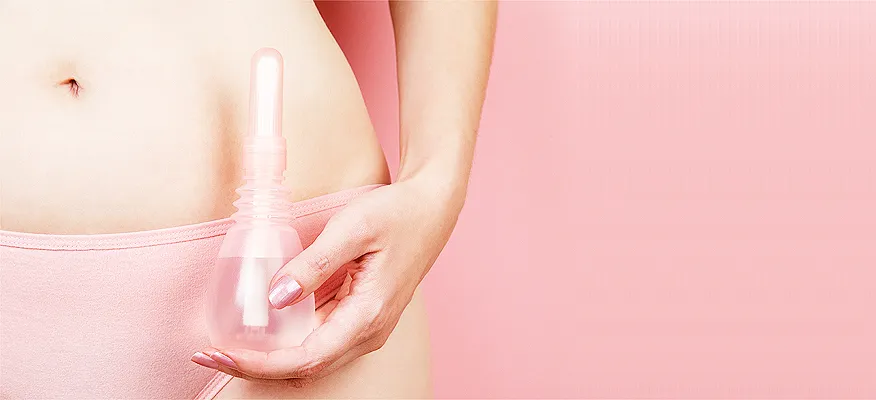
Let’s face it — when it comes to intimate hygiene, there’s a lot of pressure to stay “clean” down there. Between advertisements promising freshness and old-school myths passed down over generations, many women feel the urge to go beyond basic hygiene. That’s where douching often comes in.
For many women, douching has been a go-to method for feeling fresh, with almost 20% of women aged 15 to 44 in the U.S. still practicing it. Despite its widespread use, it’s important to understand how this habit impacts vaginal health.
But here’s the thing: while douching has long been marketed as a go-to for vaginal cleanliness, it’s also one of the most misunderstood practices in feminine care. Before you reach for that bottle, it’s worth understanding what douching really does, how it’s done, and — most importantly — whether you need to do it at all.
In this post, we’ll explore why douching continues to be popular, the potential risks it poses, and what safer alternatives you can use to maintain a healthy balance down there. Let’s dive into the details.
What is douching?
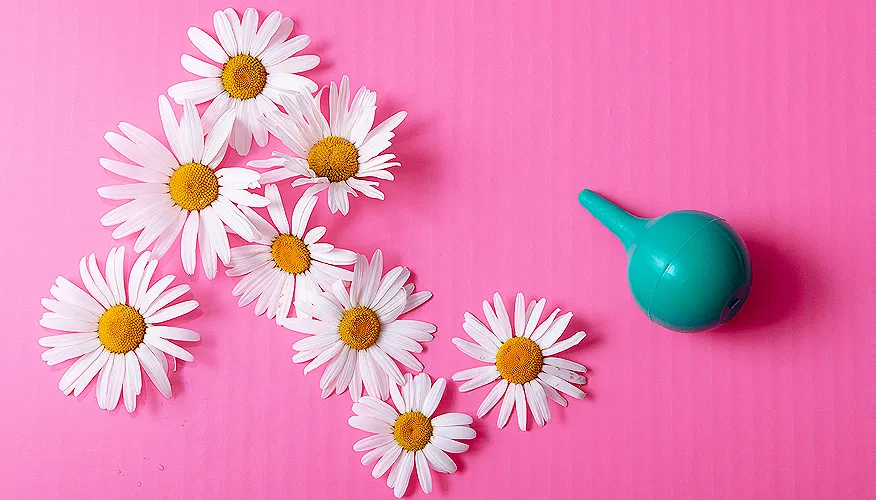
So, before getting into the in-depth knowledge, it is necessary for you to understand, “what is vaginal douching?” In layman’s language, it is a method of cleaning the area with a liquid, be it merely water or a liquid solution.
Here a spray-like equipment, termed douche, is used for squirting the liquid in the vaginal canal. It is easily available at medical shops.
Types of douches
The answer to your query of ‘how to use a douche?’ is not one. Rather, it varies as per the instrument you choose to use.
1. The Bulb-Syringe Douche
This type consists of two parts:
- The bulb, which holds the fluid
- The nozzle, which is used for inserting fluid into the vaginal canal
The shorter nozzle doesn’t reach deep into the vaginal vault, and you need to manually squeeze the bulb to release the solution. Still, it’s often used by those who are new to learning how to do douching.
2. The Vaginal Irrigation Douche
This type includes:
- A bottle
- Tubing
- A nozzle
This one provides more control and comfort. Many prefer this system when exploring how to do douching more efficiently and thoroughly.
Whether you are merely douching with water or using a solution, you must first make a choice of the instrument, according to your comfort, for a better flow of process.
Is douching safe?
Usually the next question after ,”how to do douching “ asks is if it is even safe to do.
This is a widely debated topic. Medical experts don’t recommend a douching method. Sure, there are some advantages but they are out-weidged by the demerits.
It disrupts the necessary pH balance, and removes the healthy bacteria too. There may be repercussions like bacterial vaginosis, PID, pregnancy complications, ectopic pregnancy, and possibly cervical cancer.
Still, if you want to try it self to experience the merits, you may completely understand how to do douching here.

Materials needed for douching
For the first-time-experience, gather the following materials:
- A douche bottle or bulb (either pre-filled or refillable)
- Clean, lukewarm water/recommended solution
- Towels for cleanliness and drying
- A clean bathroom environment
Knowing how to use a douche correctly starts with having the right materials on hand.
How to do douching safely
When learning how to do douching, it’s essential to follow a safe procedure while keeping good hygiene habits in mind.
Here’s a step-by-step guide that includes both the douching method and important hygiene tips to ensure your vaginal health:
Step-by-Step Guide:
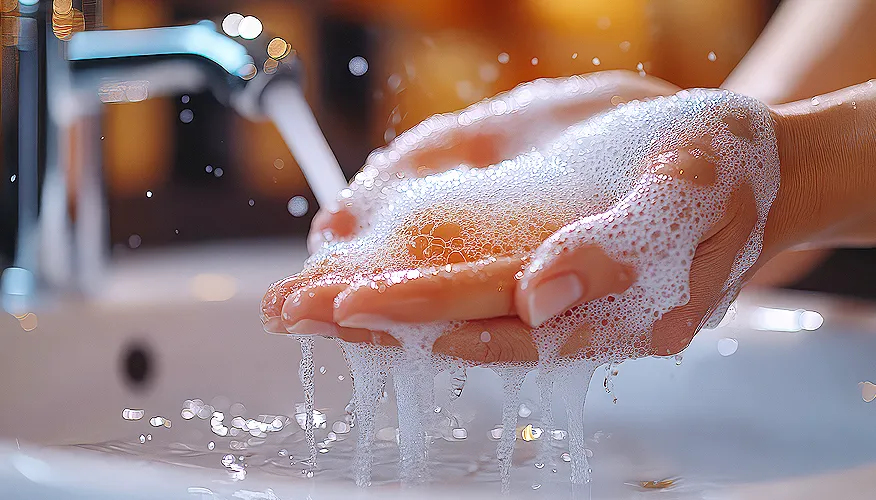
1. Wash your hands thoroughly
Before starting, wash your hands with soap and water to avoid introducing any bacteria into the vaginal area.
2.Clean the external genital area
Gently wash the vulva, You do not need to apply soap inside the vagina—only clean the exterior with mild, unscented soap if desired.
3. Prepare your douche
Fill the douche bulb or bottle with a suitable solution. If you’re douching with water, make sure it’s clean and lukewarm (avoid hot water to prevent irritation).
4. Choose a comfortable position
You can either sit on the toilet, squat, or stand in the shower. The priority is you should be comfortable and relaxed.
5.Insert the nozzle carefully
Gently insert the nozzle into the vagina, being cautious not to force it. If you’re using a bulb-syringe douche, gently squeeze the bulb to release the solution. If you’re using a vaginal irrigation douche, allow the solution to flow steadily.
6. Perform the douching process
Slowly squeeze the bulb to flow through the tubing, rinsing the vaginal canal. Avoid overdoing it—douching should never feel painful or forceful.
7. Rinse the external area
Any excess solution may seep out of the apparatus, into your outer genital area as well. So rinse it with water.
8. Dry the area properly
Once rinsed, pat dry it completely. Avoid rubbing or using rough fabrics, as this could irritate the skin.
When to avoid douching
Majority doctors advocate against a douche for women all the time, but there are some instances where you must not perform the process.
- During pregnancy
- If you have a vaginal infection
- If you have any unusual vaginal discharge or odor
- Or, when you are trying to conceive
Alternatives to douching
The motive behind douche for women is to feel fresh while maintaining hygiene. You may get the same results by taking some proactive steps in daily lives, like:
- Do nothing: The vagina is self-cleaning in its way, it doesn’t require an external input for removing the waste.
- Let it breathe: Many hate vaginal odor. Though the vagina has a natural smell of its own, you may decrease the excess by wearing breathable material and let no moisture trap.
- No scents: Do not go for scented products, be it tampons, pads, soaps, lotions, etc.
- Safe sex: Always opt for safe sex, decreasing the probability of STIs.
- Wipe correctly: Always wipe from front to back after urination so no residual droplets are left.
Conclusion
Douching involves specific equipment, steps, and care. When the douching method is done thoughtfully, it’s important to prioritize hygiene and listen to your body’s response. Keep in mind there are alternatives if douching isn’t a fit for your needs. Whichever route you choose, make sure you listen to your body when it is trying to communicate. And, always prioritize comfort and awareness.