

You’ve made it through a long day, you’re finally in bed—and then it starts. That frustrating, persistent itching down there that seems to get worse the moment you try to relax.
If you’ve ever found yourself tossing, turning, and unable to sleep because of vulvar itching, you’re not alone. It’s not just irritating — it’s exhausting, and it can leave you feeling uncomfortable, anxious, and unsure about what’s going on with your body.
If your vulvar itching is worse at night, it can be more than just a mild irritation — it can disrupt your sleep, affect your mood, and interfere with your daily routine.
You’ve probably searched for “Why does my vulva itch more at night?” or “How to stop itching down there immediately?” – and let me tell you, you’re not alone.
Vulvar itching can be very frustrating. This blog delves into the usual causes, why symptoms may worsen at night, and what you can do to gain relief and comfort.
Causes of vulvar itching at night
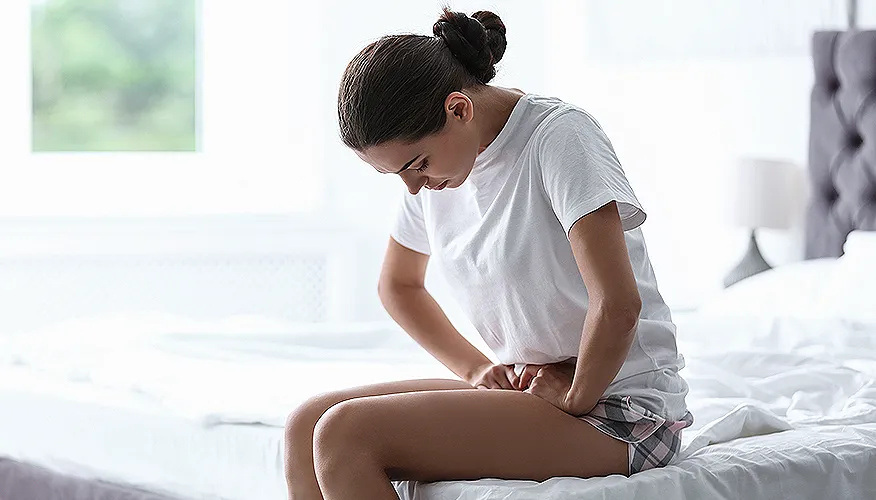
Several conditions can cause vaginal itching at night. Though it’s a typical problem, the underlying cause may be vastly different from one person to another.
1. Yeast infections
One of the most frequent perpetrators of an itchy vaginal region and butt, yeast infections are the result of an overgrowth of Candida.
This may result in redness, swelling, and severe nighttime itching.
2. Allergies and irritants
Occasionally, your personal hygiene products, detergents, or even toilet paper might be the cause of your itchy vulva at night.
Most women have symptoms without discharge, so the irritation is particularly puzzling.
3. Skin conditions
Long-standing skin conditions such as contact dermatitis and eczema are frequent causes of labia itching.
These may induce the labia minora itching, especially in hot, moist environments.
4. Hormonal changes
Perimenopause and menopause can dry the vaginal tissues.
This causes vulva pruritus, which is pruritus due to thinned skin, particularly the labia majora.
5. Infections and STIs
Sexually transmitted infections are also the cause of labia minora itching, which may be associated with other signs such as discharge or odor.
6. Chronic Conditions
Chronic conditions such as lichen sclerosus can result in vulvar itching that lasts for months and remain undiagnosed because of stigma or unawareness.
Knowing the causes of itchy vulva at night is important to enable proper treatment.
Why is vulvar itching worse at night?
Most women say that their vulva itches at night, even when symptoms were light during the day. Here’s why that occurs:
- Less Distractions: Your mind is preoccupied with work during the day. At night, there are fewer distractions, so you notice discomfort more.
- Heat and Moisture: Blanket warmth or constrictive sleepwear can trap sweat and irritants, making female genital itching worse at night.
- Lying down increases blood flow to the pelvic area, making inflammation or itching feel more intense.
These subtle but real changes explain what causes vulvar itching at night and why it seems to worsen as the sun goes down.
Treatment options for night-time vulvar itching
If you’re searching for how to stop itching down there immediately, consider the following treatments based on your diagnosis:
Antifungal creams
For yeast itching, antifungal cream or suppositories may provide quick relief from itchy labia majora and itchy labia minora.
Topical steroids
For inflammation of the skin, such as eczema or dermatitis, corticosteroid creams may ease the labia majora itching.
Antibiotics or antivirals
In case of an infection caused by bacteria or viruses, oral or topical treatment may be prescribed by your doctor.
Estrogen therapy
For hormone dryness, particularly at menopause, estrogen creams can soothe labia majora itching due to thinning skin.
Antihistamine for vaginal itching
When the cause is an allergic reaction, an antihistamine for vaginal itching at bedtime can decrease symptoms and allow you to sleep.
Home remedies for vulvar itching worse at night
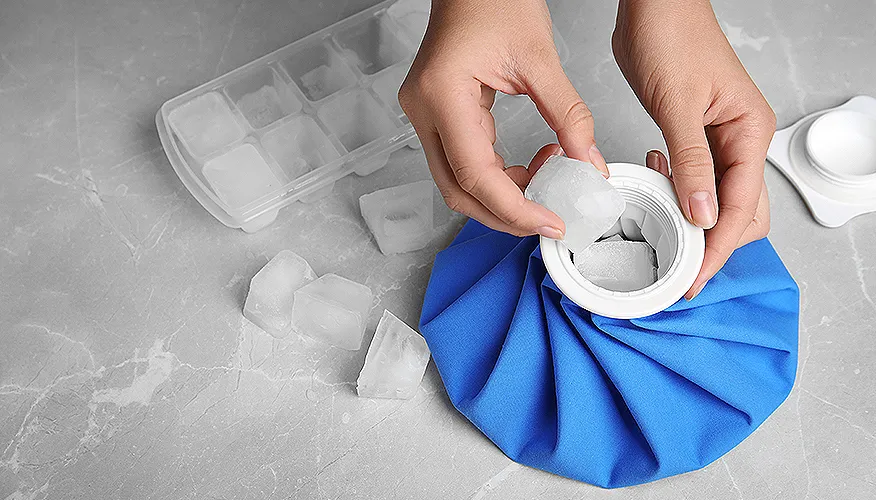
Seeking vulvar itching worse at night home remedies that really work? Have a go with these soothing yet effective remedies:
- Cool Compress: A cold washcloth applied directly to the itchy spot may ease inflammation and ease itching on the spot.
- Baking Soda Bath: Mix a few tablespoons of baking soda into a warm bath. Soaking for 15–20 minutes can ease itchy labia minora irritation.
- Coconut Oil: A natural skin moisturizer, coconut oil may ease dryness and guard against infection.
- Oatmeal Bath: Oatmeal is known for calming irritated skin and can relieve labia minora itching causes and general vulvar discomfort.
- Avoid Scented Products: Scented pads, soaps, or washes often trigger itchy vulva at night and should be avoided.
These remedies are helpful if you’re wondering how to stop itching down there at night without medication.
Prevention tips
Prevention plays a big role in keeping the labia minora and labia majora areas healthy and itch-free:
- Wear loose, breathable cotton underwear and not synthetics.
- Practice good hygiene, but avoid frequent washing or the use of strong soaps.
- Don’t wear tight clothing, particularly at night.
- Drink enough water to keep your skin healthy and supple.
- Wash with unscented, hypoallergenic detergents.
When to see a doctor
You should see a doctor if:
- The itching lasts for more than a few days
- You’ve experienced vulvar itching for months
- The discomfort affects your sleep or daily life
- You have visible lesions, sores, or blisters
Sometimes, vulvar itching is worse at night, with no discharge, which can still point to serious conditions that require medical attention. Early intervention can prevent complications and long-term discomfort.

Conclusion
Vaginal itching at night can upset your peace of mind, but you don’t have to be in pain alone. From pinpointing night-worsening causes of vulvar itching to determining safe and effective treatments, there are lots of options available for coping and beating this condition in this blog.
Whether you want immediate relief, ongoing treatment, or herbal solutions, knowing your body is the starting point. If the itching doesn’t go away, don’t be shy to consult a doctor—it’s the simplest way to determine why your vulva is itching and how to cure it effectively.