If you’ve ever had a urinary tract infection (UTI), you know how uncomfortable — and downright painful — it can be. Urinary Tract Infections (UTIs) are more than a fleeting nuisance — they can throw your schedule off, make you miserable, and even become a chronic issue if not addressed.
The burning sensation, frequent urge to pee, and lower belly cramps are bad enough. But did you know that what you eat can actually make it worse — or help you feel better faster?
While antibiotics are usually the go-to treatment, many women in Southeast Asia and East Africa are turning to food as a supportive remedy for UTI recovery. Certain foods can irritate your bladder lining and prolong your discomfort, while others can soothe inflammation, flush out bacteria, and support healing naturally.
In this guide, we will discuss foods to avoid with UTI (spoiler: caffeine and sugar are not your friends) and intelligent dietary modifications that can prevent such infections. We’ll also consider what to avoid for UTI and realistic lifestyle tips on maintaining a healthy urinary tract.
Whether you’re dealing with a UTI now or prone to getting them often, this guide will help you make smarter choices for bladder health—based on science, real-life experience, and practical, local solutions.
While medical care is crucial, particularly for chronic UTIs, what you eat (and avoid eating) can play a significant role in your symptoms and urinary health.
UTI symptoms: what to watch for
Before we proceed to foods to avoid with UTI, we need to be familiar with the symptoms of a UTI.
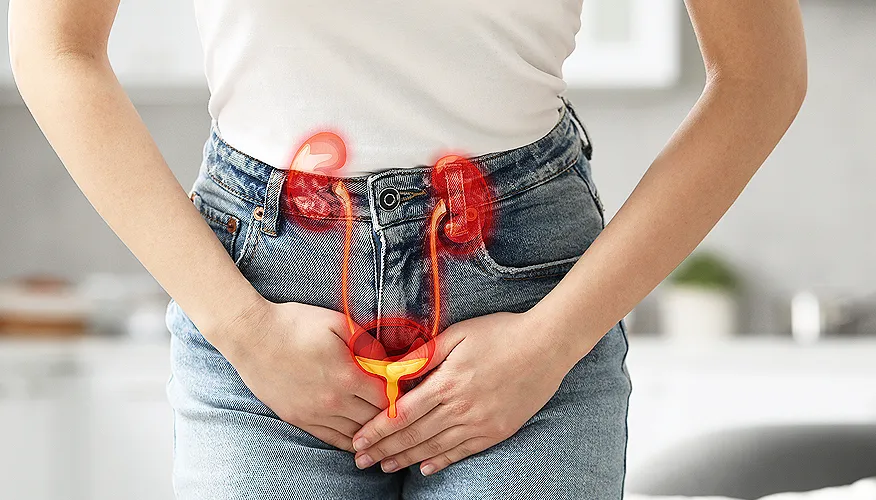
These may range from mild to severe and encompass:
- A frequent need to urinate
- A burning sensation when urinating
- Urges to urinate frequently with small amounts of urine
- Cloudy, blood-tinged, or pungent urine
- Pelvic or lower abdominal discomfort
- Fatigue or fever in severe cases
These symptoms may develop rapidly if left untreated. In addition to treatment, proper UTI diet may prevent and relieve further discomfort.
Can food cause UTI?
Let’s set this straight: food isn’t a cause of UTIs like bacteria like E. coli are, but there are foods that cause UTIs.
Certain foods and beverages can make you more susceptible by irritating the bladder, weakening your immune system, or making the environment so inviting that bacteria will grow and multiply.
So, yes, indirectly, foods that cause UTIs can affect your likelihood of acquiring one or exacerbate symptoms. That’s why it’s important to know which foods cause urinary tract infections or bladder irritation.
Can your diet treat or prevent UTIs?
Food can’t take the place of antibiotics, but it can be part of your recovery and prevention plan. Some foods promote bladder health, kill bacteria, and boost your body’s defense systems.
So, while you’re asking, what foods are best for UTI or what to eat to prevent UTI, keep in mind that a well-balanced diet with anti-inflammatory and hydrating foods can work wonders.
On the other hand, unhealthy food can cause flare-ups or slow down recovery.
What foods to avoid when you have a UTI
When you’re dealing with a urinary tract infection (UTI), what you eat and drink matters more than you think.
In both Southeast Asia and East Africa, many commonly loved foods and beverages can actually make your symptoms worse by irritating your bladder or promoting bacterial growth.
If you’re wondering what foods to avoid when you have a UTI—and what to eat instead—this list will guide you through it, blending local wisdom with medical advice.
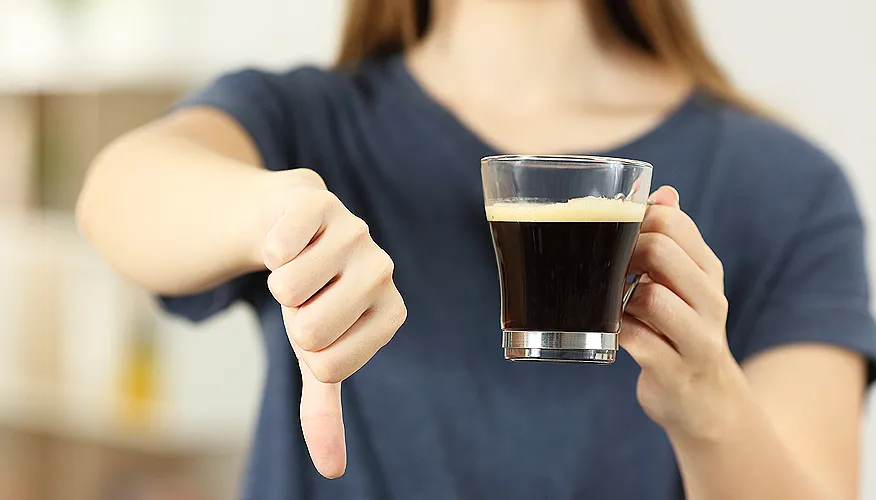
1. Caffeine (Including Coffee and Tea)
Can coffee cause a UTI or make it worse? Yes. Coffee, black tea, and even some herbal teas contain caffeine—a known bladder irritant and diuretic.
Why it’s harmful: Caffeine increases urgency, discomfort, and can inflame the bladder lining, worsening symptoms.
What to drink instead: Try coconut water, unsweetened barley tea, or warm lemongrass and ginger teas—popular in SEA and African households for their soothing properties.
2. Soft Drinks and carbonated beverages
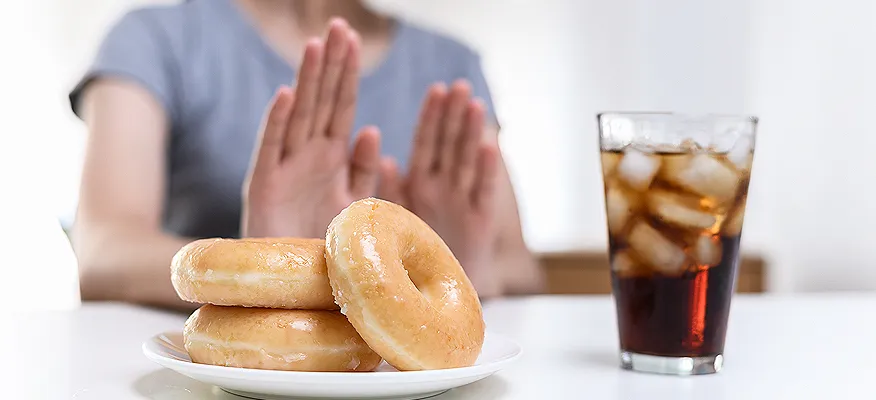
Can soft drinks lead to UTIs? Yes, especially sodas high in sugar or artificial sweeteners.
Why it’s harmful: These drinks disrupt urine pH balance and irritate the bladder, fueling bacterial growth.
What to drink instead: Choose local hydrating drinks like sugar-free tamarind water, barley water, or just plain filtered water with a pinch of Himalayan salt.
3. Spicy foods
Think: pili pili, peri-peri chicken, Thai green/red curry, sambal, or berbere-spiced dishes.
Why it’s harmful: Spices may increase inflammation in the urinary tract and intensify that burning sensation.
Eat instead: Bland, comforting meals like rice porridge (congee or bubur), boiled vegetables, or lightly steamed matoke or sweet potatoes help your system heal without adding irritation.
4. Alcohol
Why it’s harmful: Alcohol dehydrates your body and weakens your immune response. It also increases bladder irritation and urgency.
What to drink instead: Stick to non-alcoholic beverages like warm turmeric milk with no sugar or plain herbal infusions.
5. Artificial sweeteners
Found in: diet sodas, sugar-free chewing gum, processed low-calorie snacks.
Why it’s harmful: Artificial sweeteners like aspartame and saccharin can irritate your bladder lining and worsen UTI symptoms.
Eat instead: If you crave something sweet, go for naturally sweet fruits like bananas, papaya, or ripe mango in moderation.

6. Fried and junk foods
Does junk food cause UTIs? Indirectly, yes.
Why it’s harmful: Fried, greasy snacks and heavily processed foods like chips or instant noodles can increase inflammation and drain your body’s natural defenses.
Eat instead: Home-cooked, balanced meals with plenty of fiber, whole grains, and fresh veggies support a stronger immune system and quicker recovery.
7. Dairy (In Some Cases)
Is milk bad for UTIs? It depends.
Why it’s harmful: High-fat dairy, flavored yogurts, or sugary lassi-type drinks can trigger inflammation for some people.
What to eat instead: Choose plain probiotic yogurt (unsweetened) which supports gut health and balances vaginal flora.
Healthy alternatives for a UTI-friendly diet
Rather than dwelling on foods to exclude when you have UTI, attempt to include good food for UTI patients that aids your body in recovery:
- Water – Flushes bacteria out of your system
- Cranberries – May prevent bacterial adhesion to the urinary tract
- Blueberries – Packed with antioxidants that help boost immunity
- Leafy Greens – Easy on the system and nutrient-rich
- Probiotic Yogurt – Assists in replenishing good bacteria in your gut and urinary tract
- Garlic – Antibacterial properties in nature
- Barley Water & Coconut Water – Excellent natural sources of hydration
These are foods beneficial for UTI recovery and upkeep.
Foods to prevent UTI
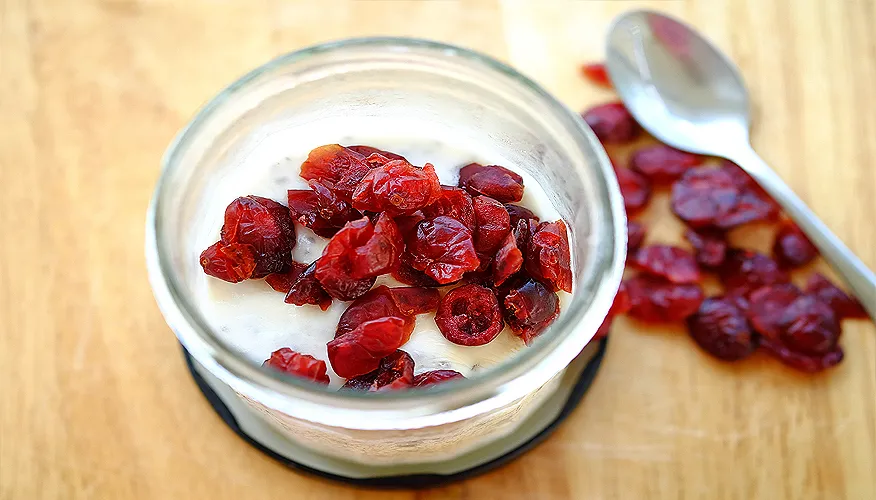
If you’re prone to UTIs, your daily food choices matter. Here are foods to prevent UTIs and reduce the risk of recurrence:
- Fruits high in vitamin C – Like oranges, kiwi, and strawberries. Vitamin C can help acidify your urine, making it harder for bacteria to grow.
- High-fiber foods – Such as oats, chia seeds, and lentils, which support digestive health and prevent constipation—a known contributor to UTIs.
- Probiotics – Such as kefir, sauerkraut, and miso, that promote good bacteria.
- Water-dense fruits and vegetables – Such as cucumbers, watermelon, and celery, to maintain your system clean and flushed.
Some of the best foods for the prevention of UTIs are also very gentle on your bladder.
Lifestyle tips for preventing and handling UTIs
Along with maintaining the correct UTI diet chart, adhere to these habits to help urinary functioning:
- Stay hydrated – Have a minimum of 8 glasses of water every day
- Don’t hold your pee – Urinate as soon as you need to
- Wipe front to back – Prevents bacterial transfer
- Urinate before and after sex – To flush out bacteria
- Wear breathable underwear – Stay away from tight synthetic materials
- Limit sugar intake – Bacteria love sugar
Pair these habits with the right UTI foods to eat, and you’ll build a strong line of defense.
Conclusion
UTIs can be frustrating and painful, but some careful changes can make a significant difference, particularly to your diet. By staying away from bladder irritants such as coffee, soda, junk food, and spicy food and prioritising foods to cure and treat UTIs, you help your body heal and remain healthier.
Keep in mind that the best way is to prevent. Through a UTI-conducive lifestyle and wise dietary choices, goodbye to constant infections and hello to feeling better sooner.