
Let’s talk about something real — something many women experience but too few feel comfortable discussing: vaginal dryness.
Whether it’s due to hormonal shifts, stress, breastfeeding, perimenopause, or simply the natural rhythm of life — if you’ve felt it, you know how uncomfortable, even disheartening, it can be. But here’s the good news: you’re not alone, and there are gentle, natural ways to restore comfort, confidence, and connection with your body.
Vaginal dryness is often your body’s way of communicating—a quiet call for nourishment, balance, and care. Rather than turning to harsh chemicals or quick fixes, why not listen to those signals and respond with the gentle, healing power of nature?
Nature has its own answers. By tuning into your body’s rhythms and embracing natural remedies for vaginal dryness, you can ease the discomfort, support your overall wellbeing, and most importantly—reconnect with your body in a way that feels empowering and kind.
Vaginal dryness causes
The first step towards finding how to prevent vaginal dryness is to understand the reasons behind it. Majorly, it occurs when estrogen levels in the body decrease. Some of the reasons of dry vaginal skin include:
- Hormonal changes because of childbirth, menopause, or breastfeeding
- Use of medications like antidepressants or antihistamines
- Smoking, stress, and dehydration
- Poor diet and lack of essential nutrients
- Harsh soaps or douching
- Low sexual activity
- Sjogren’s syndrome
These factors can disrupt the body’s natural balance, creating conditions where dryness and discomfort become more frequent and harder to ignore.
Natural remedies for vaginal dryness
If you or someone you know experiences vaginal dryness, you must opt for natural remedies for vaginal dryness first before going for medications.
Hydration and balanced diet
- Hydrating properly and eating nutrient-rich fats like those in avocado, salmon, and walnuts promotes both moisture and hormone balance.
- These are examples of food that makes woman wet by supporting the body’s natural estrogen production.
- Staying hydrated also helps how to increase vaginal fluid naturally.
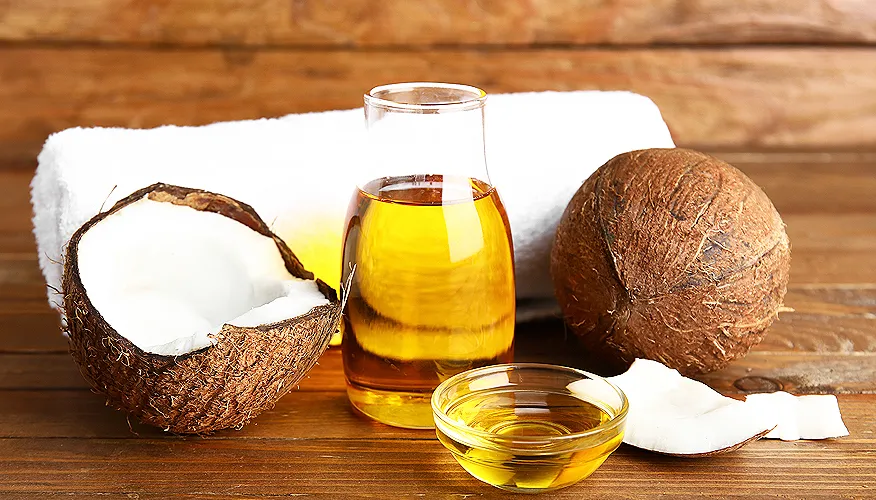
Coconut oil
- One of the most effective and feasible dry vagina home remedies is coconut oil.
- It is a soothing, antimicrobial option that works as a gentle moisturizer, especially without any side-effects.
- Apply a small amount of coconut oil to the vaginal area as needed for soothing and moisturizing benefits.
- However, keep in mind that although coconut oil is safe for external use, it shouldn’t be used with latex condoms because it can weaken the latex and raise the risk of the condom breaking.
Aloe vera gel
- A common cure for vaginal dryness is aloe vera gel.
- It is known for its hydrating and anti-inflammatory properties, making it perfect to work on the issue concerned.
- It can be used inside and outside the vagina, but choose a fragrance-free, chemical-free product to avoid irritation.
- For dryness, apply a small amount externally or gently insert it, following label instructions. Consult your doctor before internal use.
Vitamin E
- Vitamin E is a fat-soluble nutrient and powerful antioxidant that aids in tissue repair, improves elasticity, and supports overall vaginal health by promoting hydration and healing.
- Whether taken as a supplement or used in suppository form, it supports how to increase vaginal lubrication and promotes healing of sensitive tissues.
Probiotics
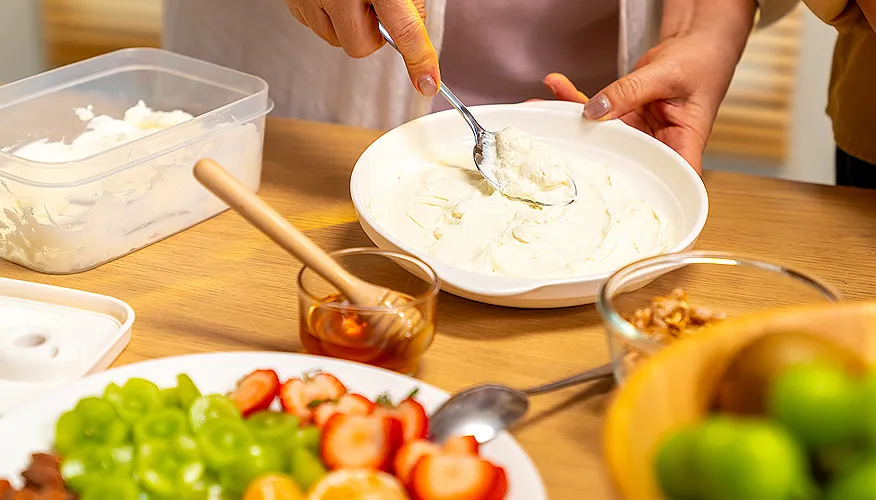
- Preserving a healthy vaginal microbiome is key to regulating moisture and pH balance, helping to prevent dryness and support overall vaginal well-being.
- Probiotics with Lactobacillus strains can improve how to increase vaginal fluid and reduce irritation.
- Adding yogurt, kefir, or a probiotic supplement can be part of your routine vaginal dryness remedies.
It can help in maintaining a healthy pH balance, along with preventing infections, bacteria or others.
Flaxseeds and phytoestrogens
- A basic vaginal dryness treatment is to work on your estrogen level. Phytoestrogens are natural plant compounds that mimic the effects of estrogen within the body.
- Foods like soy, flaxseeds, chickpeas, lentils, and sesame seeds act as food that makes woman wet since they are high in phytoestrogens.
- Including them in your diet may help ease vaginal dryness and support vaginal health, though their effects are subtle and may take time to show.
Regular sexual activity
- If you are wondering how to increase vaginal wetness then regular sexual activity is one of the ways.
- Maintaining sexual activity boosts blood circulation, which in turn improves natural lubrication.
- It’s also one of the easiest and most effective natural remedies for vaginal dryness, helping you stay connected and improving vaginal dryness symptoms.
Herbal remedies
- Vaginal atrophy is a common occurrence during menopause.
- Herbs like black cohosh, red clover, dong quai, and maca root are known to support hormonal balance, especially during menopause or hormonal shifts.
- These time-tested home remedies for vaginal dryness have been used across cultures as effective natural remedies for vaginal dryness.
Avoid harsh soaps and chemicals
- Harsh soaps, scented products and certain chemicals are very tempting to use but they can irritate the delicate tissues of the vagina and disrupt the natural balance.
- This is necessary for several reasons, be it for preventing irritation or for avoiding how to reduce natural lubrication, which can bring discomfort to you.
Exercise and stress management
- The answer to how to avoid vaginal dryness does not lie in consuming something or applying some substances alone.
- It is also about how you keep your body and mind.
-
Physical activity improves blood circulation and hormonal balance. Stress management techniques like yoga or meditation also play a major role in how to prevent vaginal dryness and support natural moisture.
Conclusion
Every woman deserves to feel comfortable in her own body.
Vaginal dryness isn’t just a physical issue—it can affect your mood, your confidence, and your connection with yourself and others. But remember, it’s not something you have to silently live with or be embarrassed about.
By choosing natural remedies for vaginal dryness, you’re not just addressing a symptom—you’re nurturing your body in a gentle, holistic way. Whether it’s through hydrating oils, herbal support, lifestyle changes, or mindful self-care, these small shifts can make a big difference.
Listen to your body. Trust its wisdom. And give it the natural support it needs to thrive—because healing, comfort, and balance are well within reach.