
If you’ve ever had a yeast infection, bacterial vaginosis (BV), or just that “off” feeling down there, you’re not alone. Many women across Southeast Asia and Africa quietly deal with vaginal discomfort, itching, or irregular discharge – and often, the cause is an imbalance in vaginal bacteria. Cue the rising buzz around probiotics.
From yogurt aisles to supplement shelves, probiotics promise to “balance your gut and vaginal microbiome.” But is this just another wellness trend, or do probiotics actually support vaginal health in real, proven ways?
In this blog, we break down how probiotics work, the best strains for intimate health, and how you can naturally (and safely) incorporate them into your daily routine. Whether you’re trying to prevent recurring infections or simply want to feel more confident in your body, here’s what you need to know – without the fluff.
Probiotics play a key role in maintaining vaginal health by supporting a healthy balance of bacteria in the vaginal microbiome. Certain strains like Lactobacillus rhamnosus and Lactobacillus reuteri have been studied for their ability to prevent and manage common infections like bacterial vaginosis (BV) and yeast infections.
Whether you’re looking for natural ways to prevent infection or curious about restoring balance after antibiotics, this guide offers trusted, research-backed advice tailored to women in Southeast Asia and Africa.
Understanding vaginal health
When it comes to vaginal health, stigma often trumps the urgent need for medical attention reported by over 82% of women.
Awareness has grown, but it still isn’t enough. Numerous conditions can jeopardize vaginal health, but yeast infections and bacterial vaginosis (BV) lead the charge. The common symptoms of those are:
- Vaginal Itching or Soreness
- Swelling Around the Vaginal Opening
- Burning During Urination
- Vaginal discharge
- Fishy odor
These issues are so deeply dismissed, yet critically important, that many women resort to potent home remedies instead of opening up about them or seeking professional medical care. For instance, probiotics for bacterial vaginosis.
When paired with standard treatments, they’re believed to support vaginal health.
What are probiotics and how do they work
Probiotics are live microorganisms – often called “good bacteria” – that help balance the body’s natural microbiome.
While they’re more commonly associated with gut health, probiotics also play a vital role in vaginal health by supporting a healthy vaginal flora.
A healthy vagina is usually dominated by Lactobacillus bacteria, which maintain a slightly acidic pH and prevent harmful bacteria and yeast from taking over.
When this balance is disturbed (due to antibiotics, hormonal changes, or poor hygiene habits), infections like bacterial vaginosis or yeast infections can occur. This is where probiotics can help restore that balance.
Should you use probiotics for vaginal health?
The question isn’t whether you can use probiotics for vaginal health as topical application is generally safe, but it’s about whether they actually deliver meaningful benefits.
Your vagina consists of microorganisms that maintain a balance of pH to keep itself healthy. Among these, Lactobacillus actively competes with harmful bacteria and fungi, fighting for space and nutrients to keep them in check. Probiotics contain lactobacillus in a substantial amount.
What does the research say?
Research on the use of probiotics for vaginal health is still ongoing, but studies have already shown that probiotics for yeast infections may enhance traditional treatment and reduce recurrence.
Lactobacillus and other probiotics can help reduce the symptoms of vaginal issues like BV and yeast infection. Additionally, some studies support the use of probiotics as a preventative measure to stop germs and avoid illnesses in the future.
For instance, a study reported a 95% reduction in recurring BV cases with probiotic use. Another research, focused on women affected by VVC, revealed that probiotics alone resolved symptoms in 45% of cases, while the remainder benefited from additional antifungal treatment.
Studies examining both oral and vaginal probiotic use indicate that vaginal application may offer greater effectiveness in directly influencing the vaginal microbiome.
Furthermore, a study on postmenopausal women using probiotics reported increased levels of Lactobacillus and reduced harmful bacteria like Gardnerella and Prevotella. While it doesn’t directly alleviate BV, this is beneficial to yeast infections.
Why are probiotics important for vaginal health
As discussed, probiotics are pretty important to maintain a healthy balance of vaginal flora, prevent infections, and support immune defense.
The benefits of probiotics for women are:
Benefits of probiotics for vaginal Health
| Benefit | Details |
| Maintenance of vaginal microbiome | Lactobacillus species help maintain a healthy vaginal environment by balancing pH and suppressing harmful bacteria like Gardnerella and Candida. |
| Prevention and treatment of infections | L. rhamnosus strains support the natural flora and reduce the occurrence of BV and yeast infections |
| Immune system support | Probiotics support the vaginal immune system by reinforcing the mucosal barrier and blocking pathogens |
| Alternative to antibiotics | Probiotics provide a natural alternative to antibiotics, minimizing the risk of antimicrobial resistance and offering a gentler approach to managing infections |
| Probiotics for vaginal odor | Use of probiotics reduce vaginal odor by maintaining a balanced flora |
| Probiotics in UTI | Benefits of probiotics for women and men extend even to UTIs. |
Best probiotic strains for vaginal health
Here are the probiotic strains that have been most studied and have shown to be most promising in maintaining vaginal health:
| Probiotic strain | Summary |
| Lactobacillus rhamnosus | It helps restore urogenital flora. Lactobacillus rhamnosus is among the best probiotics for yeast infection. |
| Lactobacillus reuteri | This RC-14 strain promotes a balance of healthy vaginal microbiome. |
| Lactobacillus acidophilus | It may help prevent and manage vaginal imbalances, including BV. |
| Lactobacillus crispatus | A dominant species in a healthy vaginal microbiome. Supports overall health. |
| Lactobacillus gasseri | May reduce harmful bacteria like Gardnerella vaginalis. |
| Lactobacillus paracasei | F-19 strain is used to promote a favorable vaginal microbiome. |
How to take probiotics for vaginal health

You can take probiotics in two ways, orally or through vaginal administration. Each has its benefits and considerations.
Oral Administration
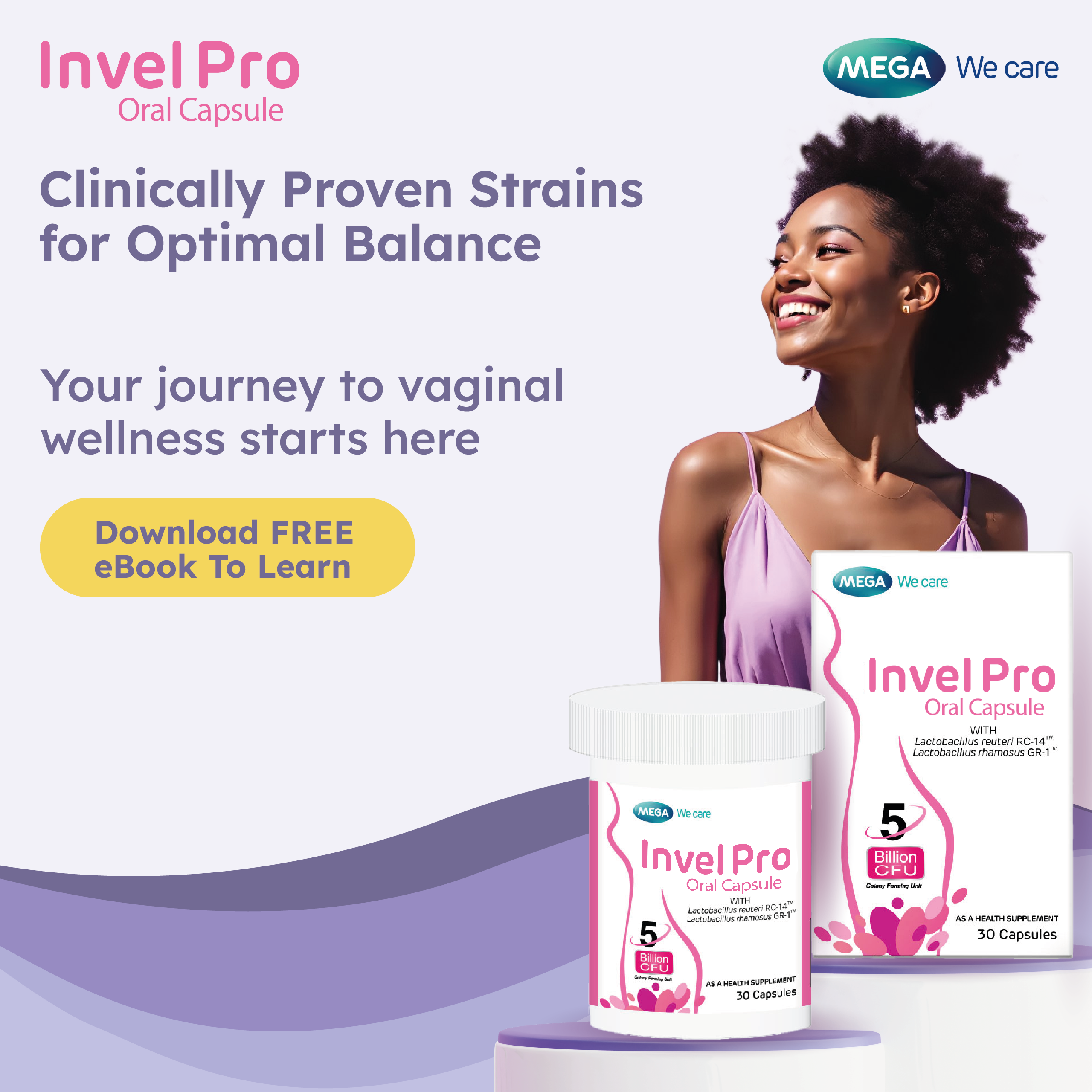
Probiotics containing strains like Lactobacillus rhamnosus, Lactobacillus acidophilus, and Lactobacillus reuteri, which can be used to support your vaginal health.
Continue for at least 2-3 months, in addition to your ongoing treatment, to observe any noticeable difference. Oral probiotics positively impact gut microbiomes as well.
Vaginal Administration
Similar probiotic strains as for oral administration are effective when applied vaginally as well. Plus, they’re more effective this way. Capsules, vaginal probiotic suppositories, and gels are widely available to use topically. These can be inserted directly into the vagina to help restore local microbiomes.
The effects of vaginal dosing is much more rampant, with improvements showing within 2-3 days of application.
Precautions and side effects
Side effects for probiotic use are rare, but consult a healthcare provider before starting probiotics, especially if you have a compromised immune system or are pregnant.
In some cases, you may experience mild bloating or gas, but severe reactions like allergies can arise as well.
It’s also worth noting that probiotics aren’t FDA authorized, so opt for products from reputable manufacturers and avoid probiotics for vaginal health during pregnancy.
When to contact a doctor
As mentioned, probiotics are usually harmless when administered both orally and vaginally, but if your symptoms persist or worsen after probiotics use, consult your doctor.
Moreover, if you notice signs of allergic reactions, including swelling, rash, or difficulty breathing, take these issues seriously and consult with your doctor.
Conclusion
We discussed how probiotics, particularly with lactobacillus strains, can play a significant role in maintaining vaginal health. They’re particularly effective in balancing the microbiome to prevent recurring infections, but they also show promise when used alongside conventional medication. While they’re usually considered safe, consult your doctor before starting.