
Omega-3 fatty acids are often spoken about as a single nutrient, but they are actually made up of different components that play different roles in the body.
Two of the most talked-about omega-3s are DHA and EPA. Parents frequently ask whether both are equally important for children, or if one matters more during the growing years. Understanding the difference between DHA and EPA helps parents make better nutrition decisions that support learning, behaviour, immunity, and overall development.
What Are DHA and EPA?
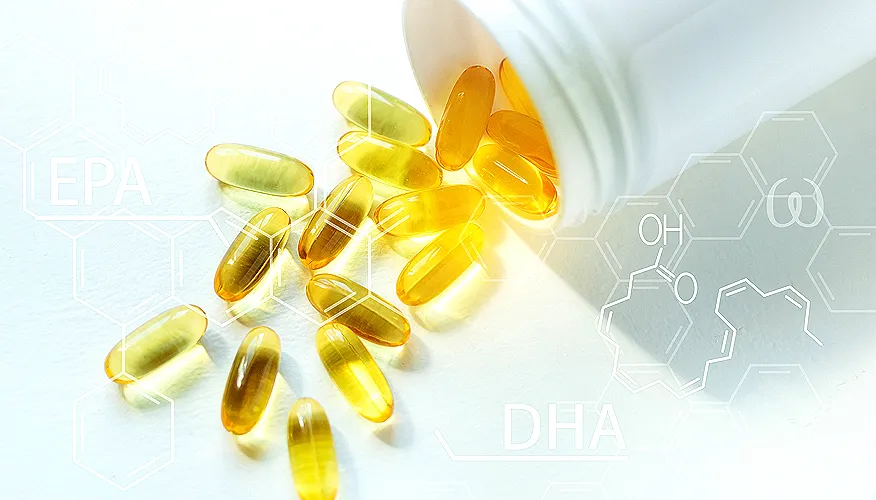
DHA and EPA are long-chain omega-3 fatty acids that play important roles in the body, especially in the brain and nervous system. DHA, which stands for docosahexaenoic acid, is a structural fat. This means it becomes part of the physical structure of brain cells, nerve tissue, and the retina of the eyes. Because of this, DHA is closely linked to brain development, learning ability, memory, and vision. When people ask what is DHA, the simplest answer is that it is a building block for the brain and eyes.
EPA stands for eicosapentaenoic acid. EPA works differently from DHA. Rather than building structures, EPA mainly supports function. It helps regulate inflammation, supports immune balance, and influences mood and emotional regulation. When parents look for the EPA and DHA meaning, it helps to remember that DHA builds, while EPA regulates.
Both DHA and EPA are commonly found together in marine sources, but they are also available through algae-based options, which are suitable for children who follow a plant-forward diet.
What Is the difference between EPA and DHA?
The key difference between EPA and DHA lies in how they work inside the body. DHA is a major structural component of the brain, especially during childhood when the brain is still growing rapidly. A large portion of the brain’s fat content is made up of DHA, which makes it essential for thinking, learning, memory, and visual development.
EPA, on the other hand, supports how the body responds to stress and inflammation. It plays a role in regulating chemicals that influence mood, immune responses, and overall emotional balance. While EPA is important, it does not form brain tissue in the same way DHA does. This distinction is particularly important when considering omega-3 needs for children, whose brains are still developing.
Why DHA is especially important for kids
DHA is considered the most important omega-3 for children because it directly supports brain growth and function.
- During early childhood, the brain develops at a rapid pace, forming millions of connections between nerve cells.
- DHA helps strengthen these connections, allowing information to travel more efficiently within the brain.
- DHA also plays a critical role in eye health. The retina contains high levels of DHA, which supports visual clarity and coordination.
- As children grow older and begin school, DHA continues to support learning, attention span, memory retention, and problem-solving skills.
- Adequate DHA intake has also been linked to better emotional regulation and calmer behavior, which can influence both academic performance and social interactions.
Because the body produces very little DHA on its own, children must receive it through diet or supplementation, especially if they do not consume fish.
The role of EPA in children’s health

Although DHA is the primary omega-3 for brain structure, EPA also plays an important supporting role in children’s health.
- EPA helps manage inflammation in the body, which is important for immune health and recovery from illness.
- It also supports the balance of neurotransmitters that influence mood and emotional responses.
- EPA and DHA benefits often overlap, especially when it comes to emotional wellbeing.
- EPA may help children manage stress, mood swings, and irritability, particularly during periods of rapid growth or increased academic pressure.
While EPA does not replace DHA’s role in brain development, it complements DHA by supporting how the brain and body respond to internal and external stress.
DHA vs EPA: Which one does your child need more?
For children, DHA is generally more important than EPA, especially during the early years and throughout school age.
This is because DHA directly supports brain and eye development, which are critical during growth. EPA remains valuable, particularly for immune health and emotional balance, but it does not replace the structural role of DHA.
In most cases, children benefit most from omega-3 sources that provide DHA along with smaller amounts of EPA. This balance supports both brain development and overall wellbeing. For children who follow a plant-forward diet and do not consume fish, algae-based DHA is often prioritised to ensure adequate intake during key developmental stages.
Best food sources of DHA and EPA
- DHA and EPA are traditionally associated with fish oil, which contains both fatty acids.
- Fish oil EPA DHA combinations are commonly discussed, but fish is not the only source.
- Algae is the original source of DHA and EPA in the marine food chain, as fish obtain these fats by consuming algae.
- For families who follow a plant-forward approach, algae-based foods and supplements provide omega 3 EPA DHA without relying on fish.
- While plant foods such as seeds, nuts, legumes, and leafy greens mainly provide ALA, a different type of omega-3, they still support overall omega-3 intake and can complement DHA from algae. This combination allows children to meet their omega-3 needs in a way that aligns with plant-focused dietary preferences.
DHA and EPA supplements for kids
Supplements may be considered when children do not consume enough omega-3 through food alone.
DHA and EPA supplements for kids should always be chosen carefully and used under medical guidance. For plant-forward families, algae-based DHA EPA supplements are suitable because they provide marine omega-3s without using fish oil.
When selecting a DHA EPA supplement, parents should check that the product clearly states DHA and EPA amounts, is appropriate for the child’s age, and does not contain unnecessary additives. Omega 3 EPA DHA supplements are best given with meals that contain natural fats to improve absorption and reduce digestive discomfort.
Is Omega-3 the same as fish oil?
Omega-3 is not the same as fish oil, although the terms are often used interchangeably.
- Omega-3 refers to a group of fatty acids that includes DHA, EPA, and ALA.
- Fish oil is simply one source of omega-3, providing DHA and EPA. When people ask is fish oil and omega 3 the same, the answer is no. Fish oil is a source, while omega-3 is the nutrient itself.
- Algae-based oils also provide omega-3 in the form of DHA and EPA, making them a suitable alternative to fish oil for children who do not consume fish.
Conclusion
DHA and EPA are both important omega-3 fatty acids, but they play different roles in a child’s body. DHA is especially important for brain and eye development, making it the priority omega-3 for growing children.
EPA supports immune health and emotional balance, working alongside DHA to support overall wellbeing. Whether obtained through food or supplements, ensuring adequate DHA intake during childhood can support learning, behaviour, and long-term health.
With informed choices and a plant-forward approach when needed, parents can confidently support their child’s omega-3 needs.