
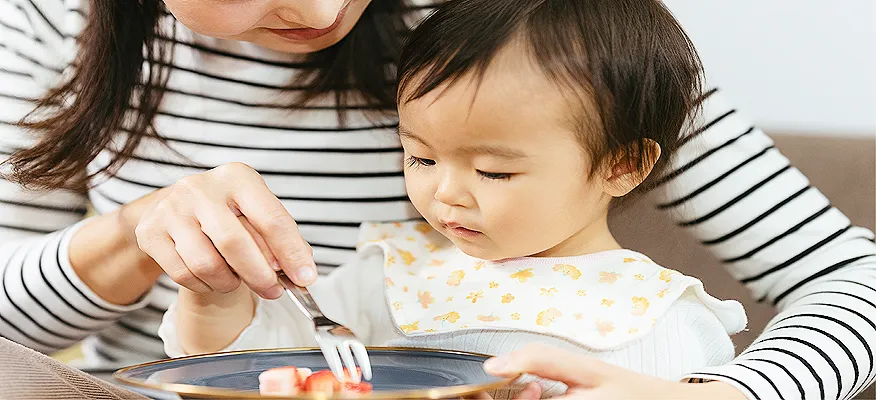
The move from milk and purees to finger foods marks a significant step in your baby’s development. It is not just about learning to eat new foods, but about building independence, coordination, and confidence at the table. For many parents, this stage brings questions and concerns around safety, choking, and readiness.
Understanding when babies can start finger foods — and how to introduce them safely — can make this transition smoother and less stressful. While age offers a general guideline, a baby’s developmental readiness matters far more.
With the right timing, supervision, and food choices, finger foods can become a positive and enriching part of your baby’s routine.
Why timing matters with finger foods
Introducing finger foods too early can increase the risk of choking, as babies may not yet have the coordination needed to manage solid pieces safely. On the other hand, delaying finger foods for too long may limit opportunities for babies to practise chewing, grasping, and self-feeding skills.
Paediatric guidance emphasises focusing on developmental milestones rather than age alone, as babies grow and develop at different rates. The right timing allows babies to transition gradually from spoon-fed purees to more textured foods, helping them adapt comfortably to family meals over time.
Signs your baby is ready
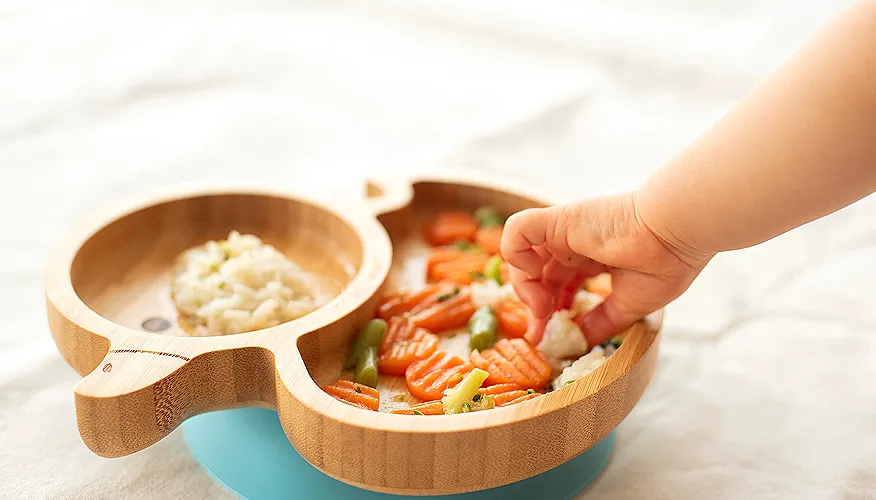
Readiness for finger foods is based on skills, not just months.
According to the American Academy of Pediatrics, babies may be ready to start finger foods when they can sit upright with minimal support and hold their head steady. Showing interest in what others are eating, reaching for food or utensils, and bringing objects to their mouth are also important signs.
Another key indicator is the ability to move food from the front of the mouth to the back and swallow it, rather than pushing it out with the tongue. If a baby continues to thrust food out or struggles to sit upright, it is usually best to wait a few more weeks before trying again.
The right age to start
Most babies develop the hand control and coordination needed for finger foods between eight and ten months of age. Some babies may show readiness slightly earlier, while others may take a little longer. There is no fixed timeline that applies to every child.
What matters most is observing your baby’s cues and moving at their pace. Some babies eagerly explore new textures, while others prefer purees for longer. A gradual, flexible approach helps babies feel confident and supported as they learn new eating skills.
Best first finger foods
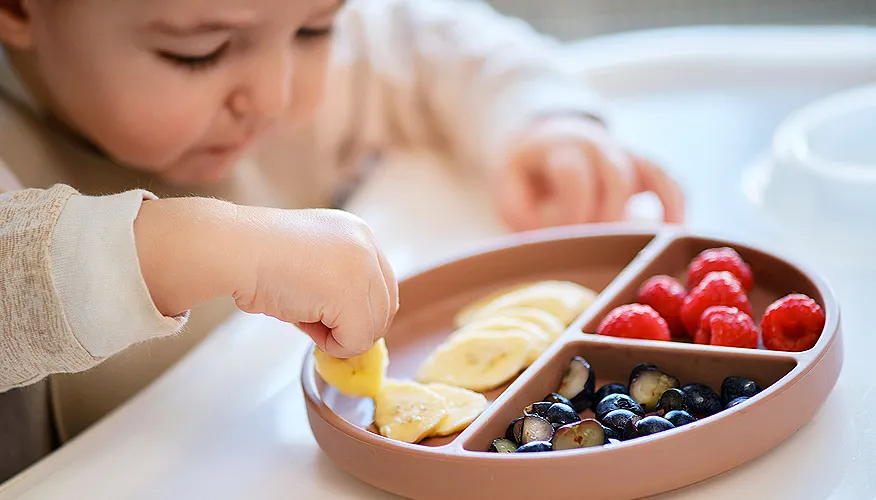
The first finger foods should be soft enough to mash with gums, cut into small bite-sized pieces, and easy to grasp. Examples include:
- Soft fruits: Banana slices, avocado chunks, ripe peach or pear pieces.
- Cooked vegetables: Steamed carrot sticks, zucchini slices, broccoli florets.
- Protein options: Small pieces of scrambled egg, soft tofu, shredded chicken.
- Carbohydrates: Tiny pieces of soft bread, well-cooked pasta spirals, or rice balls.
- Snacks: Unsweetened baby puffs that dissolve quickly.
Introducing one food at a time makes it easier to spot allergies or sensitivities (CDC).
Safety tips for parents
Safety is essential when introducing finger foods. Babies should always be supervised during meals and seated upright in a highchair that offers good support. Foods should be cut into small pieces and checked to ensure they are soft enough to mash easily.
Offering water in a cup can help babies manage swallowing, and maintaining a calm, unrushed mealtime environment allows babies to focus on eating and learning. Safety is not about creating fear, but about providing a supportive space where exploration can happen confidently.
Foods to avoid
Some foods are unsafe for toddlers until they are older. The CDC and AAP recommend avoiding:
- Whole grapes, cherry tomatoes, and hot dog slices (cut into quarters if offered).
- Popcorn, nuts, seeds, and hard candy.
- Sticky foods like peanut butter chunks or marshmallows.
- Raw vegetables like carrots or celery sticks.
- Honey before age one due to the risk of botulism (CDC).
Avoiding these foods reduces choking hazards and keeps meals safe.
Common mistakes to watch for
Parents sometimes make well-meaning mistakes, like:
- Starting before the baby can sit up or grasp food.
- Offering foods that are too hard or too big.
- Assuming teeth are needed (gums can handle soft foods).
- Forcing the baby to eat even if they are not interested.
Babies should lead the pace. Some may play with food before actually eating it, and that is okay; it is part of learning.
Conclusion
Finger foods mark a big step in your baby’s growth. While most babies are ready between 8 and 10 months, readiness signs matter more than age. Safe choices, close supervision, and patience are key to making this milestone enjoyable.
The shift from spoon-fed meals to finger foods is not just about eating; it is about independence, confidence, and skill-building. Parents who watch for readiness, avoid choking hazards, and offer variety can help their baby grow into a happy, capable eater.