

As children grow, their brains and eyes develop rapidly, shaping how they learn, see, and interact with the world.
Nutrition plays a powerful role during these formative years, and omega-3 fatty acids are among the most important nutrients supporting this growth. This is why fish oil for kids is often recommended as part of a healthy childhood diet.
Fish oil contains DHA and EPA, two omega-3 fats that help build brain and eye tissue while supporting emotional balance and immunity.
Understanding how fish oil works, when it may be needed, and how to use it safely can help parents make informed choices that support their child’s development today and long-term health tomorrow.
What is fish oil and why do kids need it?

Fish oil is a source of omega-3 fatty acids, particularly DHA and EPA, which are important for a child’s growth and development. These fats are considered essential because the body cannot produce them in sufficient amounts on its own. For children, omega-3 plays a key role during the years when the brain, eyes, and nervous system are still developing.
When parents search for fish oil for kids, they are usually looking for ways to support learning, focus, vision, and overall development. Fish oil provides DHA, which helps build brain and eye tissue, and EPA, which supports immune balance and inflammation control. Together, these nutrients help support both cognitive and physical development during childhood.
Key benefits of fish oil for kids’ brain development
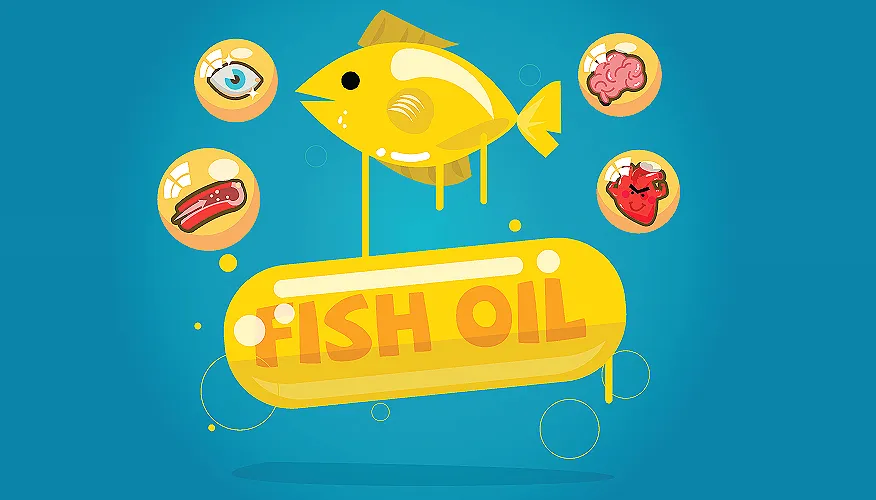
The brain is made up largely of fat, and DHA is one of its most important building blocks.
During childhood, the brain forms millions of new connections that support learning, memory, attention, and emotional regulation. DHA from fish oil helps strengthen these connections, allowing brain cells to communicate more efficiently.
Adequate omega-3 intake has been associated with improved focus, better learning ability, and calmer behaviour in children.
While fish oil is not a treatment for learning or behavioural conditions, it may support overall brain function when included as part of a balanced diet and healthy lifestyle. This is why fish oil for kids is often discussed in the context of brain development and cognitive support.
How fish oil supports eye health in children
DHA is also a major structural component of the retina, the part of the eye responsible for vision. During childhood, when visual systems are still developing, DHA supports visual clarity, coordination, and overall eye health. Adequate DHA intake may help support comfortable vision, especially as children spend more time reading or using digital screens.
Healthy vision plays an important role in learning and daily activities, making omega-3 intake an important part of supporting both academic and everyday performance in children.
Other health benefits of fish oil for kids
Beyond the brain and eyes, fish oil offers additional benefits for children’s overall health.
- EPA helps regulate inflammation, supporting immune balance and recovery from common illnesses.
- Omega-3 also supports healthy blood flow and circulation, which helps deliver oxygen and nutrients to growing organs and muscles.
- Some studies suggest that omega-3 may support emotional balance and mood regulation, particularly during periods of rapid growth or increased academic stress. These broader benefits make omega-3 an important nutrient for supporting children’s overall wellbeing, not just brain and eye health.
Best food sources of omega-3 for kids
Fish is one of the most well-known sources of DHA and EPA, which is why fish oil supplements are commonly used.
- However, omega-3 can also be supported through a combination of foods. For families that consume fish, oily fish naturally provides DHA and EPA.
- For families that follow a plant-forward diet or limit fish intake, algae-based sources provide DHA directly and are a suitable alternative.
- Plant foods such as chia seeds, flaxseeds, walnuts, legumes, soy products, and leafy greens contribute ALA, another form of omega-3.
- While ALA does not fully replace DHA, it supports overall omega-3 intake and works best when combined with direct DHA sources such as fish oil or algae-based options.
Choosing the right fish oil supplement for kids
Not all fish oil supplements are suitable for children.
When choosing fish oil for kids, parents should look for products specifically formulated for children, with clearly stated DHA and EPA amounts. Supplements should be age-appropriate, free from unnecessary additives, and tested for quality and purity.
For children who do not consume fish or for families that prefer plant-forward options, algae-based DHA supplements offer the same DHA found in fish oil without using fish.
A pediatrician can help guide parents on whether supplementation is needed, and which option is most suitable based on the child’s diet and health needs.
Safety tips and possible side effects
Fish oil is generally safe for children when used in appropriate amounts.
Omega-3 from food sources is well tolerated, while supplements should be used carefully and under medical guidance. Some children may experience mild digestive discomfort if supplements are taken on an empty stomach or in higher-than-needed doses.
Very high doses taken without supervision may affect blood clotting, which is why parents should avoid giving adult-strength fish oil products to children. Giving omega-3 with meals that contain natural fats can improve absorption and reduce the risk of stomach discomfort.
Conclusion
Fish oil plays an important role in supporting children’s brain development, eye health, immunity, and overall wellbeing. The omega-3 fatty acids DHA and EPA help build brain and eye tissue while supporting healthy circulation and emotional balance.
Whether through food, fish oil supplements, or algae-based alternatives, ensuring adequate omega-3 intake during childhood can support learning, vision, and long-term health. With informed choices and guidance from healthcare professionals, parents can confidently support their child’s nutritional needs.