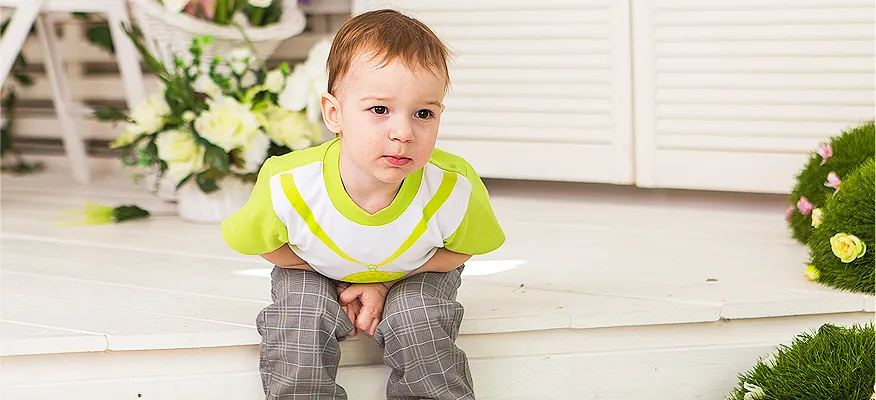
Every child’s bathroom habits are different — some go daily, while others might skip a day or two. But when does an irregular pattern become a concern?
As a parent, it’s natural to wonder if your child’s constipation is just a phase or a sign of something more serious.
Constipation isn’t just about how often they go; it’s also about how comfortable and effortless their bowel movements are. Straining, hard stools, or skipping multiple days could indicate that their digestive system needs a little help.
Understanding what’s normal for your child and spotting red flags early can make all the difference in keeping their gut health on track.
Constipation in children is a common yet distressing issue that can leave parents puzzled and concerned. From discomfort during bowel movements to irregular stool frequency, constipation symptoms often vary.
However, understanding what’s normal and when to worry is critical for ensuring your child’s overall health and well-being.
This blog explores the causes, signs, and solutions for childhood constipation, with a focus on gut health, probiotics, and simple remedies to ease the symptoms.
What is constipation and how does it manifest in children?
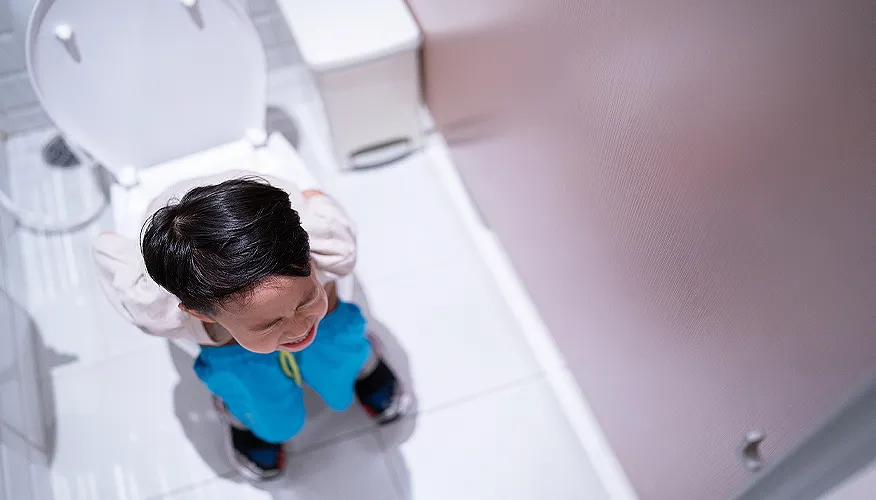
Constipation refers to the infrequent passage of stools, typically hard and dry, which can be painful or difficult to pass.
In children, it’s often linked to dietary changes, dehydration, or even emotional stress. Knowing the constipation symptoms can help you identify the condition early.
Common symptoms of constipation in children:
- Fewer than three bowel movements per week
- Hard, dry, or lumpy stools
- Straining or pain during bowel movements
- Abdominal bloating or discomfort
- Traces of stool in underwear (a sign of stool leakage)
If your child displays these symptoms consistently, it might be time to consider constipation treatment options, ranging from dietary changes to natural remedies.
Is it normal? Understanding frequency and patterns
Bowel movement frequency varies with age and diet. Infants might pass stools several times a day, while older children may only go once a day or even every other day. So, when are constipation symptoms a cause for concern?
- Newborn constipation: For infants, particularly those on formula milk for constipated infants, passing hard stools less frequently than usual could indicate a need for dietary adjustments.
- Toddler constipation: This age group often experiences constipation due to a lack of fiber or reluctance to use the toilet.
- Chronic constipation in Kids: If your child has persistent symptoms lasting weeks or months, it may signal an underlying condition that requires medical attention.
The role of gut health in constipation
A healthy gut plays a crucial role in preventing constipation.
The balance of good bacteria in the gut aids digestion and ensures smooth bowel movements. Disruptions in this balance can lead to constipation symptoms and related issues.
How to improve gut health in children
- Include gut-health foods such as fruits, vegetables, and whole grains.
- Add probiotics for kids, like yogurt or probiotic supplements, to their diet.
- Encourage adequate water intake to support hydration and stool consistency.
Probiotics: A natural solution for constipation
Probiotics are live bacteria and yeasts beneficial for gut health. They work by improving the balance of gut flora, which is essential for digestion and preventing constipation symptoms.
1. Benefits of probiotics for kids
- Enhance digestion and nutrient absorption
- Alleviate symptoms of constipation in kids
- Support overall immunity
2. Best probiotic foods for kids
- Yogurt with live cultures, like probiotics yogurt for kids
- Fermented foods like kefir or pickles
- Probiotic foods specifically formulated for children
For severe cases, probiotic supplements can provide additional support. However, knowing when to take probiotics and when to eat probiotics is crucial for maximizing their effectiveness.
Dietary changes to relieve constipation symptoms
1. Fiber-rich foods
- Adding fiber to your child’s diet can significantly ease constipation.
- Foods like oatmeal, apples, and leafy greens encourage healthy bowel movements by softening stool.
2. Hydration
- Ensure your child drinks plenty of water throughout the day.
- Dehydration is a common cause of constipation symptoms, as it makes stools harder and more difficult to pass.
3. Infant formula for constipation
- For babies experiencing neonatal constipation, certain formulas are designed to promote softer stools.
- Always consult a pediatrician before making changes to your baby’s diet.
Home remedies for constipation in kids
When dealing with constipation in kids, simple and effective home remedies can often provide relief without the need for immediate constipation medicine.
These approaches not only alleviate symptoms but also promote overall digestive health.
1. Massage
- A gentle abdominal massage can work wonders for easing constipation symptoms.
- Use your fingertips to make small, circular motions on your child’s tummy, moving in a clockwise direction.
- This technique helps stimulate the digestive tract and encourage bowel movements.
- For infants experiencing newborn constipation, massaging their lower abdomen gently can provide significant relief.
2. Encourage physical activity
- Physical activity is essential for maintaining healthy digestion.
- Simple exercises like running, jumping, or dancing can help stimulate bowel movements by enhancing intestinal contractions.
- Activities like yoga and stretching, specifically designed for children, are also excellent for improving gut health and preventing chronic constipation in kids.
3. Warm bath
- A warm bath not only soothes the body but also relaxes abdominal muscles, making it easier to pass stools.
- Adding a few drops of lavender or chamomile oil to the bathwater can provide additional relaxation and reduce discomfort caused by constipation symptoms.
4. Increase fiber and hydration
- Encourage your child to consume gut health foods such as prunes, pears, and leafy greens.
- These foods are rich in fiber and help soften stools naturally.
- Alongside fiber, ensure your child drinks plenty of water throughout the day to stay hydrated and support smoother digestion.
- For toddlers, offering fruit juices like pear or apple juice can also ease toddler constipation.
When to seek medical help for constipation symptoms
While many cases of constipation in kids resolve with home remedies and dietary adjustments, some situations require medical attention. Be on the lookout for the following warning signs:
- Blood in stools: Indicates potential tears or an underlying condition.
- Persistent abdominal pain: May signal severe blockage or another medical issue.
- Weight loss: Could point to malabsorption or other digestive problems.
- Symptoms lasting more than two weeks: Suggests chronic issues needing further investigation.
In these cases, consult a pediatrician for tailored constipation treatment.
A doctor might recommend safe probiotic supplements or prescribe appropriate constipation medicine to address severe symptoms effectively.
How to prevent constipation symptoms long-term
Preventing constipation symptoms in children requires consistent lifestyle and dietary practices.
These proactive measures not only help maintain regular bowel movements but also promote long-term gut health:
1. Regular toilet habits
- Encourage your child to use the toilet consistently each day, especially after meals.
- This helps establish a routine and prevents stool retention, which can lead to chronic constipation in kids.
2. Diet rich in prebiotics and probiotics
- Incorporate foods that support gut health, such as bananas, oats, and yogurt containing probiotics for kids.
- These foods balance the gut flora, aiding digestion and reducing the likelihood of constipation.
- For added support, consider prebiotics and probiotics for kids in supplement form, which have shown proven benefits in maintaining a healthy gut.
3. Stay hydrated
- Dehydration is one of the leading causes of constipation symptoms.
- Encourage your child to drink plenty of water throughout the day.
- For infants, consult your pediatrician about increasing fluids if they’re experiencing neonatal constipation.
4. Incorporate regular exercise
- Physical activity is a cornerstone of preventing constipation.
- Daily playtime or structured activities like swimming, cycling, or yoga improves digestion by keeping the intestines active.
- For toddlers, simple games that involve movement can be both fun and beneficial for their digestive health.
5. Probiotic supplement benefits
- Regular use of probiotic supplements can improve gut flora and prevent constipation in kids.
- Consult a healthcare professional to determine when to take probiotics and the appropriate dosage for your child.
By following these preventive measures, you can minimize the risk of constipation and ensure your child enjoys good digestive health for years to come.
Conclusion
Childhood constipation can be stressful for both parents and kids, but understanding the constipation symptoms and addressing them promptly can make all the difference. By focusing on gut health, dietary changes, and natural remedies like probiotics, you can ensure your child maintains a healthy digestive system. If symptoms persist, don’t hesitate to seek professional advice for tailored constipation treatment options.
Constipation doesn’t have to disrupt your child’s life. Armed with the right knowledge and tools, you can keep their digestive health on track and help them thrive