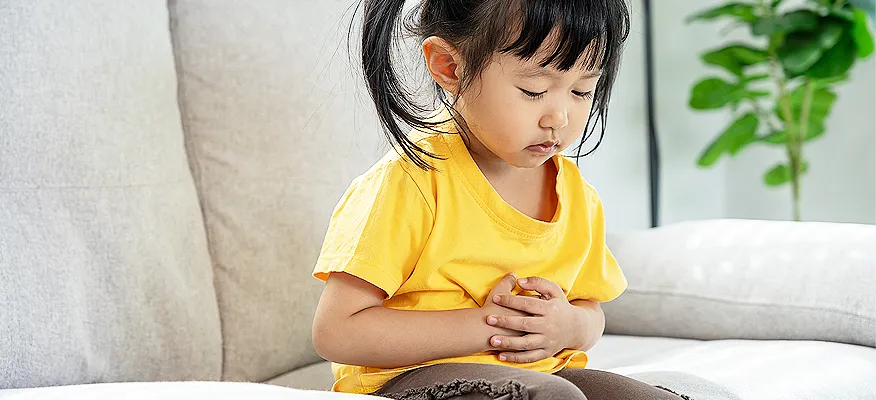
As a parent, there’s nothing more frustrating than seeing your child uncomfortable and not knowing how to help.
If you’ve ever watched your little one struggle with tummy troubles, spending extra time in the bathroom or avoiding it altogether, you’re not alone. Constipation is a common issue among children, but it’s not always easy to recognize — let alone talk about.
Many parents struggle to identify the signs early on, often mistaking them for temporary discomfort or picky eating habits.
The good news? With a little understanding, patience, and the right approach, you can help your child find relief and get back to feeling their best. This guide is here to help you identify constipation symptoms and navigate the common challenges of recognizing and treating constipation effectively.
Let’s get started.
Understanding constipation
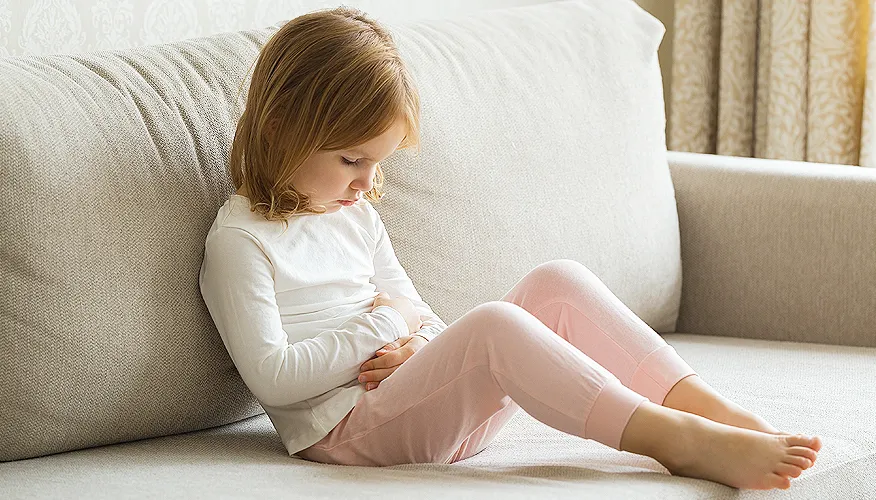
Constipation in children is a common yet often overlooked health concern that can significantly impact their daily lives.
From discomfort during bowel movements to unexplained tummy aches, constipation symptoms can manifest in various ways, leaving parents puzzled and worried.
Recognizing the difference between occasional digestive hiccups and persistent constipation can be the key to avoiding more significant issues down the road.
But here’s the challenge: constipation doesn’t always present itself in obvious ways.
Recognizing constipation symptoms in children
Understanding the signs of constipation in children can help parents address the issue promptly. While occasional digestive trouble is common, knowing when it’s a sign of something more serious is vital.
Common Constipation Symptoms
The most frequently observed symptoms of constipation in children include:
- Infrequent bowel movements: Fewer than three bowel movements a week can indicate constipation.
- Hard stools: Stools that are dry, hard, and challenging to pass are classic signs.
- Straining: Noticeable difficulty or pain during bowel movements.
- Bloating and gas: A swollen tummy or excessive gas may be related to constipation.
- Colic: Episodes of fussiness or crying, known as constipation colic, can sometimes be linked to digestive discomfort.
Frequent crying without apparent reason could also hint at newborn constipation.
Causes of constipation in children
Identifying the underlying cause is the first step toward effective management. Here are the causes:
1. Poor dietary habits
- A diet lacking fiber and rich in sugary or processed foods is a common culprit.
- Fiber helps in maintaining healthy bowel movements, and its deficiency often leads to constipation.
- Additionally, excessive sugar intake can disrupt digestion and exacerbate the problem.
2. Lack of hydration and physical activity
- Dehydration is a significant contributor to constipation, as insufficient fluid intake makes stools harder and more challenging to pass.
- Similarly, a sedentary lifestyle reduces bowel motility, increasing the risk of constipation.
- Encouraging kids to stay active can make a big difference.
3. Emotional and psychological factors
- Stress, anxiety, or major changes such as toilet training can impact a child’s bowel habits.
- Children may hold in their stools due to fear of pain or embarrassment, which can worsen constipation over time.
- Emotional health is closely tied to gut health, and stress can directly affect the digestive system.
4. Underlying medical conditions
- Sometimes, chronic constipation may signal deeper issues related to gut health.
- Conditions such as food intolerances, allergies, or imbalances in gut bacteria can lead to digestive problems.
Home remedies for constipation in kids
Here are some effective home remedies for constipation in kids that focus on diet, hydration, and physical activity.
1. Increase fiber-rich foods
- Adding more fruits, vegetables, and whole grains to your child’s diet is a simple and effective way to promote healthy digestion.
- Fiber helps soften stools and improves bowel movements. Options like apples, pears, broccoli, and oats are excellent choices for boosting fiber intake.
2. Encourage drinking plenty of water
- Proper hydration is essential for preventing and managing constipation.
- Water keeps stools soft and easy to pass. Encourage your child to drink water throughout the day, especially during meals and after physical activity.
3. Introduce gentle physical activities
- Physical movement helps stimulate the digestive system.
- Activities like walking, light play, or yoga designed for kids can make a big difference in promoting regular bowel movements.
4. Incorporate probiotic foods in to their diet
- Probiotics are natural, gut-friendly bacteria that help balance the digestive system.
- Including probiotic foods for kids, such as yogurt, kefir, or fermented vegetables, can support gut health and ease constipation.
- These foods are not only healthy but also tasty options that kids may enjoy.
5. Include gut-healthy foods
- Certain foods rich in prebiotics and probiotics can improve digestion and overall gut health.
- Bananas, flaxseeds, and avocados are great examples of gut health foods that aid in preventing constipation.
By focusing on these home remedies for constipation in kids, parents can often resolve mild constipation naturally.
Role of probiotics in relieving constipation
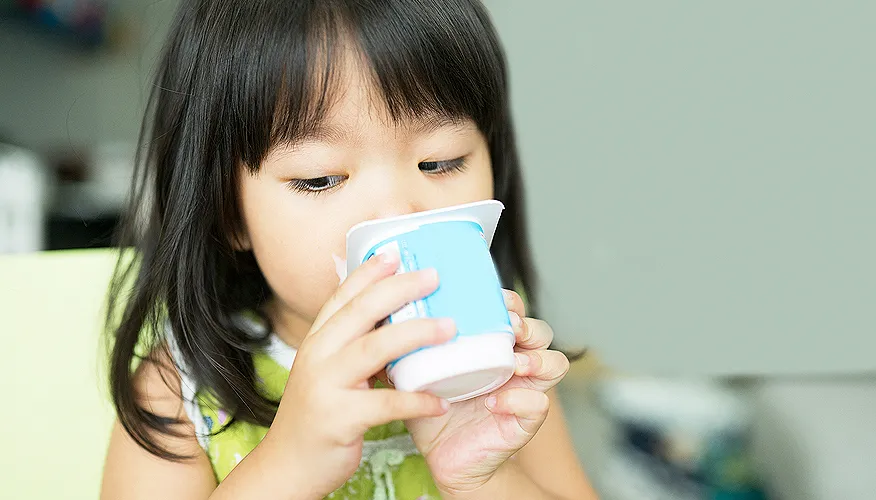
Probiotics are live, beneficial bacteria that support a healthy gut. Prebiotics, on the other hand, are the fibers that feed these good bacteria, ensuring they thrive in the digestive system.
Together, they play a vital role in maintaining gut balance and improving bowel health.
The benefits of probiotics for gut health are extensive. There are several ways to introduce probiotics into your child’s diet:
- Probiotics yogurt for kids: Yogurt fortified with live cultures is one of the best and most kid-friendly options. It’s nutritious and easy to incorporate into meals or snacks.
- Probiotic supplements: If dietary sources are insufficient, probiotic supplements designed for children can provide the necessary support. They are available in chewable or powder forms, making them convenient for parents.
- Prebiotics and probiotics for kids: Some products combine both prebiotics and probiotics, offering comprehensive gut health benefits in a single solution.
When to seek medical help for constipation in kids
While mild constipation symptoms can often be managed at home, there are times when medical attention is necessary. If your child complains of ongoing tummy pain or experiences severe discomfort during bowel movements, it may signal a deeper issue.
In severe cases, prescription drugs for constipation may be necessary to address underlying issues or provide temporary relief. These are typically used under strict medical supervision to ensure safety and effectiveness.
Understanding when to seek help and the available options for constipation treatment and constipation medicine ensures your child receives appropriate care. If your child’s symptoms persist, don’t hesitate to reach out to a pediatrician for guidance.
Tips for preventing constipation in children
Prevention is always better than cure, and with a few lifestyle adjustments, you can help your child avoid constipation symptoms altogether.
Here are some practical tips to promote healthy digestion and regular bowel movements.
1. Promote a balanced diet
- Encourage your child to eat a variety of fiber-rich foods, including fruits, vegetables, and whole grains.
- Adding foods with prebiotics and probiotics can significantly improve digestion.
- Understanding how to improve gut health is essential — prebiotics feed the good bacteria, while probiotics maintain a healthy gut balance.
2. Establish a regular toilet routine
- Train your child to use the toilet at regular intervals, especially after meals.
- This helps develop a predictable bowel habit and prevents the habit of withholding stools.
3. Encourage physical activity and hydration
- Daily physical activities, such as walking, playing, or simple exercises, stimulate bowel movements.
- Hydration is equally important, so make sure your child drinks plenty of water throughout the day to keep stools soft.
4. Incorporate probiotics at the right time
- Introduce probiotics into your child’s diet to support gut health. Wondering when to eat probiotics or when to take probiotics?
- Probiotics are best consumed with meals, as the food helps protect the good bacteria as they travel through the digestive system.
- Generally, the best time to take probiotics is during breakfast or lunch for maximum effectiveness.
Conclusion
Constipation in children is a common issue, but with the right approach, it can be effectively managed and even prevented.
Recognizing constipation symptoms early, understanding the role of probiotics in promoting gut health, and knowing when to seek medical help are key steps in ensuring your child’s comfort and well-being.
Your child’s digestive health is an important part of their overall happiness and growth—start taking steps today to keep it on track!