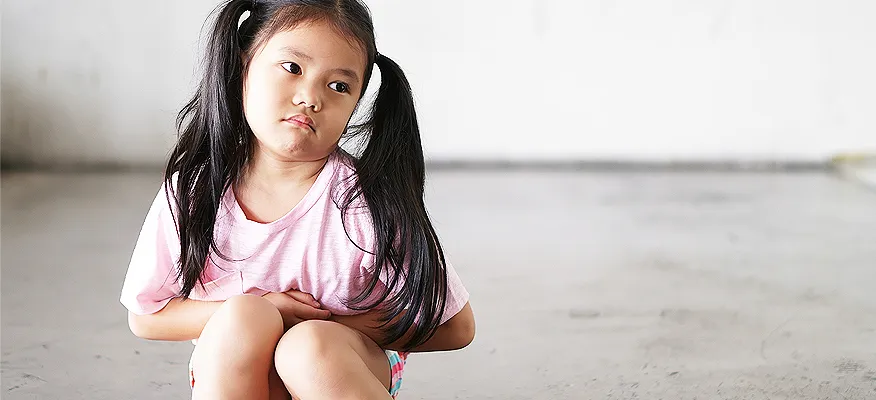
It starts with small signs — your child avoiding the bathroom, complaining of a tummy ache, or feeling cranky for no clear reason. At first, it might not seem like a big deal. But when the struggle to go becomes frequent, it could mean they’re dealing with constipation.
Tummy aches, crankiness, and those long, unproductive bathroom trips? No fun at all.
So, how can you help your little one find relief and keep things running smoothly?
From quick fixes to long-term habits, this guide will walk you through everything you need to know to treat and prevent constipation in kids.
Let’s get started!
Understanding constipation in kids

Constipation in children is a common health concern that, if left untreated, can cause considerable distress and long-term complications.
Characterized by infrequent bowel movements, pain, or difficulty passing stools, this condition often stems from dietary choices, lifestyle habits, or stress.
Addressing constipation in kids requires a proactive approach, including plant-based strategies and lifestyle alterations, to safeguard their gut health.
This comprehensive guide delves into the symptoms, causes, treatments, and preventive measures for managing constipation in children, ensuring they receive the proper, long-term remedy they deserve.
Recognizing constipation symptoms in children
Monitoring and identifying constipation symptoms early are vital to preventing discomfort and complications like constipation colic or fecal impaction.
Here are key indicators:
1. Infrequent bowel movements
- Less than three bowel movements weekly often indicate constipation in children.
- Dietary and hydration changes can disrupt regular bowel patterns.
2. Hard, dry stools
- Painful defecation and hardened stools result from prolonged stool retention in the colon, which absorbs excess water.
3. Abdominal pain and bloating
- Cramping and bloating occur due to accumulated stool and intestinal pressure.
4. Straining while defecating
- Children may strain or spend long periods attempting to pass stool, increasing the risk of anal fissures.
5. Soiling or stool leakage
- Stool leakage around hardened fecal matter may mimic diarrhea, signaling severe constipation.
6. Loss of appetite
- Intestinal pressure from stool buildup can lead to nausea and reduced food intake.
Causes of constipation in children
Constipation in kids can be triggered by various physical, psychological, and habitual factors.
Addressing these underlying causes is crucial for effective constipation treatment:
1. Dietary Factors
- Low Fiber Intake: Insufficient fruits, vegetables, and whole grains lead to hard stools.
- Excess Processed Foods: Snacks like chips and sugary beverages displace fiber-rich options, worsening gut health.
- High Dairy Consumption: Overindulgence in milk or yogurt may cause digestive discomfort.
2. Dehydration
- Lack of water makes stools hard and painful to pass.
- Active children often neglect hydration during play or school activities, heightening the risk of chronic constipation in kids.
3. Lack of Physical Activity
- A sedentary lifestyle slows intestinal movement, exacerbating constipation.
- Prolonged screen time reduces opportunities for physical activity, negatively impacting gut health.
4. Changes in Routine
- Starting School: Unfamiliar bathrooms or a reluctance to use public restrooms can lead to stool retention.
- Travel: Irregular schedules and meal times disrupt bowel patterns.
5. Stress and Anxiety
- Toilet Anxiety: Fear of using public or school restrooms may cause stool withholding.
- Emotional Upset: Stress from school, family, or social pressures can disrupt digestion, resulting in constipation symptoms.
Treatment and prevention guide
Here’s a detailed look into the treatment and preventive measure that can be taken in preventing constipation in children:
1. Fiber-rich foods
- Fruits: Apples, pears, and berries provide essential dietary fiber.
- Vegetables: Carrots, broccoli, and spinach add bulk to stools.
- Whole Grains: Oats, brown rice, and quinoa support regular bowel movements.
2. Avoid processed foods
- Limit snacks like chips and sugary drinks, which lack the nutrients needed for gut health.
3. Incorporate probiotics
- Probiotic supplements benefit gut health by balancing digestive bacteria.
- Probiotics yogurt for kids and fermented foods like kimchi improve digestion and reduce constipation.
4. Plant-based treatment options for constipation
Plant-based remedies are gentle, effective, and ideal for managing baby constipation and constipation in kids.
They provide natural relief without the risk of harmful side effects.
Here’s a closer look at some of the most effective options:
- Prune Juice: Known as a natural laxative, prune juice is rich in sorbitol and fiber, which work together to soften stools and make bowel movements easier. A small glass daily can significantly alleviate constipation symptoms in children.
- Chia and Flaxseeds: These tiny seeds pack a punch with their high fiber content and omega-3 fatty acids. Chia seeds, when soaked in water, form a gel-like substance that helps ease stool movement. Flaxseeds can be ground and added to smoothies, oatmeal, or baked goods to promote regular bowel movements.
- Bananas: Ripe bananas are an excellent source of dietary fiber and potassium, which support healthy digestion. They help improve stool consistency, making it easier for kids to pass stools without discomfort.
- Herbal Teas: Small amounts of chamomile or fennel tea can soothe bloating and alleviate symptoms of constipation colic. These teas also have mild antispasmodic properties that relax intestinal muscles and improve digestion.
- Warm Water: Starting the day with a glass of warm water helps stimulate bowel movements naturally. It activates the digestive system and can become a simple morning routine for children experiencing constipation.
By incorporating these home remedies for constipation in kids, you can address their digestive issues in a natural, effective way.
5. Importance of hydration in preventing constipation
Hydration plays a pivotal role in preventing and alleviating constipation symptoms.
Water softens stools, making them easier to pass, and supports overall gut health.
Here are ways to ensure proper hydration:
- Encourage regular water intake: Children should drink 6–8 cups of water daily to maintain adequate hydration levels. Water helps prevent stools from becoming hard and dry, reducing the risk of chronic constipation in kids.
- Coconut water: This natural drink is rich in electrolytes, making it a hydrating and gentle option for children. Coconut water also has mild laxative effects, which can assist in alleviating constipation symptoms.
- Fruit-infused water: If plain water isn’t appealing to your child, infusing it with slices of fruits like oranges, lemons, or strawberries can make it more flavorful and encourage regular hydration.
- Avoid sugary drinks: Beverages like sodas or artificially sweetened juices can have a dehydrating effect and worsen constipation. Replace these with probiotic foods for kids that aid digestion and improve gut health meaningfully.
Hydration is an easy yet critical step in maintaining a child’s digestive well-being.
6. Exercise and physical activity for digestive health
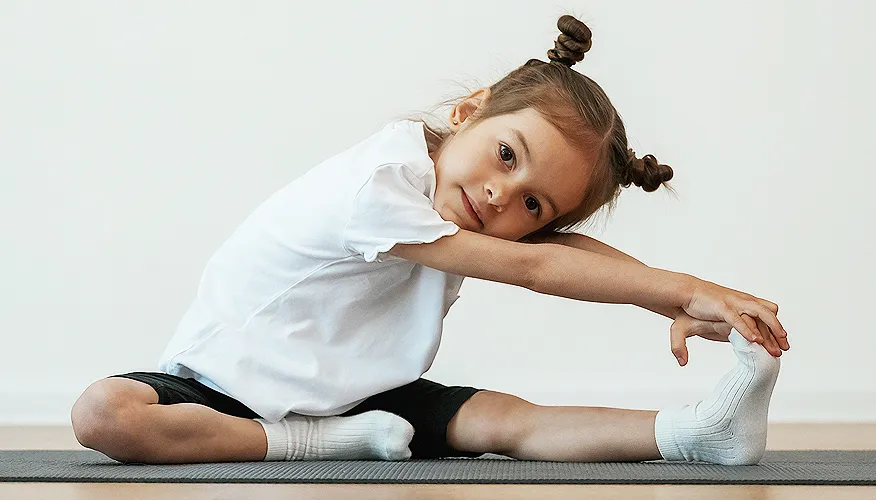
Physical activity not only supports overall health but also plays a vital role in promoting gut health and preventing constipation in kids.
Incorporate these fun and effective activities into your child’s routine:
- Outdoor games: Engaging in activities like cycling, running, or playing tag in the park stimulates intestinal movement and supports digestion. Encourage at least 30 minutes of outdoor play daily to keep constipation at bay.
- Yoga for kids: Simple yoga poses, such as the child’s pose, cat-cow stretch, and seated forward bend, enhance digestion and alleviate bloating. Yoga also helps children relax, reducing stress-related digestive issues.
- Walking: A brisk walk after meals is a great way to aid digestion. It prevents food from sitting in the stomach too long, which can lead to bloating and discomfort. Walking is a low-impact, accessible exercise that children can easily enjoy.
Integrating these activities into daily life promotes better gut health and helps prevent constipation in kids.
When to seek medical help
While natural remedies and lifestyle changes are effective for managing mild constipation symptoms, there are times when professional medical intervention is necessary.
Consult a pediatrician if:
- Persistent symptoms: Constipation continues for more than two weeks despite dietary and lifestyle changes.
- Severe pain or distress: The child experiences significant abdominal pain, bloating, or discomfort.
- Other concerning symptoms: Signs like blood in the stool, weight loss, or vomiting indicate a need for immediate attention.
In some cases, the pediatrician may recommend child-friendly constipation medicine, such as stool softeners or mild laxatives, to provide relief.
They may also assess underlying causes, ensuring the best treatment approach.
Conclusion
Constipation in children is a common but manageable issue that can often be resolved with simple lifestyle changes. A balanced diet rich in fiber, plenty of fluids, and regular physical activity play a key role in keeping their digestive system running smoothly. Encouraging healthy bathroom habits and ensuring a stress-free toilet routine can also make a significant difference.
Recognizing the signs of constipation early—such as infrequent bowel movements, difficulty passing stool, or complaints of stomach pain—allows for timely intervention. Addressing the issue sooner rather than later helps prevent discomfort and potential complications like chronic constipation or stool withholding.
If dietary and lifestyle adjustments don’t bring relief, consulting a healthcare provider is essential. They can recommend safe and effective treatment options, including mild constipation medicines when necessary, ensuring your child gets the right care for lasting digestive health.