
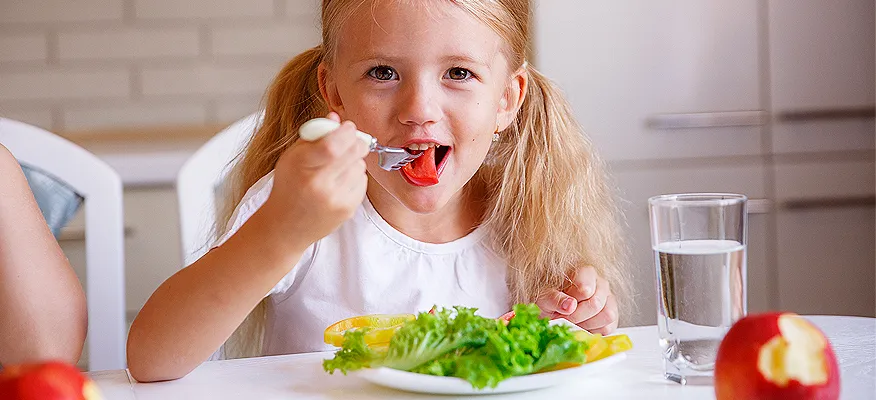
If you’ve ever watched your child struggle with constipation, you know how uncomfortable—and frustrating—it can be. The tummy aches, the endless bathroom trips with no results, the sudden refusal to even try. It’s tough on them, and let’s be honest, it’s tough on you too.
Constipation in kids is a common concern for parents, often causing discomfort, irritability, and even pain. While occasional constipation is normal, chronic constipation in kids can lead to more serious issues if left untreated. Fortunately, there are natural and safe home remedies for constipation in kids that can help alleviate the problem without relying on harsh medications.
This article explores effective natural solutions, including the use of probiotics, gut health foods, and other remedies to improve digestion and relieve constipation in children.
By focusing on plant-based, whole-food solutions, you can help your child maintain a healthy digestive system and avoid the discomfort of constipation.
Understanding constipation in kids
Before diving into remedies, it’s important to understand what causes constipation in kids.
When bowel motions become less frequent or more difficult to pass, it’s called constipation. Common causes include:
- Dietary factors: Lack of fiber, insufficient water intake, or consuming too many processed foods.
- Lack of physical activity: Kids who are less active may experience slower digestion.
- Stress or anxiety: Emotional factors can impact gut health and bowel movements.
- Medications: Constipation is an adverse effect of several medications.
It’s critical to identify the signs of constipation in youngsters. These might consist of:
- Infrequent bowel movements.
- Hard, dry stools.
- Straining or pain during bowel movements.
- Abdominal pain or bloating.
The role of gut health in preventing constipation
A healthy gut is essential for regular bowel movements.
Gut health refers to the balance of microorganisms in the digestive system, which plays a crucial role in digestion and overall well-being.
When the gut microbiome is imbalanced, it can lead to issues like constipation.
Here’s how to improve your child’s gut health:
- Include probiotic-rich foods: Yogurt, kefir, and fermented vegetables like sauerkraut can help maintain a healthy balance of gut bacteria.
- Add prebiotic foods: Prebiotics feed the good bacteria in the gut. Foods like bananas, garlic, onions, and whole grains are excellent sources.
- Avoid processed foods: Processed and sugary foods can disrupt gut bacteria and worsen constipation.
Natural home remedies for constipation in kids
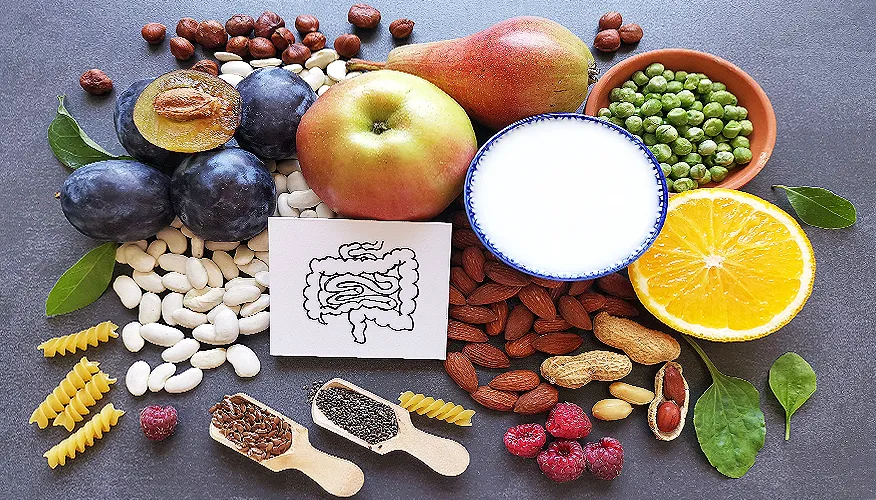
Here are some effective home remedies for constipation in kids that focus on natural, plant-based solutions:
1. Increase fiber intake
Regular bowel motions and a healthy digestive system depend on fiber. Include more fiber-rich foods in your child’s diet, such as:
- Fruits: Apples, pears, prunes, and berries.
- Vegetables: Broccoli, carrots, spinach, and sweet potatoes.
- Whole grains: Oats, brown rice, and whole-grain bread.
- Legumes: Lentils, beans, and chickpeas.
- Aim for at least 5 servings of fruits and vegetables daily to help soften stools and promote regularity.
- When it comes to probiotics, timing matters. Research suggests that the best time to take probiotics is on an empty stomach or before meals.
- This ensures that the beneficial bacteria reach the gut without being destroyed by stomach acid.
- For kids, consider giving probiotic supplements or foods like yogurt in the morning or before dinner.
2. Hydration is key
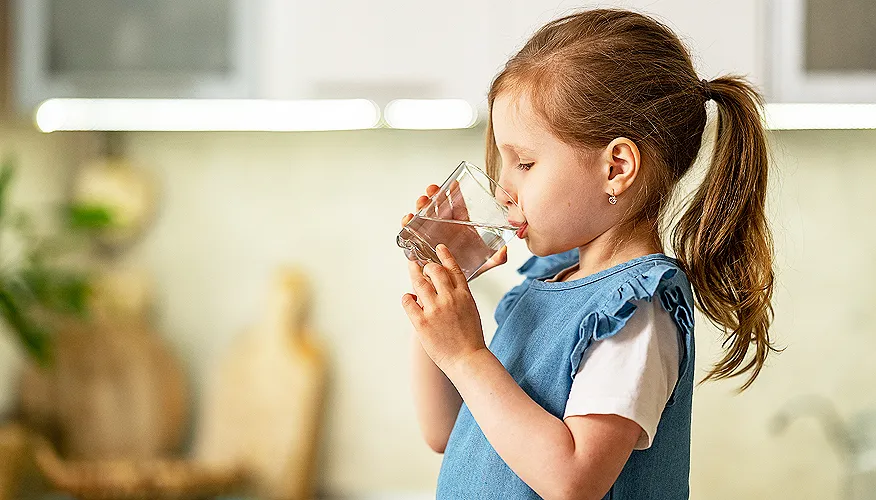
- Dehydration is a common cause of constipation.
- Make sure your toddler consumes a lot of water during the day. Herbal teas or diluted fruit juices can also help.
- Avoid sugary drinks, as they can worsen constipation symptoms.
3. Probiotics for kids
Probiotics are beneficial microbes that support gut health and improve digestion. Incorporating probiotic foods for kids can help regulate bowel movements.
Some excellent sources include:
- Yogurt: Select live-cultured yogurt that is plain and unsweetened.
- Kefir: Fermented milk beverage that is high in probiotics.
- Fermented vegetables: Sauerkraut or kimchi (in small amounts for kids).
- Probiotic supplements for kids: Consult a pediatrician before starting any supplements.
Studies show that probiotics can help alleviate constipation in children by balancing gut bacteria and improving stool frequency.
4. Prebiotics for kids
Prebiotics are indigestible fibers that support the beneficial microorganisms in the digestive tract.
Combining prebiotics and probiotics can enhance their effectiveness. Foods rich in prebiotics include:
- Bananas
- Garlic
- Onions
- Asparagus
- Whole grains
5. Encourage physical activity
- Regular exercise stimulates digestion and helps prevent constipation.
- Encourage your child to engage in activities like running, cycling, or playing outdoors for at least 30 minutes a day.
- Stress and anxiety can significantly impact a child’s digestive system, leading to constipation.
- Emotional stress can slow down digestion and cause the muscles in the digestive tract to tense up.
To help your child manage stress:
- Encourage open communication about their feelings.
- Create a calm and supportive environment at home.
- Incorporate relaxation techniques like deep breathing or gentle yoga.
6. Warm baths and massages
- A warm bath can help relax your child’s abdominal muscles, making it easier to pass stools.
- Gently massaging their belly in a clockwise motion can also stimulate bowel movements.
7. Natural laxatives
Certain natural foods can act as mild laxatives to relieve constipation in kids:
- Prunes or prune juice: Rich in fiber and sorbitol, which soften stools.
- Flaxseeds: Incorporate ground flaxseeds into cereal or smoothies.
- Chia seeds: Soak chia seeds in water and mix them into foods.
For infants, formula milk for constipated infants can sometimes contribute to constipation. If your baby is experiencing newborn constipation, consider switching to a formula that contains prebiotics and probiotics. These ingredients can help soften stools and improve digestion. Always consult your pediatrician before making any changes to your baby’s diet.
8. Establish a routine
- Encourage your child to use the bathroom at the same time each day, especially after meals.
- This keeps them from being constipated and helps control their digestive system.
When to seek medical help
While home remedies for constipation in kids are often effective, there are times when medical intervention is necessary.
Consult a pediatrician if:
- Constipation persists for more than two weeks.
- Your child experiences severe pain or bleeding during bowel movements.
- There are signs of newborn constipation or infant formula for constipation issues.
- Your child has other symptoms like vomiting, fever, or weight loss.
If your child struggles to get enough prebiotics and probiotics from food, consider supplements. Prebiotics and probiotics supplements are available in various forms, including chewable tablets, powders, and gummies.
Always consult your pediatrician before introducing any supplements to your child’s diet.
Preventing constipation in kids
Prevention is always better than cure. Here are some suggestions for keeping kids from being constipated:
- Eat a well-balanced diet full of foods that are good for your gut and high in fiber.
- Ensure your child stays hydrated.
- Encourage regular physical activity.
- Limit processed foods and sugary snacks.
- Monitor their bathroom habits and address any issues early.
Conclusion
Constipation in kids can be uncomfortable, but with the right home remedies for constipation in kids, you can help your child find relief naturally. By focusing on probiotics, gut health foods, and
other plant-based solutions, you can improve their digestion and prevent future episodes of constipation.
Keep in mind that each child is unique, so it could take some trial and error to determine the best treatments for your child. Do not be reluctant to seek medical advice if symptoms intensify or continue. With patience and care, you can help your child maintain a healthy digestive system and enjoy a happier, more comfortable life.