

Vaginal itching is something that nearly every woman will experience at some point. It may be embarrassing to discuss, but it’s very normal.
Whether the itch is minor or intense, the discomfort can rapidly become a nuisance in your daily life. If you’re looking for home remedies for vaginal itching, you’re not alone — and the good news is that there are soothing, effective ways to find relief naturally.
This blog will walk you through the reasons behind vaginal itching, stopping itching down there instantly, home remedies, when to visit a doctor, and tips on avoiding future irritation.
Why is my vagina itching?
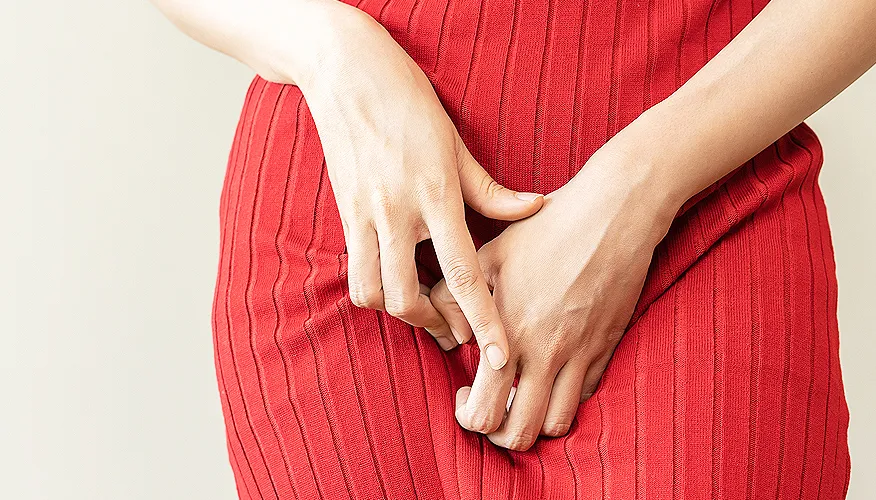
Vagina and vulva are sensitive spots and tend to respond to a vast variety of stimuli easily. Figuring out why your vagina is itching is the key to treating it effectively.
Common reasons are:
- Yeast infections – usually with thick, white discharge
- Bacterial vaginosis (BV) – can bring fishy-smelling discharge and discomfort
- Allergic reactions – due to soaps, bubble baths, or even laundry detergent
- Hormonal changes – particularly during pregnancy, menopause, or menstruation
- Wearing tight or synthetic underwear can trap sweat and chafe the skin
- Sexually transmitted infections (STIs) can lead to itchiness, burning, or rashes
- Poor hygiene or overwashing can disrupt the natural pH balance
At times, a chronic irritation is associated with vulvovaginitis, an inflammation condition of the vulva and vagina.
Being aware of the reason behind it makes you determine whether home remedies for vulvar itching and burning are sufficient or not, or whether you will require medical attention.
Home remedies for vaginal itching
If you’re wondering how to treat vaginal itching without rushing to the clinic, you’ll be glad to know many natural methods are both safe and effective.
1. Baking soda soak
- A sitz bath with baking soda is one of the most effective itchy vagina remedies.
- Mix half a cup of baking soda in warm water and soak for 15–20 minutes.
- It restores the pH balance and soothes inflammation, which is quite effective during home treatment of vulvovaginitis.
2. Cold compress
- If you must know how to relieve itching down there now, use a cold compress.
- Wrap ice in a clean cloth and hold it softly against the affected area for a few minutes. It soothes itching and swelling.
3. Plain yogurt
- A natural probiotic, unsweetened yoghurt may be used to restore normal vaginal flora.
- Use it as an external application or consume daily to encourage internal harmony. It’s a quick and effective home remedy for vaginal irritation.
4. Coconut oil
- Coconut oil is antifungal and calming.
- Place a small amount on the outside vaginal area to ease itching. It’s a good itch remedy for private parts caused by dryness or friction.
5. Apple cider vinegar rinse
- Combine equal parts apple cider vinegar and water and use it as a rinse.
- It is used to keep natural acidity in check and as a vulvar itching home remedy.
6. Aloe vera gel
- To soothe burning and inflammation, use pure aloe vera gel.
- It can be used safely on the skin and provides instant relief from burning, perfect for labia minora itching home remedies.
7. Hydrocortisone cream
- While not a natural remedy, hydrocortisone cream for vaginal itching might work in the case of allergic reactions or contact dermatitis.
- Apply it externally and sparingly only after consulting a physician.
These natural remedies for vulvar burning and itching can also treat itchy labia majora, itchy vaginal opening, and natural remedies for vaginal rash.
Bonus tip for pregnancy: For home remedies for pregnant itchy vagina, use only mild ones such as coconut oil, cold compresses, and cotton underwear. Refrain from using harsh creams unless under the advice of a physician.
8. Oatmeal Bath
- Oatmeal is known for its soothing, anti-inflammatory properties.
- Add a cup of plain, unscented oatmeal to warm bath water and soak for 15–20 minutes. It calms itching, especially if caused by irritation or sensitive skin.
9. Tea tree oil (Diluted)
- Tea tree oil has natural antifungal and antibacterial effects.
- Mix a few drops with a carrier oil (like coconut or olive oil) and apply externally. It’s especially helpful for itching related to yeast infections, but should always be diluted to avoid irritation.
10. Wear breathable cotton underwear
- While not a topical remedy, what you wear matters.
- Switch to 100% cotton underwear to allow airflow, reduce moisture, and prevent irritation— an easy, effective way to manage and prevent vaginal itching at home.
When to see a doctor
Home remedies can work their magic for minor cases, but professional assistance may also be required. Consult a doctor if:
- The itching persists beyond a week
- There is abnormal or smelly discharge
- You notice pain, swelling, or blisters
- OTC medicine for itchy private parts doesn’t help
- You suspect a yeast infection or STI
Don’t delay getting medical advice. Persistent itching could be a sign of a deeper issue that needs proper vaginal itching treatment or prescription medication.
Things to avoid
While seeking relief, make sure you’re not unknowingly making it worse. Avoid the following:
- Scented soaps, wipes, or feminine sprays
- Douching – it disrupts the natural flora
- Tight undergarments or panty liners for prolonged periods
- Sweaty gym attire worn for too long
- Scratching the region – it aggravates the itching
- Employing home remedies too often or forcefully
If you’re concerned about how to safely clean itchy vagina, use only lukewarm water and mild, fragrance-free soap on the external region.
Prevention tips
Prevention is the best approach to preventing frequent instances of itching. Practice these daily habits:
- Wear loose, cotton undergarments
- Practice good hygiene without overwashing
- Replace pads or tampons daily during menstruation
- Don’t use scented laundry detergents
- Keep dry – remove wet clothing as soon as possible
- Take probiotics daily
- Always pee after sex to avoid infection
- Practice safe sex to avoid STIs
These steps can help prevent itching in the private parts before it starts and decrease the need for frequent genital itching treatment.
Conclusion
Handling vaginal itching can be stressful, but with proper care, you can find quick relief and prevent future discomfort. From natural treatments for vaginal itching such as yoghurt and aloe vera to easy hygiene changes, the solutions are often in your own home.
If you’ve been asking yourself how to heal vaginal itching or seeking a great itching vagina home remedy, begin with these tips and heed your body’s needs. But if symptoms persist, don’t delay in contacting a healthcare professional.
Your comfort and confidence are important—don’t let itching hold you back from feeling at your best.