

You started taking iron supplements to boost your energy and fix those nagging symptoms of anemia — but now you’re dealing with nausea, constipation, or an upset stomach. Sounds familiar?
Iron supplements are essential for many, but they can come with some frustrating side effects that make sticking to them a challenge. The good news? With the right approach, you can minimize discomfort and make iron supplementation work for you.
Iron supplementation is an essential treatment for people suffering from iron deficiency and anemia. Millions of individuals worldwide rely on iron supplements to restore their iron levels and improve their overall health. However, while these supplements are effective, they are also known to cause a range of side effects, including digestive issues, nausea, and constipation.
Despite the side effects of iron tablets, their benefits in treating iron deficiency far outweigh the drawbacks. The key is to manage these side effects effectively so that you can continue taking the supplements without unnecessary discomfort.
In this blog, we’ll explore why iron supplementation is necessary, the different types of iron supplements available, the most common iron supplement side effects, and how to minimize them.
We will also discuss when to seek medical attention and why iron supplements remain crucial for health despite potential side effects.
Understanding iron deficiency and the need for supplements
Iron is a vital mineral that plays a critical role in producing hemoglobin, the protein in red blood cells that transports oxygen throughout the body.
Without enough iron, your body cannot produce sufficient healthy red blood cells, leading to iron deficiency anemia.
Common causes of iron deficiency
Iron deficiency occurs due to several factors, including:
- Inadequate dietary intake – A diet low in iron-rich foods can lead to a deficiency over time.
- Blood loss – Heavy menstruation, internal bleeding (e.g., ulcers, hemorrhoids), or frequent blood donation can result in iron loss.
- Increased iron needs – Pregnant women and growing children require more iron.
- Poor iron absorption – Conditions like celiac disease, Crohn’s disease, and gastric bypass surgery can reduce the body’s ability to absorb iron.
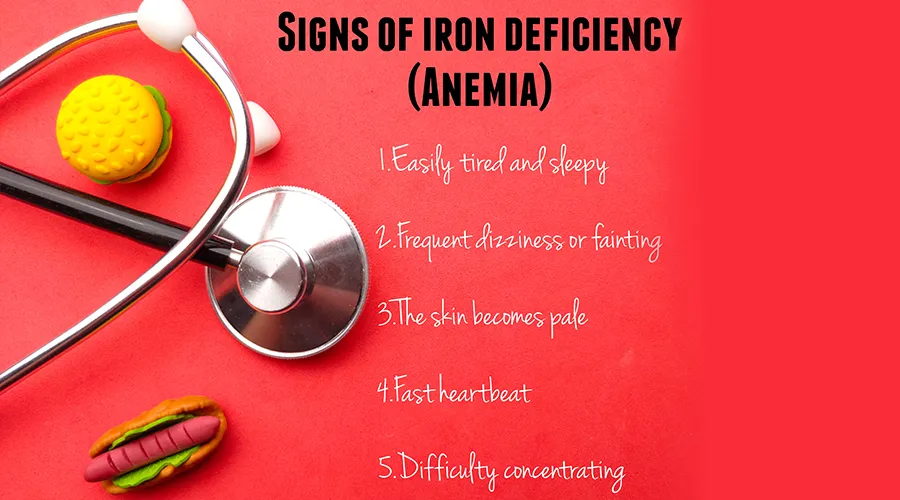
Symptoms of iron deficiency
Many people don’t realize they have iron deficiency until they experience noticeable symptoms, such as:
- Chronic fatigue and weakness
- Dizziness and headaches
- Shortness of breath
- Pale or sallow skin
- Cold hands and feet
- Brittle nails and hair loss
- Poor concentration and brain fog
If left untreated, iron deficiency can impact daily life, weaken the immune system, and lead to severe health complications.
Types of iron supplements
Not all iron tablets are the same. Different types of iron supplements are available, each with varying absorption rates and side effect profiles.
1. Ferrous Sulfate
This is the most commonly prescribed iron supplement. It is cost-effective and widely available but is known to cause constipation, nausea, and stomach pain.
2. Ferrous Fumarate
Another popular form, ferrous fumarate, contains a high percentage of elemental iron. However, ferrous fumarate side effects include gastrointestinal distress, such as bloating, constipation, and acid reflux.
3. Ferrous Gluconate
This form contains less iron per dose but is gentler on the stomach, making it a good choice for people prone to digestive issues.
4. Iron Bisglycinate
This chelated form is highly bioavailable and less likely to cause digestive discomfort, making it a preferred choice for many.
5. Liquid iron supplements
Liquid iron is absorbed quickly and is less likely to cause constipation but can stain teeth if not taken properly.

Common iron supplement side effects
1. Constipation
One of the most common side effects of iron tablets is constipation, as iron slows down bowel movements.
2. Nausea and stomach pain
Iron can irritate the stomach lining, leading to discomfort, nausea, or even vomiting in some cases.
3. Dark Stools
Iron supplements often cause stools to appear black or dark green, which is harmless but can be alarming.
4. Diarrhea
While constipation is more common, some individuals experience diarrhea due to iron supplementation.
5. Metallic Taste
A lingering metallic taste in the mouth is a less common but reported side effect.
Ferrous fumarate side effects
Ferrous fumarate is a popular iron supplement because of its high elemental iron content. However, ferrous fumarate side effects can include:
- Severe constipation
- Abdominal cramping
- Heartburn and acid reflux
- Temporary teeth staining (in liquid form)
- Gastrointestinal discomfort
People who experience these side effects may need to adjust their dosage or switch to a different type of iron supplement.
Managing the side effects of iron tablets and pills
If you experience discomfort while taking iron pills, here are some strategies to manage the side effects:
1. Take iron with food
Although iron is best absorbed on an empty stomach, taking it with food can help reduce nausea and stomach irritation.
2. Increase fiber intake
To prevent constipation, eat fiber-rich foods like fruits, vegetables, whole grains, and legumes.
3. Stay hydrated
Drinking plenty of water helps soften stools and prevent constipation.
4. Use a stool softener
If constipation becomes severe, consult your doctor about using a stool softener or mild laxative.
5. Try a different iron supplement
If side effects persist, switching to a gentler form, such as iron bisglycinate or ferrous gluconate, may help.
How to minimize iron supplement side effects
To minimize iron supplement side effects, follow these tips:
1. Stick to the recommended dosage
Taking more iron than necessary increases the risk of side effects.
2. Split the doses
Instead of taking one large dose, split your supplement into two or three smaller doses throughout the day.

3. Pair iron with Vitamin C
Vitamin C improves iron absorption and reduces the amount of unabsorbed iron in the gut.
4. Avoid calcium, tea, and coffee
Calcium, coffee, and tea can interfere with iron absorption. Take iron supplements at least two hours apart from these substances.
5. Consider slow-release capsules
Slow-release iron capsules release iron gradually, which may reduce digestive side effects.
When to seek medical advice
While side effects of iron tablets are usually mild, seek medical attention if you experience:
- Severe constipation lasting more than a few days
- Intense stomach pain, vomiting, or nausea
- Black, tarry stools (a sign of internal bleeding)
- Dizziness or rapid heartbeat
- Signs of an allergic reaction (rash, swelling, difficulty breathing)
The benefits of iron supplementation despite side effects
Even with possible side effects, iron supplementation offers numerous health benefits, including:
- Increased energy levels
- Improved brain function and concentration
- Better oxygen circulation
- Stronger immune system
- Healthier skin, hair, and nails
Proper management of side effects ensures you can continue benefiting from iron supplementation without discomfort.
Conclusion
Iron supplements are crucial for managing iron deficiency and preventing anemia.
While iron supplement side effects like constipation, nausea, and stomach discomfort are common, they can be managed effectively through dietary adjustments and smart supplementation practices.
Choosing the right type of iron tablets, taking them correctly, and making lifestyle modifications can minimize discomfort. If you experience persistent or severe side effects, consult your healthcare provider for alternative solutions.
Despite the potential side effects, the benefits of iron supplementation make it a vital component of maintaining overall health.