
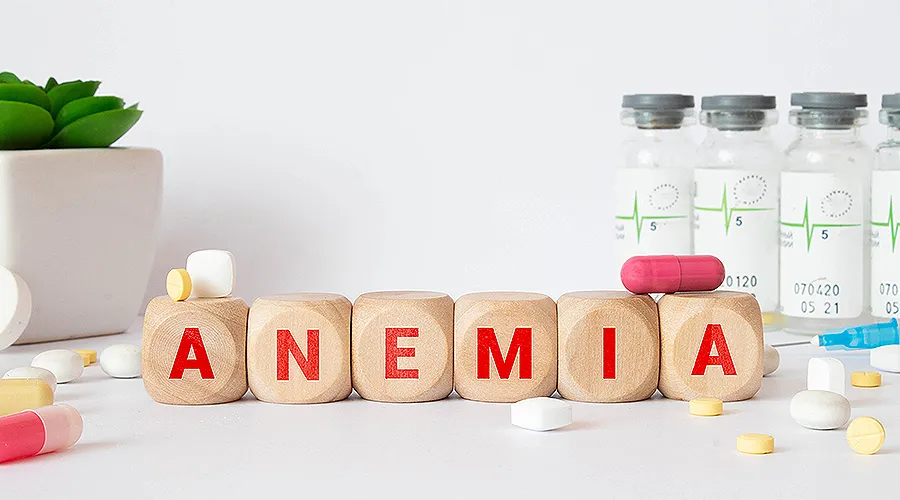
Some days, no matter how much you sleep, you still wake up feeling drained. Your body feels heavier, simple tasks leave you breathless, and even your mind struggles to keep up. You chalk it up to a busy schedule, stress, or maybe just not eating right. But what if there’s more to it?
Anemia is often an unseen culprit, slowly sapping your energy, dulling your focus, and even affecting your mood. It’s not just about feeling tired—it’s about your body struggling to get the oxygen it needs.
You might think that eating iron-rich foods is enough, but sometimes, your body doesn’t absorb iron efficiently or needs more than diet alone can provide. That’s where iron supplements come in—not as a replacement for good nutrition, but as a necessary boost to help restore balance and vitality.
Now that you are on iron supplements, you are expecting to feel better in a week or two — only to find that fatigue still lingers, and your energy isn’t bouncing back as quickly as you hoped.
Frustrating, right? But here’s the thing: rebuilding iron levels isn’t an overnight fix. Your body needs time to produce healthy red blood cells, and that process takes around 120 days — the lifespan of a red blood cell.
In this blog, we’ll explore why this timeline matters and how you can support your body through the process.
Understanding the role of iron in your body
Iron isn’t just another dietary mineral—it’s a cornerstone of our health.
Packed into every red blood cell, iron is the driver of hemoglobin that carries oxygen to every corner of your body, fueling your energy, sharpening your focus, and fortifying your immune system.
When hemoglobin levels drop, everything from your stamina to your mental clarity takes a hit, leading to the dreaded drag of iron deficiency anemia.
But the importance of iron stretches across life stages and lifestyles. For anyone feeling frequently fatigued or under the weather, or for those who manage their health through diet and exercise, understanding and managing iron intake can be a game-changer.
Iron supplements play a crucial role in oxygen transport, energy production, and overall well-being. But when you’re deficient, simply eating more iron-rich foods won’t bring instant results.
The key is consistency. Sticking with iron supplements for at least four months allows your body to replenish iron stores, generate new red blood cells, and restore energy levels.
Importance of the 120-day iron consumption plan
The 120-Day Iron consumption plan is critically important for effectively managing and treating iron deficiency and iron deficiency anemia.
This period is strategically chosen because it corresponds to the natural lifecycle of red blood cells (RBCs), which typically circulate in the bloodstream for about 120 days.
Here’s why this specific timeframe is significant:
1. Complete red blood cell renewal
- Consuming iron for 4 months allows for a full cycle of renewal of the red blood cells.
- Since RBCs carry iron in the form of hemoglobin, which is essential for transporting oxygen to various parts of the body, a 120-day supplementation plan ensures that all RBCs, even those nearing the end of their lifecycle, are replenished with adequate iron to function effectively.
2. Stabilization of hemoglobin levels
- Consistent iron intake over this duration helps in stabilizing hemoglobin levels across all the new RBCs being produced.
- This is vital for maintaining the oxygen-carrying capacity of the blood, crucial for overall health and energy levels.
3. Replenishment of iron stores
- Besides just correcting the hemoglobin levels, a 120-day plan also focuses on replenishing the body’s iron stores, particularly in the liver and bone marrow.
- These stores provide a reserve from which the body can draw iron as needed, crucial for the times of increased demand or decreased dietary intake.
4. Monitoring and adjustment
- This timeframe also allows healthcare providers to monitor the patient’s response to iron therapy and make necessary adjustments in dosage.
- Iron levels can be periodically checked to ensure that they are within a healthy range without reaching toxic levels, which can be harmful.
5. Sustainable health benefits
- By covering the lifespan of multiple generations of red blood cells, the 120-day plan not only addresses immediate symptoms of iron deficiency but also promotes long-term health benefits.
- This sustained approach helps in improving physical energy, cognitive function, and overall vitality.

The 120-day iron consumption plan
The 120-Day Iron Consumption Plan is more than just a timeframe — it’s a strategic approach to effectively replenish and stabilize the body’s iron stores and hemoglobin levels.
Why 120 days/4 months? This period aligns closely with the natural lifecycle of red blood cells (RBCs), which last about 120 days in the bloodstream.
During this cycle, iron plays a critical role in forming new hemoglobin, the oxygen-carrying component of RBCs, ensuring that each cell can perform its vital functions throughout its lifespan.
When someone is diagnosed with iron deficiency anemia, it means they have low hemoglobin levels to support normal RBC production, leading to fewer and less efficient RBCs.
Starting an iron supplementation plan over 120 days is crucial because it covers the lifespan of these cells, allowing new, healthier RBCs to form as older ones are naturally phased out.
This continuous support ensures that each generation of RBCs can better contribute to overall health, carrying adequate oxygen to tissues and organs.
The process of iron supplementation involves several stages:
- Initial replenishment: During the early days of supplementation, the focus is on increasing the hemoglobin content of existing RBCs and providing the iron necessary to produce new RBCs. This is particularly critical for immediate improvements in symptoms like fatigue and weakness.
- Stabilization: As the treatment progresses, iron levels start to stabilize, supporting the ongoing production and maintenance of RBCs. Regular monitoring during this phase helps to adjust dosage to ensure optimal iron levels without reaching toxicity.
- Maintenance: Toward the end of the 120 days, the focus shifts to maintaining the replenished iron stores and ensuring that the body’s iron needs are met sustainably. This might involve adjusting dietary intake or continuing with lower doses of supplements.
Supplementing iron for a full 120-day cycle ensures that the entire RBC population, from the oldest to the newest, benefits from the improved iron availability.
This comprehensive approach helps to confirm the effectiveness of the iron therapy and makes necessary adjustments based on follow-up blood tests.
It’s a thorough method to not only address immediate deficiencies but also to promote long-term health and well-being.
Monitoring and evaluating treatment progress over 120 days
During consuming iron for 4 months under the iron supplementation plan, healthcare providers employ a systematic approach to monitor and evaluate the effectiveness of the treatment.
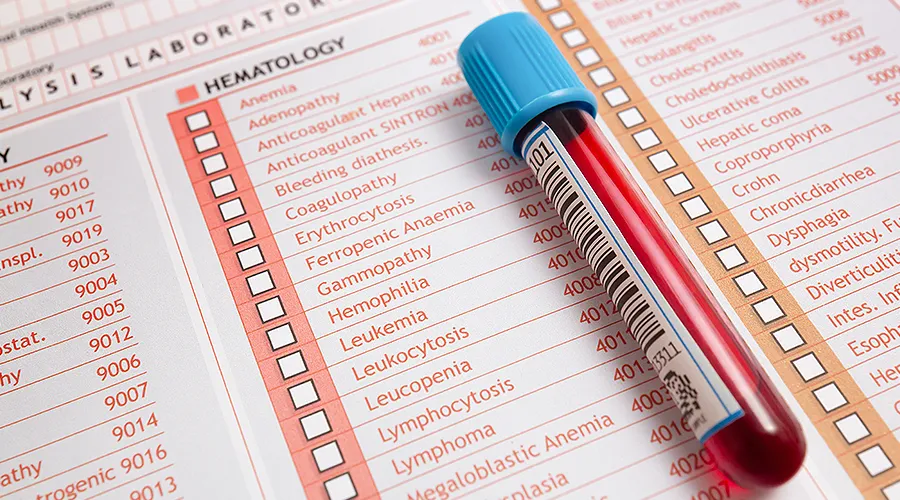
This monitoring is crucial to ensure that the iron levels are being restored to a healthy range without causing any adverse effects. Here’s a look into how this process typically unfolds:
- Initial assessment: Before starting supplementation, a comprehensive evaluation is conducted.
- Scheduled blood tests: Throughout the 120 days, scheduled blood tests are conducted at regular intervals. These are typically done at the outset, mid-point (around 60 days), and at the end of the treatment period (120 days).
- Monitoring ferritin and hemoglobin levels: Ferritin levels give a good indication of the body’s iron stores, while hemoglobin levels are directly related to the body’s capability to transport oxygen. Effective iron supplementation should show a gradual increase in these levels, moving towards normal ranges defined for age, gender, and health conditions.
- Evaluating symptoms: Alongside empirical data from blood tests, healthcare providers also monitor the symptomatic improvement in patients. Symptoms of anemia such as fatigue, pallor, and general weakness should ideally begin to diminish as the treatment progresses and iron levels are restored.
- End of treatment assessment: At the end of 120 days, a final evaluation is conducted to determine the overall success of the treatment.
- Long-term planning: Post the 120-day supplementation, long-term plans are discussed like dietary modifications, lifestyle changes, or periodic monitoring of iron levels.
Conclusion
After completing a 120-day/4 month iron supplementation regimen, individuals often experience significant health improvements, including increased energy levels, reduced fatigue, and enhanced physical and mental performance.
The normalization of hemoglobin levels improves oxygen transport across the body, which not only alleviates symptoms like paleness and shortness of breath but also boosts muscle function and cognitive clarity.
Moreover, such supplementation can support immune function, leading to fewer infections and an enhanced ability to recover and heal.