
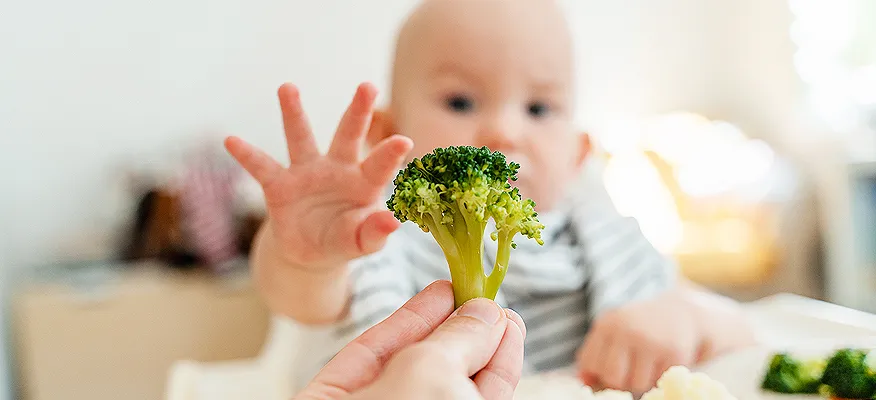
The transition from milk to solid foods is one of the most exciting phases of a baby’s growth. It marks the beginning of independence, curiosity, and learning around food. But this stage is about far more than simply filling a tiny tummy. Introducing finger foods for babies creates opportunities for development that go well beyond nutrition.
These small, manageable bites encourage babies to explore food at their own pace. As they pick up, taste, and experiment with different textures, they begin to develop coordination, confidence, and a sense of control over eating. From soft fruits and cooked vegetables to bite-sized grains, finger foods transform mealtimes into moments of discovery.
Introducing finger foods is not just a convenient feeding method. It is a developmental milestone that supports lifelong skills related to eating, movement, and self-regulation. Let’s explore why finger foods for babies can make a meaningful difference to their growth, health, and confidence.
Why finger foods matter in baby development
Finger foods are about much more than taste. They engage a baby’s senses, strengthen coordination, and help build confidence around eating. When babies feed themselves, they actively participate in the process, turning mealtimes into learning experiences rather than passive feeding sessions.
According to the American Academy of Pediatrics, early opportunities to self-feed support long-term healthy eating habits. Babies learn to respond to their own hunger and fullness cues, laying the foundation for a balanced relationship with food as they grow.
Building fine motor skills
When babies first begin finger foods, they often use their whole hand to grab food, a movement known as the palmar grasp. Over time, this evolves into the pincer grasp, where the thumb and forefinger work together to pick up smaller pieces. This progression is an important part of fine motor development.
Handling finger foods strengthens the small muscles in a baby’s hands and fingers. These skills later support everyday activities such as holding a pencil, buttoning clothes, or tying shoelaces. According to HealthyChildren.org, supported by the American Academy of Pediatrics, self-feeding plays a key role in developing coordination and control during early childhood.
Encouraging chewing and swallowing
Finger foods introduce babies to the act of chewing in a gentle, age-appropriate way. While purees require minimal oral movement, soft finger foods encourage babies to use their gums and emerging teeth, helping strengthen jaw muscles and improve oral coordination.
Chewing also stimulates saliva production, which supports digestion and prepares babies for more complex foods later on. Babies who practise chewing early often transition more smoothly to family meals as they grow, adapting more confidently to different textures and consistencies.
Independence at the table
Finger foods offer babies one of their first opportunities to exercise independence. By choosing what to pick up and how much to eat, babies begin to develop awareness of hunger and fullness.
This sense of control helps build trust between parent and child during mealtimes. Research suggests that babies who are encouraged to self-feed may develop better appetite regulation as toddlers, which can support healthier eating patterns later in life.
Helping prevent picky eating
Early exposure to a variety of textures and flavours may reduce the likelihood of picky eating later on. Babies who experience different foods through finger feeding are more likely to accept a wider range of tastes as they grow.
Introducing fruits, vegetables, grains, and proteins in age-appropriate forms helps shape positive food experiences. While not every food will be accepted right away, repeated exposure builds familiarity and reduces resistance over time.
Supporting social and emotional growth
Mealtimes are social experiences. When babies eat finger foods alongside family members, they observe, imitate, and participate in shared routines. This interaction strengthens emotional bonds and supports social learning.
Child development experts note that shared meals help children practise patience, communication, and cooperation. These skills extend beyond eating and contribute to overall emotional development and confidence.
Nutrition benefits of finger foods
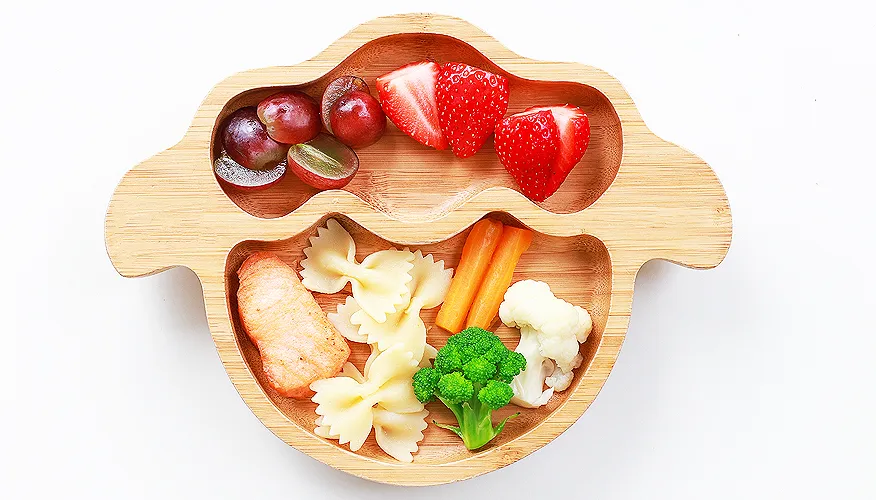
Finger foods provide an opportunity to offer balanced nutrition in a natural, engaging way.
- Small portions of fruits, vegetables, grains, and proteins supply essential vitamins, minerals, fiber, and healthy fats.
- Soft avocado pieces offer healthy fats that support brain development. Cooked carrots and sweet potatoes provide vitamin A, which is important for vision and immunity.
- Scrambled eggs contribute protein and choline, while soft fruits add vitamin C. Together, these foods help fill nutritional gaps that purees alone may not address, as highlighted by NHS feeding guidelines.
Practical tips for parents
Parents can make finger foods safe and enjoyable with a few simple practices.
- Foods should be cut into small, manageable pieces and cooked until soft enough to be mashed with gums.
- Introducing one food at a time helps monitor for allergies, and close supervision during meals is essential.
- Mess is part of the learning process. Some babies may spend more time touching or playing with food than eating it, especially in the beginning. This exploration is valuable and should be encouraged with patience and calm reassurance.
Top healthy finger foods for babies
Nutritious finger foods can be both simple and versatile.
- Soft fruits such as ripe bananas, avocado, or steamed apple and pear pieces are easy to hold and gentle on gums.
- Steamed vegetables like carrots, broccoli florets, and sweet potato cubes provide important nutrients when cooked until very soft.
- Whole grains such as small pieces of well-cooked pasta, soft rice balls, or whole grain toast fingers introduce texture and energy.
- Protein options like scrambled eggs, shredded chicken, or soft lentil patties support growth and muscle development. These foods help babies practise chewing, grasping, and self-regulation in a safe and supportive way.
When and how to introduce finger foods safely
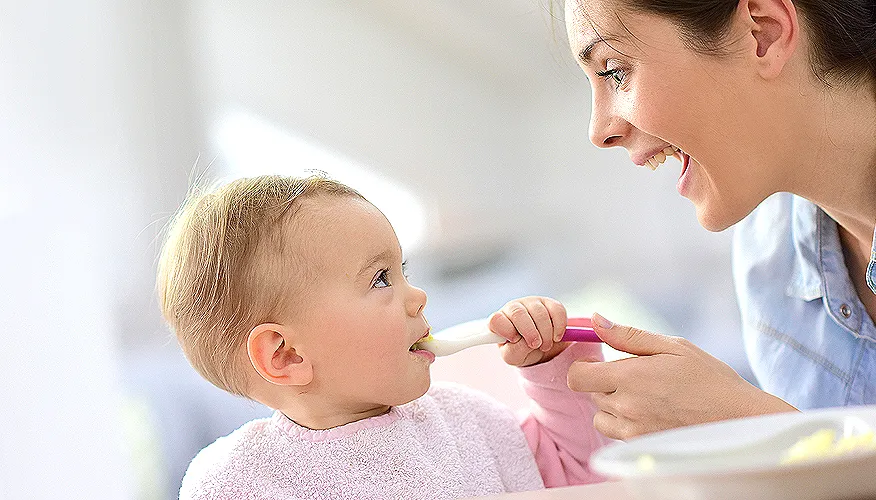
Most babies are ready for finger foods between eight and ten months, though readiness depends more on development than age. Babies who can sit without support, hold their head steady, and pick up small objects are usually prepared to explore finger foods.
Safety is essential. Foods should be soft, cut into small pieces, and offered one at a time. Parents should always supervise eating and avoid choking hazards such as whole nuts, grapes, popcorn, or hard raw vegetables. Gagging is a normal part of learning to chew and is different from choking, but knowing basic first aid can offer peace of mind.
Sharing meals as a family also helps. Babies learn by watching adults eat, making mealtimes a valuable opportunity to model healthy habits.
Conclusion
Finger foods for babies are more than a step toward self-feeding. They form the foundation for healthy eating habits, motor development, and confidence at the table. By allowing babies to explore food with their hands, parents support curiosity, coordination, and independence.
The colours, textures, and flavours babies experience now influence how they relate to food in the years ahead. With nutritious options, patience, and a calm mealtime environment, finger foods can become a joyful and meaningful stage of growth. Embrace the mess, celebrate the progress, and enjoy watching your baby thrive — one tiny handful at a time.