
As your little one begins their journey into solids (usually around 6 months), grains can be a gentle, nutritious, and familiar starting point. They’re easy to prepare, kind on tiny tummies, and packed with the goodness growing babies need.
Among the very first foods many parents look to introduce are cereals and not only cereals, but wholesome, healthy ones. In many Southeast Asian and African homes, a baby’s first taste of solid food often comes in the form of soft rice porridge, mashed millet, or a warm spoonful of oats. These humble grains have nourished generations—and for good reason!
If you’re trying to determine which grain-based options are safe, nutritious, and easy to digest, you’re on the right page. From whole grain oatmeal for babies to whole grain cereal for toddlers, there are more than enough options that foster your child’s growth and development.
In this blog, we’ll guide you through when to introduce grains, why they’re important, which ones are best, and how to prepare them.
Whether you’re seeking the best baby cereal for 4 months or wish to delve into whole grain crackers for baby, we’ve got you covered.
Let’s dig in—grain by grain.
When can babies start eating grains?
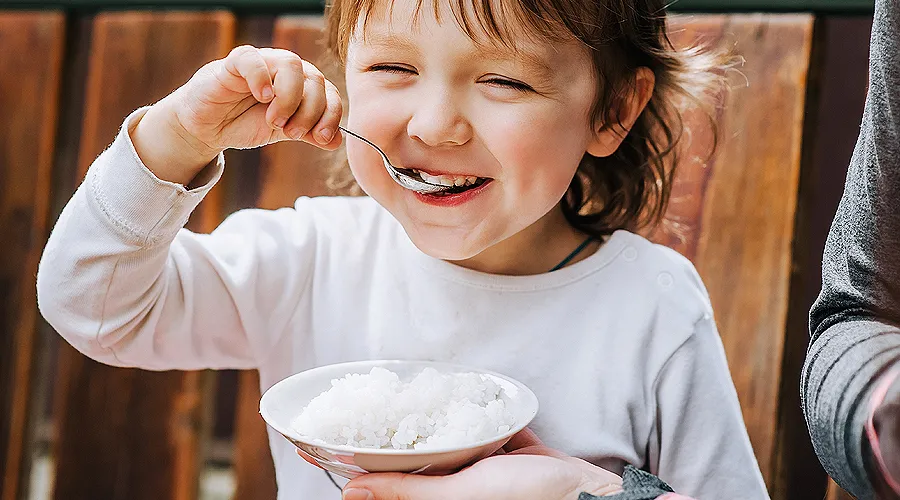
Babies usually become ready to begin solids between 4 to 6 months of age, based on their signs of development. This is when you will begin to hear about the best baby cereal to start with, usually single grain baby cereal such as rice or oatmeal. These cereals are simple to digest, iron-fortified, and wonderful for beginners.
If your baby is closer to 4 months, opt for something mild, such as a baby rice cereal recipe made with breastmilk or formula. Around 5 months, choices such as rice cereal for 5 month baby or iron cereals for babies are usually suggested by paediatricians.
By the time your baby is 6 months old, they should be able to tolerate trying more variety, like whole grain oatmeal for infants, barley, or even millet, and it will make it simpler to switch to a broader diet down the line.
Why grains matter for infants
Grains—whole grains in particular—are a very important part of your baby’s diet. They are an excellent source of:
- Iron, preventing anemia and facilitating brain development. That’s why so many parents opt for iron-enriched cereals early on in life.
- Fiber, with benefits for digestion and keeping tummies, and small tummies, in particular, content.
- B Vitamins, maintaining energy metabolism as well as a healthy skin complexion.
- Complex carbs, yielding gradual energy.
Fortified infant cereal such as rice or oat mixtures assists in filling the nutritional gap, particularly because a baby’s iron stores start to deplete around 6 months of age. Adding organic baby cereal or homemade mixtures ensures you’re providing your baby nutrient-rich choices without preservatives or added sugars.
Best grains for babies
There are many good healthy grains for babies, but some are better than others depending on the age, nutritional content, and ease of digestion:
1. Rice
Rice is usually the best baby cereal for 4 months. It is gentle to digest and will not initiate allergy. One basic baby rice cereal recipe is finely ground rice cooked in water or formula.
2. Oats
Oats are an excellent whole grain with high fiber and iron content. Whole grain oatmeal for infants is perfect from 6 months and can be pureed or mixed with mashed fruits.
3. Barley
Barley is slightly chewy in texture and is best suited for babies from 7–8 months and above. It’s wonderful for baby cereal 9 months when they are ready for textured food.
4. Quinoa
Rich in iron and protein, quinoa may be introduced at 8 months. Combine with fruits or vegetables for a balanced meal.
5. Millet and Wheat
They are healthy grains but need to be introduced a little later (approximately 9–10 months). Whole grain infant cereals contain wheat in easily chewable textures such as whole grain crackers baby.
If you prefer ingredient control and freshness, homemade baby cereal made with these grains is a wonderful choice.
How to prepare grains for babies
When introducing grains, keep things simple. Start with single-grain recipes and slowly add texture and variety as your baby matures.
How to make baby oatmeal cereal
Here’s a fast recipe:
- Grind ½ cup rolled oats to a fine powder.
- Boil 1 cup of water.
- Mix in the oat powder and heat for 5–7 minutes, stirring constantly.
- Let cool and blend with breastmilk or formula.
This homemade baby cereal is gentle to digest and can be tailored by adding mashed bananas, applesauce, or a sprinkle of cinnamon.
In the same way, you can make a baby rice cereal recipe by grinding rice very finely and boiling it in water until it is soft and smooth. These are great base recipes for babies who are just beginning solids.
As your baby becomes older, you can add other grains such as quinoa or millet, cook them until they are soft, and puree or mash them to a baby-appropriate consistency.
Sample grain meal ideas by age
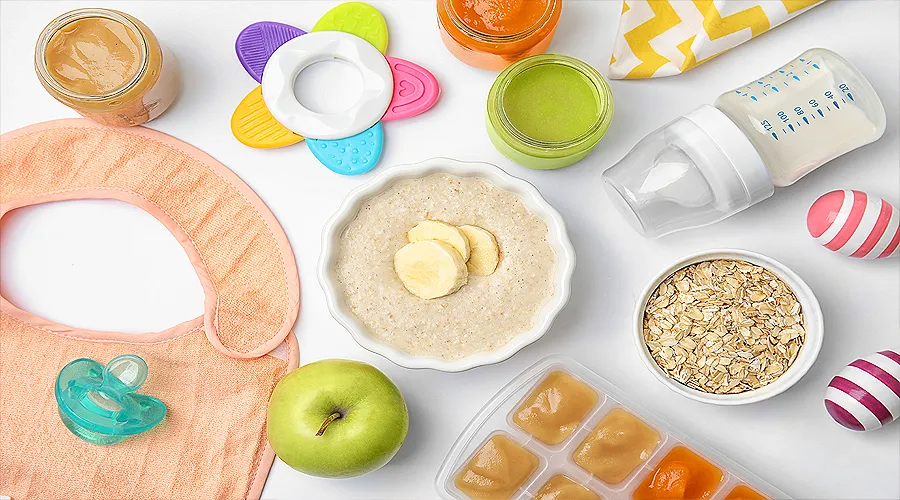
Here’s a brief age-by-age guide to adding grains:
4-6 months
Begin with smooth-textured baby food cereal. Try:
- Best baby cereal to start with: Iron-fortified rice or oat cereal
- Thin consistency with formula or breastmilk
6-9 months
Add more variety and slight texture:
- Cereal for baby 9 months can have quinoa, barley, or mashed oats
- Mix with mashed fruits (such as bananas or pears) for extra nutrition
- Rice congee: Soft-boiled rice thinned with breast milk or water.
- Uji (East Africa): Smooth, fermented porridge made from millet or sorghum flour.
- Millet porridge (South Asia): Finger millet cooked into a smooth paste, rich in calcium and iron.
9-12 months
This is the time when babies can start self-feeding:
- Serve baby mini whole grain crackers
- Provide soft-cooked finger foods such as wheat pasta or soft rice cakes
- Use whole grain cereal for toddlers with milk or yoghurt (unsweetened)
- Soft ogi + mashed beans (Nigeria/Ghana) – Fermented corn or millet porridge paired with mashed legumes.
- Brown rice + pumpkin mash (Thailand/Vietnam) – Steamed rice mixed with soft veggies.
- Boiled sweet potato + millet (Kenya/Uganda) – Nutrient-packed and gently sweet.
- Oats + mashed pawpaw or mango (tropical twist) – Creamy and full of natural flavor.
At this point, your child can indulge in grains in playful, creative ways — consider soft muffins made from organic baby cereal or oat pancakes topped with mashed fruits.
Conclusion
Adding grains to your baby’s diet is a great way to nourish their growth, give them vital nutrients, and instill them with a healthy food love early in life. From the best baby cereal at 4 months to whole grain cereal for toddlers, the secret is to begin simply and expand your baby’s grain universe slowly.
Prepping your own homemade baby cereal means you get to give your baby the freshest ingredients. From whole grain oatmeal baby cereal to simple baby rice cereal recipe, to iron-fortified cereals for babies, there’s a healthy grain that fits every stage and age.
Let their journey to solids be fun, messy, and abundant with whole foods that power their playtime as well as development.