

As a parent, it’s normal to get concerned when your baby hasn’t pooped for some time or shows discomfort during defecation.
Constipation among babies is actually more prevalent than you would think, and though it’s often not serious, it can be stressful for the baby and caregiver alike. The best news? There are a myriad of safe and effective baby constipation home remedies that can coax things back to normal, naturally.
Whether you’re searching for a baby constipation solution, or wondering how to make a newborn poop, this blog will guide you through everything you need to know.
What is constipation in babies?
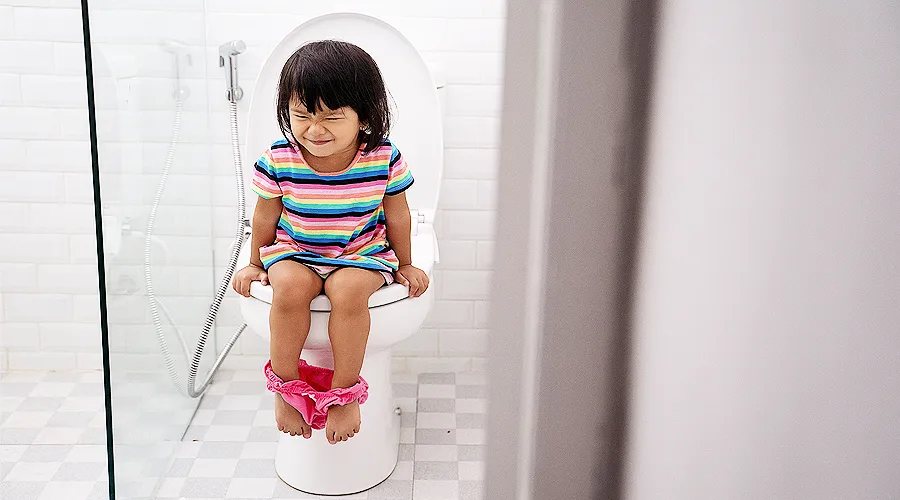
Babies’ constipation is infrequent, hard, or painful bowel movements.
Unlike adults, a baby’s bowel movement schedule varies greatly based on the baby’s age, diet, and activity. For instance, breastfed infants can go days without defecating and are still okay, while formula-fed babies can defecate every day but still be constipated.
The trick is to watch for any deviation from your baby’s normal pattern, particularly if they appear uncomfortable. Knowing how to make newborn poop and what to look for can give you the confidence to respond.
Common causes of constipation in babies
Some of the most common culprits behind constipation in babies are:
- Formula feeding: Formula is harder to digest than breast milk, which can lead to harder stools.
- Starting solids: Adding solids, particularly iron-fortified cereals, to the diet can cause constipation in infants at about 6 months. If you’re experiencing 6-month-old baby constipation remedies, it might be time to consider their new diet.
- Low fluid intake: Inadequate fluid intake will harden stools.
- Lack of movement: The less active the baby, the slower the bowel movement.
- Medical conditions: In some cases, conditions such as food allergy or thyroid conditions can lead to constipation.
Understanding these reasons can assist you in determining the appropriate baby constipation solution for your infant.
Signs a baby is constipated
Constipation in a baby is not the same as in an older child. Monitor for the following signs:
- Straining when having a poop
- Crying or pain when pooping
- Dry, hard, or pellet stool
- Less number of poops than normal
- A hard or bloated belly
- Reduced appetite or refusing feeds
If you’re searching for how to relieve constipation in babies quickly, recognizing these symptoms early is crucial.
Natural home remedies for baby constipation
Here are some trusted and gentle home remedies for baby constipation and gas that many parents find helpful:
1. Tummy Massage
Gently rubbing your baby’s tummy in a clockwise circle can stimulate the digestive tract and push stool through the intestines. It’s a natural and effective way to make newborn poop.
2. Warm Bath
A warm bath relaxes stomach muscles and can help ease pain, prompting your baby to poop. Try bathing your baby before bed to unwind their system.
3. Bicycle Legs
Place your baby on their back and bicycle their legs. This aids in gas and can stimulate a bowel movement—a simple solution for parents who are wondering how to get a newborn to poop.
4. Fruit Purees
If your infant is having solids, pureed prunes, pears, or apples can serve as natural baby stool softener home remedies. These fruits contain fiber and work to bulk up and soften stools.
5. Hydration
For infants above 6 months, providing a small amount of water or fruit juice diluted (such as prune or pear juice) can aid in relieving constipation. This is a favorite 6-month-old baby constipation solution.
6. Rectal Stimulation
If your infant has not gone for a while, stimulate the anus gently with a warm, moist cotton tip. This will initiate the reflex to push—something many parents find in trying to get their newborn to poop.
7. Modifying Their Diet
Be mindful of foods that can cause constipation, such as bananas, rice cereal, and carrots. If you’re researching baby constipation food, avoid these when your baby is backed up and try high-fiber alternatives like peas, peaches, or spinach.
What to avoid
While it’s tempting to try anything when your baby is uncomfortable, there are certain things to steer clear of when using constipation in toddlers home remedies or remedies for infants:
- Don’t give over-the-counter laxatives unless prescribed by your pediatrician.
- Avoid suppositories unless your doctor recommends them.
- Never give babies herbal teas, honey, or homoeopathic remedies without medical guidance.
- Don’t overdo fruits like bananas or applesauce, which can worsen constipation.
If you’re trying a home remedy for constipation in a 1-year-old baby or a 2-year-old baby constipation home remedy, stick to water, fruits, and fiber-rich foods.
When to see a doctor
Occasionally, home remedies don’t cut it. Call your pediatrician if:
- Your baby hasn’t had a bowel movement in over 3–5 days
- You see blood in the stool
- Your baby is vomiting or has a distended belly
- They appear to be in extreme pain or distress
Even with the best baby constipation home remedies, medical attention may be required in some situations.
Final tips for preventing constipation in babies
Here are some everyday habits that can help maintain your baby’s bowels in good order and regularity:
- Gently move and encourage tummy time every day
- Have a regular feeding routine
- Add new foods gradually in small amounts
- Hydrate your baby (if they are old enough)
- Monitor for early signs of constipation and act fast
Many parents also wonder how to make baby poop daily, and the answer lies in a combination of routine, diet, and gentle physical stimulation.
Conclusion
Dealing with a constipated baby can be tough, but rest assured—most cases can be treated naturally at home with simple baby constipation remedies. Whether you’re dealing with a newborn or a 1-year-old, using these baby constipation home remedies can bring relief without the need for medication.
Always trust your instincts and consult your doctor when in doubt. With patience, love, and a few gentle techniques, you’ll soon figure out how to help baby poop and keep their digestive system happy and healthy.