
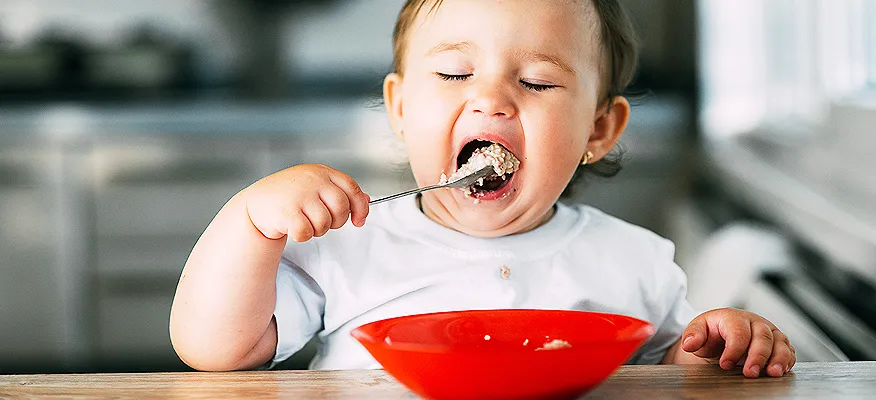
When introducing solids, many parents start with oatmeal because it feels safe, gentle, and nourishing. But as babies try new foods, it’s natural for questions to arise — especially around food reactions. One concern that often comes up is can baby oatmeal cause allergies, and whether oatmeal is always as harmless as it seems.
While oatmeal is not considered a common allergen, some babies may show sensitivities or reactions when first introduced to it. In many cases, the issue isn’t the oats themselves, but factors like digestive readiness or gluten cross-contamination during processing. Understanding what’s normal, what’s rare, and what signs to watch for can help parents introduce oatmeal with confidence rather than worry.
Knowing how and when to offer oatmeal, recognising early symptoms, and choosing the right type of oats can make this first-food experience both safe and positive — for babies and parents alike.
Why oatmeal is a common first food
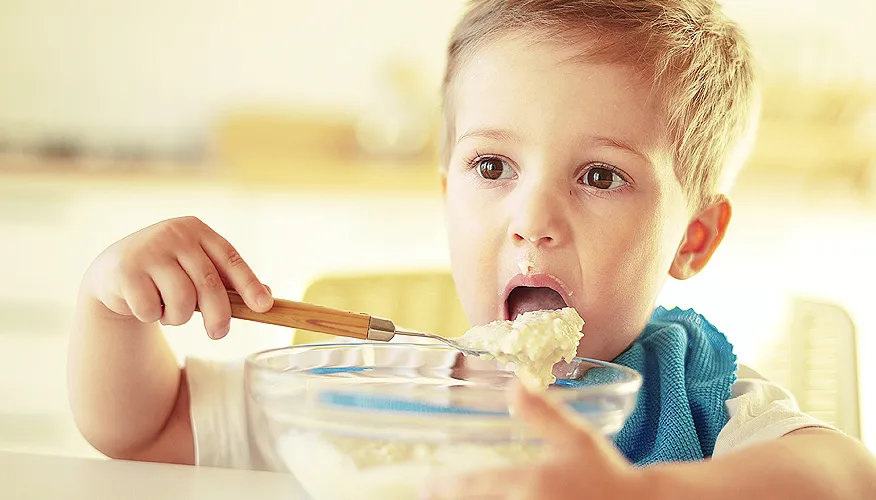
Oatmeal is often one of the first solid foods parents introduce to babies, and for good reason. It has a naturally soft texture when cooked, making it easy for babies to swallow and gentle on developing digestive systems. Oatmeal is also versatile, allowing parents to adjust thickness as babies grow more comfortable with solids.
From a nutritional standpoint, oatmeal provides complex carbohydrates that offer steady energy, along with fibre that supports digestion. It also contains important minerals such as iron and magnesium, which are especially valuable during a baby’s rapid growth phase. Because oatmeal is neutral in taste, it pairs well with fruits or vegetables, helping babies gradually explore new flavours without overwhelming their palate.
Can oatmeal cause allergies in babies?
Oatmeal itself is not considered a common allergen, and most babies tolerate it well. True oat allergies are relatively rare compared to allergies caused by foods such as milk, eggs, peanuts, or wheat. However, some babies may show sensitivity or intolerance rather than a true allergy.
In certain cases, reactions occur not because of oats themselves, but due to contamination with gluten-containing grains during processing. This is particularly relevant for babies with a family history of celiac disease or gluten sensitivity. While oats do not naturally contain gluten, they are often processed in facilities that handle wheat, barley, or rye.
Common symptoms of an oatmeal allergy
When a baby reacts negatively to oatmeal, symptoms can vary in severity. Mild reactions may include redness around the mouth, rashes, or increased fussiness after feeding. Some babies may experience digestive symptoms such as vomiting, diarrhea, gas, or abdominal discomfort.
More noticeable reactions can include swelling of the lips or face, hives, or persistent eczema flare-ups. In rare cases, breathing difficulties or extreme lethargy may occur, which require immediate medical attention. It is important to remember that these symptoms can also be linked to other causes, so observing patterns over time is key.
Cross-contamination and gluten concerns
One of the most common concerns with oatmeal is gluten exposure through cross-contamination. Although oats are naturally gluten-free, many commercially available oat products may come into contact with gluten during harvesting or packaging.
For babies who are at risk of gluten sensitivity or celiac disease, choosing certified gluten-free oats can help reduce this risk. Parents should always check labels carefully and introduce new foods slowly, especially when there is a known family history of food sensitivities.
How to introduce oatmeal safely

- Oatmeal can usually be introduced once a baby is ready for solids, typically around six months of age.
- It should be prepared as a smooth, well-cooked cereal with a thin consistency for beginners.
- As babies become more confident eaters, the texture can gradually be thickened.
- When introducing oatmeal, it’s best to offer it on its own for the first few days. This makes it easier to identify any reactions.
- Parents should start with small amounts and observe their baby during and after feeding. Mixing oatmeal with breast milk, formula, or water can help maintain a familiar taste and texture during early feeding stages.
What to do if your baby has a reaction
If a baby shows mild symptoms after eating oatmeal, such as a rash or digestive discomfort, it is best to stop offering the food and monitor symptoms. Parents should document what was eaten and when symptoms appeared, as this information can be helpful for healthcare providers.
If symptoms persist, worsen, or include breathing difficulties, swelling, or repeated vomiting, medical attention should be sought immediately. A paediatrician or allergist can help determine whether the reaction was due to oats, cross-contamination, or another ingredient.
Alternative grains for sensitive babies
For babies who do not tolerate oatmeal well, there are several alternative grains that can be introduced safely.
- Rice cereal, millet, quinoa, and buckwheat are commonly used options that are naturally gluten-free and gentle on digestion when prepared properly.
Each new grain should be introduced individually, following the same slow and observant approach. Offering a variety of grains not only supports nutritional diversity but also helps babies become more accepting of different tastes and textures as they grow.
Conclusion
Oatmeal is a popular and practical first food for many babies because of its soft texture, nutritional value, and versatility.
While most babies tolerate oatmeal well, it is important for parents to be aware of potential sensitivities and gluten-related concerns. Introducing oatmeal slowly, observing reactions carefully, and choosing high-quality products can help ensure a positive feeding experience.
Every baby responds differently to new foods. By staying informed and responsive to your baby’s cues, you can create a safe and confident approach to introducing solids—one spoonful at a time.