

Babies’ digestive systems are still developing, which means changes in feeding, fluids, and routines can quickly affect their bowel movements. It’s normal for stool patterns to shift from week to week — and sometimes those shifts lead to harder, less comfortable stools.
If you’re unsure whether what you’re seeing is true constipation or just a normal change in stool patterns, our guide on [What Is Constipation in Babies?] explains how to tell the difference based on stool texture and your baby’s comfort.
Understanding the most common causes of constipation can help you respond early and avoid unnecessary worry.
Understanding constipation in babies
Constipation in babies means more than just fewer dirty diapers. It is when stools become hard, dry, and difficult to pass.
A breastfed baby may go several days without pooping and still be healthy if the stool is soft. Formula-fed babies usually have more regular patterns, but even they can experience constipation at times (American Academy of Pediatrics).
Parents should focus less on frequency and more on how comfortable their baby is when passing stools.
If your baby seems uncomfortable, it may also help to review the typical signs of constipation — including stool appearance and straining — in our [What Is Constipation in Babies?] article before making any changes.
Formula feeding and constipation
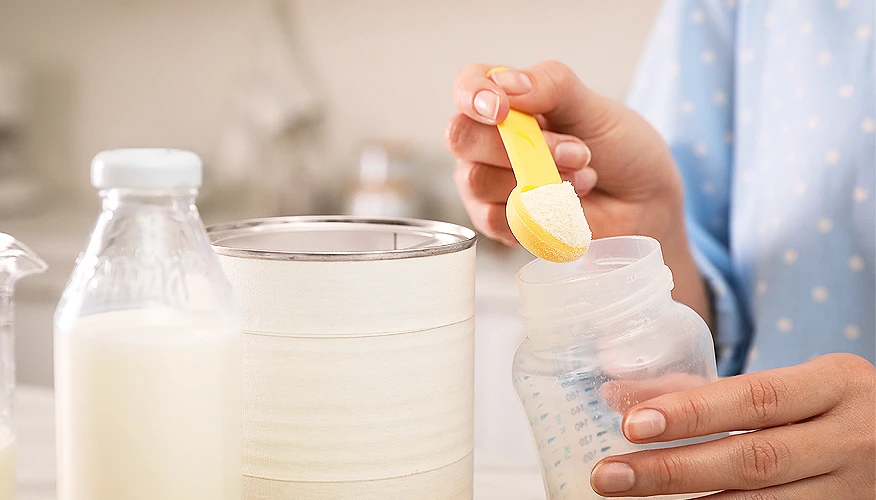
One of the most common triggers of constipation is formula feeding. Formula is harder to digest than breast milk because it has more proteins and less natural laxative effect. Some babies adjust quickly, while others develop harder stools.
Sometimes, switching brands or trying a hydrolyzed formula helps. However, changes should always be done under pediatric guidance (Cleveland Clinic).
Transition to solid foods
The introduction of solid foods often brings constipation. Rice cereal, bananas, and applesauce are common first foods but are low in fiber and can firm up stools.
To ease this, pediatricians often suggest adding high-fiber options such as:
- Pureed prunes
- Mashed pears
- Cooked peas
- Oatmeal cereal instead of rice cereal (Mayo Clinic)
These foods add bulk and soften stools, making bowel movements easier.
Dehydration and fluid intake
When babies do not get enough fluids, their ls dry out and become harder to pass. This is especially true for babies who are starting solids, as their hydration needs increase.
Signs of dehydration include:
- Fewer wet diapers than usual
- Darker urine
- Dry lips or mouth
Babies under 6 months get sufficient hydration from the breast milk or formula that they consume, but after 6 months, parents can start giving them small amounts of water along with their meals (World Health Organization).
Cow’s milk and digestive issues
Introducing cow’s milk too early or in large amounts can cause constipation. Infants younger than one year should not be given cow’s milk because it is difficult for their digestive systems to handle and may interfere with iron absorption (NIH).
Even older toddlers may experience firmer stools if they drink too much milk. It’s generally recommended by experts that consumption of cow’s milk by toddlers should be limited to 450-700 ml per day to avoid constipation and anemia (American Academy of Pediatrics).
Food sensitivities and allergies
Some babies develop constipation as a reaction to food sensitivities or allergies. Dairy is a common culprit, but soy and wheat can also play a role (Cleveland Clinic).
In these cases, constipation may be accompanied by other symptoms like rash, vomiting, or excessive fussiness. Keeping a food diary can help identify triggers, but any suspected food allergy should be discussed with your pediatrician.
Less common medical causes
While rare, some medical issues can cause constipation in babies. These include:
- Hypothyroidism: Low thyroid hormone can slow digestion.
- Hirschsprung’s disease: A condition where part of the colon lacks nerve cells, making it hard to pass stool.
- Spinal cord problems: Sometimes linked to severe constipation.
If your baby has chronic constipation along with vomiting, poor weight gain, or abdominal swelling, further medical evaluation may be needed (Mayo Clinic).
When to talk to your doctor

Most cases of constipation are mild and resolve with dietary adjustments. But call your pediatrician if your baby:
- Has had hard stools for more than a week.
- Cries excessively or seems in pain while pooping.
- Passes blood in stools.
- Refuses food or has vomiting along with constipation.
- Has a swollen or firm belly.
These could signal a more serious issue that needs medical attention.
Conclusion
In most cases, constipation in babies is temporary and linked to everyday changes such as formula use, starting solids, or not getting enough fluids.
If you’re ever unsure whether what you’re seeing is normal or true constipation, your starting point should be [What Is Constipation in Babies?], which explains how to recognize constipation clearly and what steps to take first.
Every baby’s digestive system is different, so what works for one child may not work for another. When in doubt, your pediatrician is your best resource for keeping your baby comfortable and healthy.