
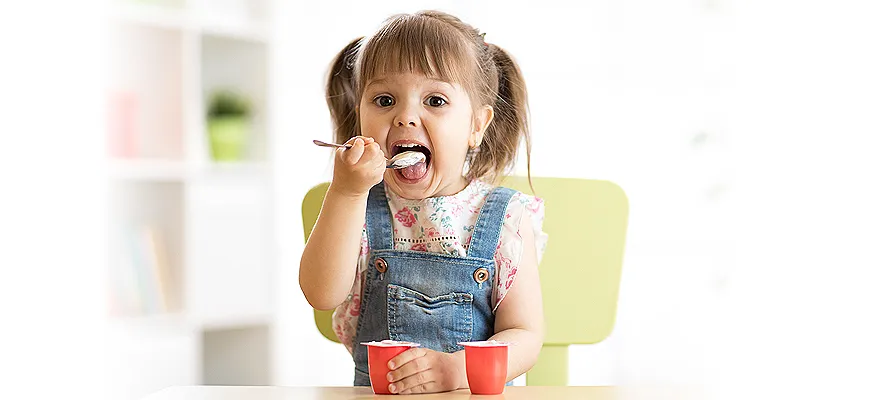
You’d think that with all the running, jumping, and endless energy, an active child wouldn’t have trouble going to the bathroom or be saddled with constipation problems.
But surprisingly, constipation is common even in kids who are always on the move. Between school, sports, and busy family schedules, hydration, balanced meals, and regular bathroom breaks can easily take a backseat — leading to digestive slowdowns.
Parenting active kids is a full-time job, and keeping their health on track can be challenging. Constipation, though common, is often overlooked in bustling family schedules. From rushed meals to skipped hydration, the causes are many.
If your child is struggling with constipation despite their active lifestyle, small tweaks to their diet and daily routine can make a big difference. Let’s explore practical, family-friendly ways to keep their gut health in check—without slowing them down.
This blog dives into the importance of gut health, remedies like probiotics, and practical tips to prevent constipation in kids.
What is constipation?
Constipation refers to infrequent bowel movements or difficulty passing stools.
Common constipation symptoms include bloating, straining, and abdominal discomfort.
Why gut health is important for active kids
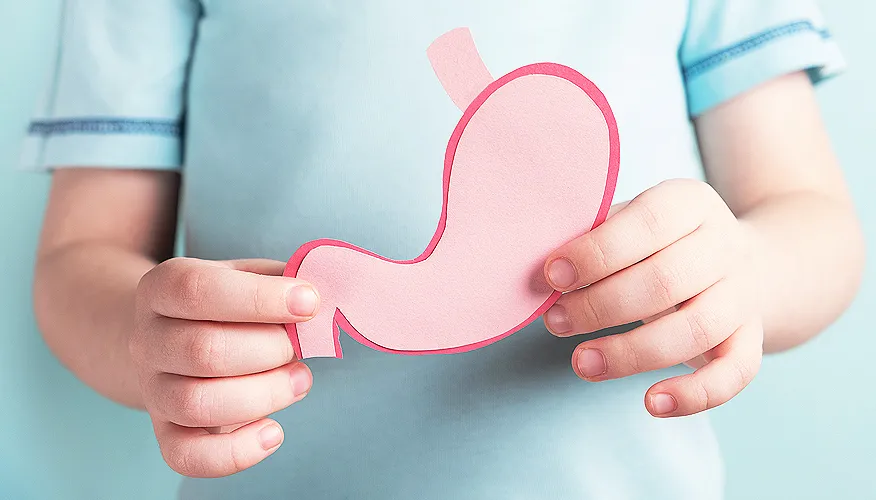
Active kids need a robust digestive system to keep up with their energy demands.
Gut health plays a crucial role in overall well-being, as it directly impacts digestion, energy levels, and immunity.
Here’s why maintaining good gut health is essential for active kids:
1. Supports energy levels
- A healthy gut helps break down food efficiently, ensuring kids get the nutrients they need to stay active throughout the day.
- Poor gut health can result in fatigue and low stamina.
2. Prevents digestive issues
- Balanced gut bacteria reduce the risk of common problems like constipation, diarrhea, and bloating, which can disrupt a child’s daily routine and comfort.
3. Boosts immunity
- Over 70% of the immune system resides in the gut.
- A strong gut can help kids fight off illnesses and recover faster from infections, ensuring fewer sick days.
4. Improves mood and focus
- The gut-brain connection means that a healthy gut supports mental clarity and emotional well-being, helping kids perform better in school and sports.
5. Promotes long-term health
- Cultivating good gut health early can help prevent chronic disease like chronic constipation, food intolerances, and even metabolic disorders later in life.
Encouraging kids to eat gut health foods, stay hydrated, and incorporate probiotic foods for kids into their diet can significantly improve their digestive system and overall health.
Causes of constipation in active kids
Active kids often develop habits that can disrupt their digestive system. Here are some common causes of constipation in kids:
1. Dehydration
- When kids are busy playing or participating in activities, they often forget to drink enough water.
- Insufficient fluid intake hardens stools, making them difficult to pass.
2. Low fiber intake
- A diet lacking in fiber-rich foods like fruits, vegetables, and whole grains can slow down digestion and lead to constipation symptoms.
3. Irregular meal times
- Skipping meals or eating at inconsistent times can disturb the natural rhythm of the digestive system, contributing to chronic constipation in kids.
4. Stress or anxiety
- Emotional stress from school, social interactions, or family changes can impact gut health, causing constipation or constipation colic.
5. Holding in stool
- Active kids may delay bathroom trips to continue playing, leading to stool buildup and hardening.
- Over time, this habit can worsen constipation symptoms.
6. Lack of physical activity
- Although active kids often play sports, long periods of inactivity (e.g., screen time) can slow down bowel movements.
7. Diet high in processed foods
- Consuming too many processed snacks and sugary drinks displaces healthy, fiber-rich foods, leading to poor gut health and constipation.
If untreated, constipation can become chronic, causing issues like constipation colic and long-term gut problems. It’s crucial to address the signs early.
Foods for gut health
A balanced diet is key to maintaining good gut health in kids.
Certain foods provide essential nutrients and promote a healthy balance of gut bacteria, which supports digestion and overall well-being.
Here are some excellent gut health foods to include in your child’s diet:
1. Fiber-rich fruits and vegetables
- Foods like bananas, apples, carrots, and leafy greens are high in fiber, which aids digestion and prevents constipation symptoms by promoting regular bowel movements.
2. Whole grains
- Oats, quinoa, and whole wheat are excellent sources of prebiotics that feed beneficial gut bacteria, improving digestion and nutrient absorption.
3. Probiotic foods
- Yogurt, kefir, and fermented foods like pickles contain live bacteria that help balance gut flora.
- Probiotic foods for kids are particularly effective in relieving digestive issues like constipation and bloating.
4. Legumes and beans
- Lentils, chickpeas, and black beans are rich in fiber and protein, making them great for gut health and keeping kids full longer.
5. Nuts and seeds
- Chia seeds, flaxseeds, and almonds provide fiber, healthy fats, and nutrients that promote good gut health and overall energy.
6. Hydrating foods
- Watermelon, cucumber, and oranges keep kids hydrated, ensuring smooth digestion and preventing stool hardening.
7. Prebiotic foods
- Foods like garlic, onions, and asparagus contain prebiotics, which fuel the growth of good bacteria in the gut, complementing the effects of probiotics.
Encouraging kids to include these foods in their meals and snacks can help maintain a healthy gut flora, reduce the risk of constipation, and support their active lifestyles.
For added benefits, consider incorporating probiotic supplements or prebiotics and probiotics supplements if recommended by a healthcare professional.
Probiotics and prebiotics: Natural allies for gut health
Probiotics are live bacteria that improve gut health, while prebiotics are fibers that feed these beneficial bacteria. Together, they enhance digestion.
Benefits of probiotics for kids
Probiotics play a vital role in maintaining children’s digestive and overall health.
Here’s a closer look at the key benefits they provide:
1. Restore gut balance
- Probiotics introduce beneficial bacteria to the gut, helping to maintain a healthy balance between good and bad bacteria.
- This balance is essential for optimal digestion and nutrient absorption.
2. Improve digestion
- By enhancing the gut’s ability to break down food, probiotics prevent digestive issues like bloating and discomfort, ensuring smooth and efficient digestion.
3. Ease constipation symptoms
- Probiotic supplements and probiotic foods can help soften stools and regulate bowel movements, making them an effective remedy for constipation symptoms in kids.
4. Boost immunity
- A significant portion of the immune system resides in the gut.
- By strengthening gut health, probiotics enhance immunity, reducing the frequency of infections and illnesses.
5. Alleviate constipation and colic
- Probiotics for kids are particularly beneficial for managing issues like chronic constipation and constipation colic, offering natural and gentle relief.
6. Support mental wellbeing
- The gut-brain connection means a healthy gut can positively influence mood, focus, and overall mental health in children.
7. Enhance nutrient absorption
- A balanced gut microbiome ensures that essential nutrients like calcium and vitamins are effectively absorbed, supporting growth and development.
By including probiotic foods for kids like yogurt or incorporating probiotic supplements, parents can promote better gut health and overall well-being.
Consistency is key to maximizing the benefits of probiotics, so make them a regular part of your child’s diet or routine.
Choosing probiotics for kids
Selecting the right probiotics for children can make a significant difference in improving their gut health and addressing issues like constipation.
Here are some tips to help you choose the best options for your child:
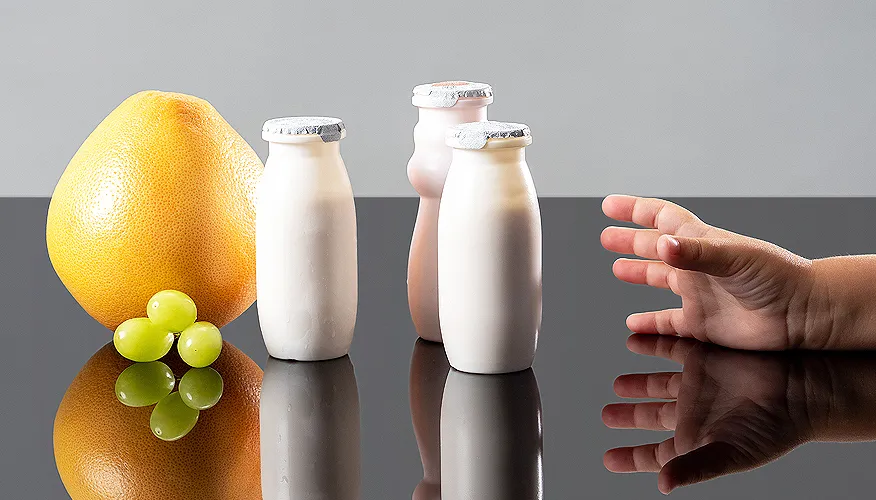
1. Probiotic yogurt for kids
Choose yogurts labeled with “live and active cultures” as they contain beneficial bacteria. These are tasty, easy to consume, and effective for improving digestion.
2. Chewable probiotic supplements
Kid-friendly chewable probiotic supplements come in various flavors, making them an appealing option for children who dislike pills or capsules.
3. Prebiotics and probiotics supplements
Supplements that combine prebiotics and probiotics provide dual benefits by not only introducing good bacteria but also feeding them for long-term gut health support.
4. Specialized probiotics for kids
Look for formulations designed specifically for children, as these will have appropriate strains and doses for their digestive systems.
5. Allergy-friendly options
Ensure the product is free from common allergens like gluten, dairy, or nuts if your child has sensitivities.
6. Doctor-recommended Choices
Always consult your pediatrician before introducing probiotic supplements to ensure they suit your child’s specific needs, especially if they experience conditions like chronic constipation or constipation colic.
Incorporating these probiotics for kids into their daily routine can help maintain balanced gut flora, alleviate constipation symptoms, and boost overall health.
Always check labels and choose high-quality products from reputable brands for maximum benefits.
Practical tips to manage and prevent constipation in kids
By following these tips, parents can manage and prevent constipation symptoms in kids while supporting their gut health.
- Encourage kids to drink water and eat hydrating foods like watermelon and oranges.
- Include fruits, vegetables, and whole grains to promote regular digestion.
- Use probiotic foods for kids like yogurt or probiotic supplements to balance gut bacteria.
- Regular exercise stimulates bowel movements and prevents chronic constipation in kids.
- Teach kids to use the bathroom when needed and avoid holding in stools.
- Reduce sugary snacks and prioritize fiber-rich meals.
- Serve meals at regular times to support consistent digestion.
Conclusion
An active lifestyle is great for kids, but even the most energetic little ones aren’t immune to digestive issues.
Constipation in active kids often happens when hydration, fiber, and regular bathroom breaks take a backseat to busy schedules filled with school, sports, and play.
By making small but meaningful adjustments—like ensuring they drink enough water, eat fiber-rich foods, and take time for bathroom breaks—you can help prevent constipation in active kids before it becomes a problem.
By prioritizing gut health, families can ensure active kids stay healthy and energetic. Remember, small steps lead to big improvements!