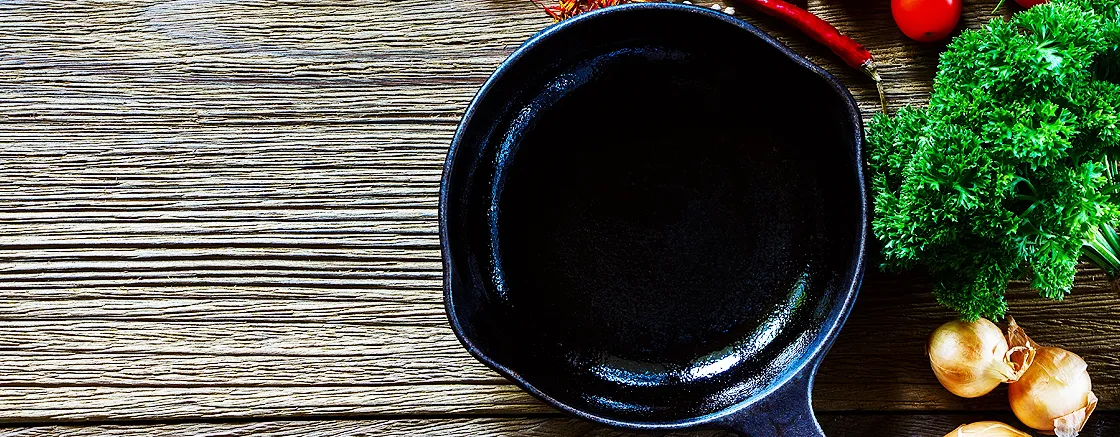
In a world brimming with modern cookware options, from non-stick pans to stainless steel pots, there’s a noticeable trend pulling us back to traditional cooking methods.
Iron vessels, once the heart of many kitchens across the globe, are making a strong comeback. Today, as we seek out healthier, more sustainable options, iron cookware is finding a new audience who appreciate its time-tested value.
From Indian kadhais to Japanese tetsubin, iron vessels carry cultural significance and a legacy of nourishing generations, making them more than just cookware—they’re a link to heritage and a step toward mindful cooking.
What’s more, did you know that the cookware you use can also play a role in improving your iron levels?
If you’re dealing with anemia or low energy, switching to iron vessels for cooking could be a simple yet effective way to boost your iron intake naturally.
Cooking in iron pots and pans allows small amounts of iron to seep into your food, increasing its nutritional value and helping your body combat iron deficiency.
In this blog, we will talk about the benefits and importance you can get from cooking in iron vessels, how it can benefit those with anemia and how you can easily incorporate it into your daily routine.
Benefits of cooking in iron vessels
Cooking in iron vessels has stood the test of time, offering numerous benefits that go beyond the kitchen.
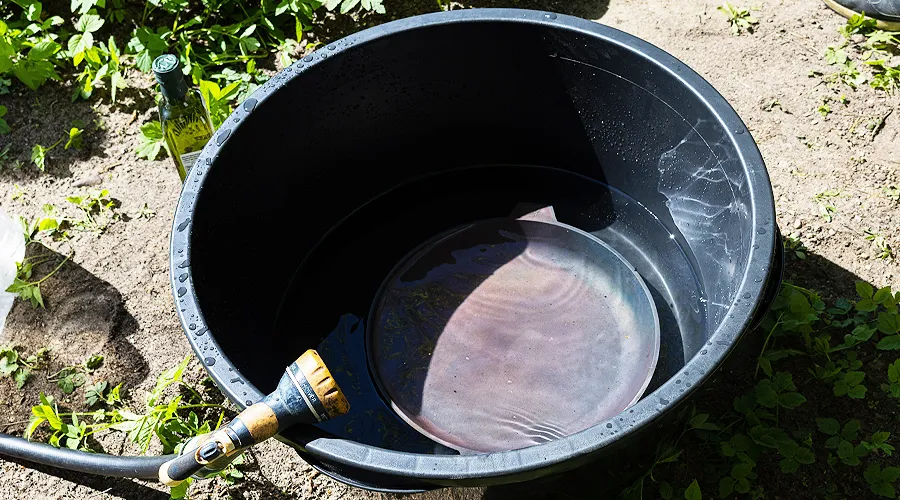
Here’s a deeper dive into why iron cookware has gained renewed popularity and why it’s worth adding to any kitchen:
1. Nutritional benefits
- One of the unique advantages of cooking in iron vessels is the natural way it enriches food with iron.
- When food, especially acidic dishes like tomato-based curries or sauces, is cooked in an iron pan, trace amounts of iron leach into the food.
- This can be a valuable source of dietary iron, particularly for those who may be iron-deficient or at risk of anemia.
- Unlike supplements, which may have side effects, iron obtained through cooking is gentle on the system and gradually boosts iron intake, benefiting individuals of all ages.
2. Enhanced flavor
- Many chefs and home cooks agree that food cooked in iron cookware has a depth of flavor and texture that is hard to replicate in other types of pots and pans.
- The reason is twofold: first, iron’s high heat retention allows for even cooking, which caramelizes and browns food beautifully, locking in flavors.
- This quality is ideal for cooking techniques like searing, roasting, and sautéing.
- Over time, seasoned iron cookware develops a natural non-stick layer that adds a distinct, slightly earthy flavor to food.
- This seasoning layer not only enhances flavor but also improves with each use, infusing dishes with character and complexity that are difficult to achieve in non-stick or stainless-steel alternatives.
3. Eco-friendly and health-conscious
- Many modern cookware options, such as non-stick pans, come with chemical coatings like Teflon that may release harmful fumes at high temperatures and can wear out within a few years.
- Iron cookware, however, is free from synthetic coatings and plastics, making it a safer option both for the environment and for our health.
- When compared to non-stick or stainless-steel cookware, iron is also recyclable and has a minimal environmental footprint.
How cooking in iron vessels can help those suffering from anemia
Anemia, a condition characterized by low hemoglobin levels or red blood cells, often results from an iron deficiency, making iron intake crucial for those affected.
While iron supplements are commonly recommended, cooking in iron vessels offers a natural, dietary way to boost iron intake—without the side effects sometimes associated with supplements.
When food, particularly acidic or moisture-rich foods like tomatoes, citrus-based dishes, or soups, is cooked in an iron vessel, small amounts of iron leach into the food.
This process is known as “iron fortification” and can provide an additional source of dietary iron, beneficial for those who need to elevate their iron levels.
Unlike supplements, the iron obtained from cooking is in a natural form that is readily absorbed by the body, making it gentle on the digestive system.
For people at risk of anemia, especially women, vegetarians, or those with limited iron intake, this additional iron can contribute to healthier hemoglobin levels, supporting energy production, immune health, and cognitive function.
Using iron cookware as part of daily cooking routines is an easy, sustainable way to address iron deficiency while also benefiting from the unique flavors and textures that iron vessels bring to meals.
By making a simple switch to cooking in iron vessels, individuals struggling with anemia can incorporate a natural, effective source of iron into their diet, complementing other dietary efforts to restore healthy blood iron levels.
Iron cookware for different diets and lifestyles
Iron cookware isn’t just versatile in cooking style but also supports various dietary needs and lifestyle choices.
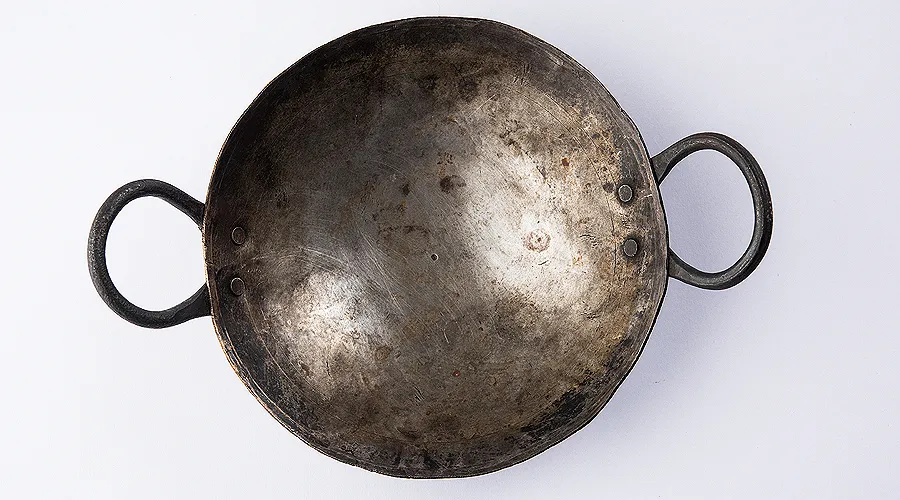
Here’s how it can complement specific diets and lifestyles:
1. Vegetarian and vegan diets
- For those following plant-based diets, iron intake is often a concern due to the lower bioavailability of non-heme iron found in plant foods.
- Cooking in iron vessels can help enrich plant-based meals with additional iron, supporting better absorption when paired with vitamin C-rich foods like tomatoes, peppers, or citrus.
2. Athletic and active lifestyles
- Athletes and fitness enthusiasts often require higher iron levels to support energy production and recovery.
- Iron cookware can offer an easy way to boost iron intake, particularly when preparing protein-rich, nutrient-dense meals like stir-fried vegetables with tofu or lean meats.
4. Low toxin and eco-conscious living
- Iron cookware is free from synthetic coatings and plastic handles, making it ideal for those aiming to avoid chemical exposure from cookware.
- This aligns with a clean, low-toxin lifestyle and contributes to sustainable living due to its recyclability and long-lasting nature.
5. Family-friendly cooking
- Iron cookware’s ability to fortify food with iron makes it beneficial for family meals, particularly for children, pregnant women, and elderly family members who may have increased iron needs.
-
Preparing family staples like soups, curries, and stir-fries in iron vessels can help meet everyone’s nutritional needs naturally.
Conclusion
Cooking in iron vessels brings together health, environmental, and culinary benefits that make it a worthwhile addition to any kitchen.
One of the unique health advantages is its potential to help combat anemia by naturally enriching food with iron—a simple way to boost iron intake, especially valuable for those at risk of deficiency.
This benefit, along with the enhanced flavors and textures iron cookware brings, makes each meal both nourishing and delicious.
Iron cookware also stands out for its eco-friendliness and durability, reducing waste and the need for chemical-laden, disposable alternatives.
As more people embrace traditional cooking practices, iron vessels offer a practical, sustainable, and health-conscious choice. If you haven’t yet tried cooking in iron, start with a simple recipe, such as a skillet cornbread or vegetable stir-fry, and taste the difference.