

Ever felt lightheaded when standing up too fast? Or so exhausted that even simple tasks feel overwhelming? It’s easy to brush it off as stress or lack of sleep, but what if your body is signaling something deeper — like iron deficiency anemia?
When your iron levels drop, your body struggles to carry enough oxygen to your brain and muscles, leaving you feeling weak, dizzy, and drained. It’s more than just tiredness — it’s your body crying out for help.
Certain people are at higher risk, like those on restricted diets, pregnant women, and people with heavy menstrual cycles.
This blog breaks down what causes these symptoms, especially in cases of iron deficiency, and focuses on practical, plant-based solutions to help you start feeling more energized and balance.
Let’s uncover why anemia makes you feel this way and what you can do to regain your energy.
Role of iron in the body
Iron is a vital mineral, and its primary role is to aid in the production of hemoglobin, the protein in red blood cells that transports oxygen from the lungs to every part of the body.
Without sufficient iron, the body cannot produce enough healthy red blood cells to carry adequate oxygen, leading to a chain of symptoms, including dizziness and fatigue.
Beyond hemoglobin, iron supports essential functions like muscle metabolism, cognitive development, and immune system health, making it crucial for overall well-being.
Several factors can lead to iron deficiency, making it a widespread health concern:
- Poor Dietary Intake: A well-rounded diet with a variety of iron-rich foods is essential for maintaining healthy iron levels. Some forms of iron are more easily absorbed by the body than others, so it’s helpful to consider dietary strategies that support optimal iron absorption. For example, pairing iron-rich foods with sources of vitamin C can naturally enhance iron uptake, benefiting individuals with diverse dietary preferences.
- Increased iron needs: Certain life stages and conditions require additional iron. For example, menstruating individuals lose iron each month, making them more susceptible to deficiency if their diet doesn’t compensate for this loss. Pregnant individuals also have increased iron needs to support fetal development, and without adequate iron, they may experience symptoms of anemia.
- Health conditions affecting absorption: Some medical conditions can hinder the body’s ability to absorb iron effectively. For instance, celiac disease, Crohn’s disease, or chronic inflammation can impair iron absorption in the digestive tract, causing even well-planned diets to fall short of meeting iron requirements.
How to address iron deficiency and prevent dizziness and fatigue
By increasing iron intake from plant-based sources, enhancing absorption through food pairings, and using supplements only as advised, individuals can support their iron levels and reduce symptoms like dizziness and fatigue naturally and effectively.
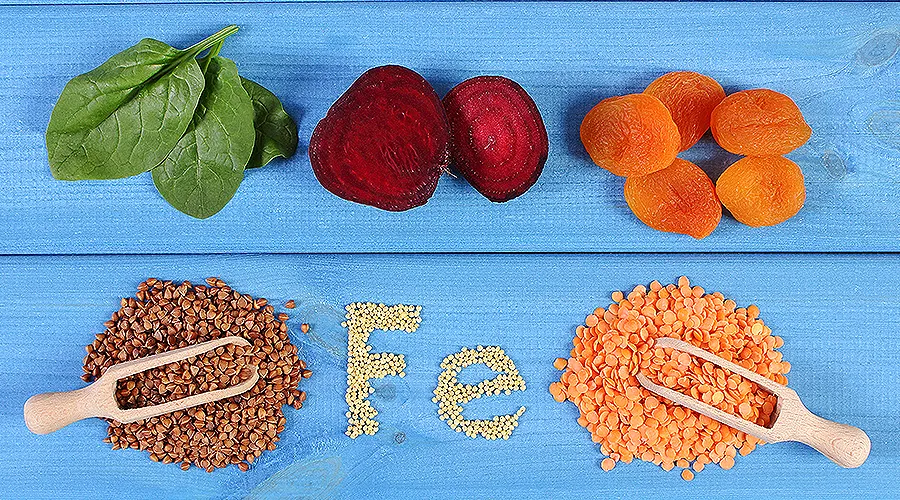
1. Increase iron intake from plant-based sources
For those on a plant-based diet, focusing on iron-rich foods is essential to meet daily iron needs.
- Iron-rich foods: Include a variety of iron-rich foods such as spinach, lentils, chickpeas, quinoa, pumpkin seeds, and fortified cereals. These foods not only help increase iron levels but also provide other nutrients that support overall health.
- Beans and legumes: Black beans, kidney beans, and lentils are excellent sources of iron and can be easily incorporated into meals like salads, stews, and soups.
- Nuts and seeds: Pumpkin seeds, sesame seeds, and cashews provide iron and can be eaten as snacks or sprinkled onto dishes for a nutritional boost.
2. Enhance iron absorption
Combining iron-rich foods with foods high in vitamin C can significantly enhance iron absorption. Vitamin C converts iron into a form more easily absorbed by the body, making this pairing particularly effective for those relying on plant-based iron sources.
- Pair with Vitamin C-rich foods: For instance, add bell peppers, citrus fruits, tomatoes, strawberries, or broccoli to meals that include iron-rich foods. Squeezing lemon juice over a spinach salad or having orange slices with a meal containing beans can boost iron absorption.
- Avoid iron inhibitors around meals: Substances like tannins (found in coffee and tea) and calcium can inhibit iron absorption, so it’s helpful to avoid drinking coffee, tea, or taking calcium-rich foods right before or after an iron-rich meal. Instead, enjoy these beverages and foods between meals to ensure your body gets the maximum benefit from the iron in your diet.
3. Consider iron supplements if needed
While dietary adjustments can make a big difference, some individuals—especially those with higher iron needs or absorption challenges—may require supplements to maintain optimal iron levels.
However, iron supplements should be used cautiously, as excess iron can lead to adverse effects, including digestive issues and, in severe cases, organ damage.

- Consult a healthcare provider: Before starting any iron supplements, it’s crucial to consult a healthcare professional to determine if supplementation is necessary and to select the right dosage. Blood tests can help assess current iron levels, and healthcare providers can recommend the appropriate form and dose of iron, if required.
- Monitor for side effects: Iron supplements can sometimes cause side effects, such as constipation or stomach upset, so taking them under medical supervision ensures a safe and effective approach to boosting iron.
Lifestyle tips for managing symptoms of dizziness and fatigue
Managing symptoms of dizziness and fatigue requires a holistic approach that encompasses lifestyle changes.

Here are several practical tips to enhance well-being and energy levels:
1. Exercise and movement
Engaging in light physical activity can significantly improve energy levels and circulation. Regular movement increases blood flow, which can help alleviate feelings of dizziness and fatigue.
- Light Exercise: Consider incorporating activities such as walking, stretching, or yoga into your daily routine. These low-impact exercises promote blood circulation and can help boost your overall energy without overwhelming your body.
- Build a Routine: Aim for at least 30 minutes of moderate exercise most days of the week. This can be broken down into shorter sessions if needed, making it easier to incorporate into a busy lifestyle. Even simple activities, like taking the stairs or doing household chores, can contribute positively.
2. Stay hydrated
Maintaining proper hydration is crucial for managing dizziness, as dehydration can exacerbate feelings of lightheadedness and fatigue.
- Drink water regularly: Aim to drink at least eight 8-ounce glasses of water a day, or more if you are active or in a hot environment. Keeping a water bottle handy can help you remember to hydrate throughout the day.
- Monitor electrolytes: In addition to water, consider consuming electrolyte-rich beverages (like coconut water) to replenish lost minerals, especially after exercise or on hot days. This can further aid in preventing dizziness associated with dehydration.
3. Adequate rest and stress management
Prioritizing sleep and stress reduction is essential for maintaining energy levels and overall health. Poor sleep quality and high stress can both contribute to feelings of fatigue and dizziness.
- Establish a sleep routine: Aim for 7 to 9 hours of quality sleep each night. Establish a regular sleep schedule by going to bed and waking up at the same time every day, even on weekends. Create a restful sleep environment by minimizing noise, reducing light, and keeping the bedroom cool.
- Practice stress reduction techniques: Incorporate mindfulness practices, such as meditation, deep breathing exercises, or progressive muscle relaxation, into your daily routine. These techniques can help lower stress levels, which can, in turn, enhance overall energy and reduce feelings of fatigue.
Conclusion
Dizziness and fatigue are more than just minor inconveniences; they can significantly impact daily life, productivity, and overall well-being.
Understanding the link between these symptoms and iron deficiency is crucial for anyone experiencing them.
By addressing iron levels through proactive dietary adjustments, such as incorporating iron-rich plant foods and enhancing absorption with vitamin C, individuals can make meaningful strides in managing their symptoms.
Moreover, regular medical check-ups are essential for maintaining optimal iron levels and overall health.