Few things are more distressing than watching your little one struggle with constipation—grunting, straining, or refusing to go at all.
As a parent, you want to ease their discomfort, but figuring out what actually works can feel overwhelming. Should you add more fiber? Cut back on certain foods? Try juice?
With roughly 1 in 20 doctor visits for toddlers being related to constipation, many new parents find themselves in similar situations, unsure about what to include in their toddler’s diet and what to avoid.
For instance, bananas were once thought to worsen constipation, but it has now been proven that they are actually more beneficial in relieving it.
If you’ve found yourself in such a situation, this article is for you.
In this blog, we’ll discuss foods for toddler constipation and what causes it, and we’ll share a few tips — both lifestyle and snack-related — to help you out.
Understanding constipation in toddlers
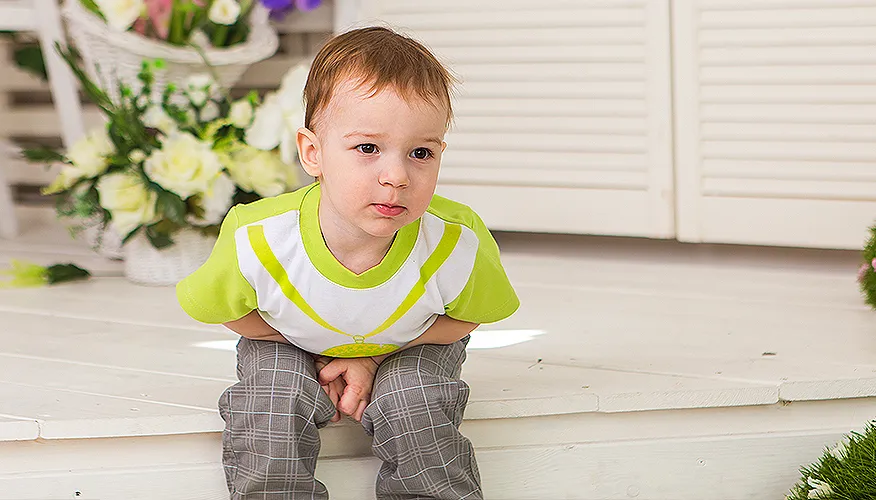
Toddles have a developing digestive system that is still maturing and ‘learning’ how to process food. So, poop frequency varies from toddler to toddler.
Some go multiple times a day, while others are satisfied with a single dump every few days. The unusuality of the circumstances is what should alarm you.
Constipation is a situation where your toddler experiences infrequent, difficult, or painful bowel movements.
Pediatricians usually consider it constipation if your tod hasn’t had a bowel movement in more than 3 days. Here are the typical constipation symptoms:
Symptoms of toddler constipation
- Infrequent bowel movements: If your toddler is going several days without pooping, usually below three times a week, it might be constipation. However, as mentioned, some toddlers have a naturally delayed bowel movement.
- Hard, dry stools: Small, hard, and dry stools that are painful to pass can be symptoms of constipation as well. Pay attention while potty training your toddler to notice if they’re straining during attempts to poop. However, straining doesn’t always mean constipation.
- Abdominal pain and discomfort: Tummy aches, bloating, and discomfort, specifically after eating, are prominent symptoms of baby constipation. Your child may even refuse to go to the bathroom if these symptoms persist.
- Withholding behavior: As mentioned, your toddler may get frightened to produce poop if the pain or discomfort is too unbearable for them. This usually includes sitting on the potty but not producing poop, fidgeting or crossing legs, clenching the bottom in an attempt to hold it in.
Irritability or mood swings are associated with behavioral issues materializing from constipation but are not directly correlated to it. The common reasons behind toddler constipation are:
Common Causes
- Dietary Factors: Fibers are pretty important to have a normal bowel movement, both in children and adults. Low fiber intake, paired with too many processed foods like white bread and pasta, can be the key reason behind your child fearing the bathroom.
- Behavioral Factors: Without proper oversight, potty training can become frightening for the child—causing anxiety about bowel movements and leading to the urge to hold it in. Distractions, such as playtime, can be a subtle reason why your child is withholding their poop as well.
- Medical Issues: Some toddlers incur constipation as a side effect of medications like iron supplements and certain antibiotics. However, some underlying conditions such as hypothyroidism, celiac disease, and food allergies may also cause constipation.
- Routine Disruptions: Daily schedule changes and emotional stress can cause bowel irregularities in toddlers. For example, parental separation can cause severe constipation in children.
- Lack of Physical Activity: Insufficient physical movement is a major contributing factor in toddler constipation. Reduced physical activity slows digestion and leads your toddler right into having a painful morning and irritable mood. Therefore, regular exercise and playtime can be beneficial in constipation.
Foods that help relieve toddler constipation
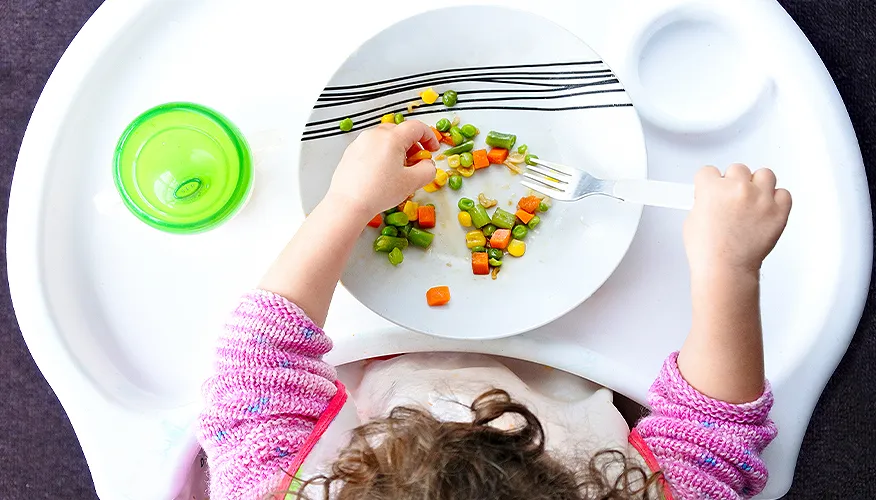
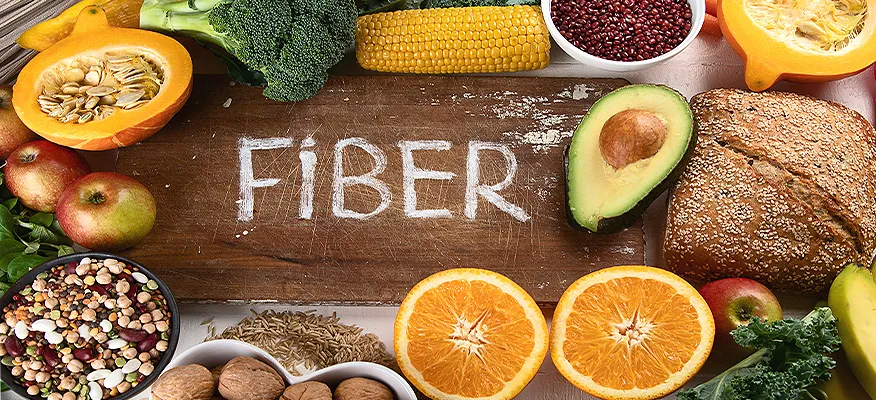
Fiber is critical when it comes to your toddler’s bowel movement. Dietary fibers add mass to the stool and absorb water in the stool to facilitate regular bowel movements.
Here is a quick overview of how much gut health foods they need per day according to their age:
| Children 1 to 3 years | 19 grams |
| Children 4 to 8 years | 25 grams |
| Boys 19 to 13 years | 31 grams |
| Girls 9 to 13 years | 26 grams |
| Boys 14 to 19 years | 38 grams |
| Girls 14 to 19 years | 26 grams |
With the what and why out of the way, let’s find out what foods for toddler constipation you can include in your toddler’s diet to help relieve constipation.
High-fiber fruits
Fruits are generally rich in fiber and help alleviate constipation symptoms.
Here are some of them that work exceptionally well:
- Pears: High in both soluble and insoluble fiber; leave the skin on for extra benefits.
- Prunes: Contain sorbitol, a natural laxative, and are great for softening stools.
- Apples: A good source of fiber, especially when eaten with the skin.
- Berries: Blueberries, strawberries, and raspberries are fiber-rich and easy to include in snacks or meals.
| Fruit Name | Toddler Portion | Estimated Grams of Fiber |
| Pears | ½ medium pear | 2.75g |
| Prunes | 5 prunes | 5g |
| Apples | ½ medium apple | 2.2g |
| Bananas | ½ banana | 1.5g |
| Berries | ½ cup | 1.8g (varies with the type of berry). Raspberries are very fibrous. |
Vegetables rich in fiber
- Broccoli: Packed with fiber and nutrients, can be steamed or blended into meals.
- Sweet Potatoes: High in fiber and a toddler favorite due to their natural sweetness.
- Peas: Easy to add to soups, pasta, or as a finger food.
- Carrots: Raw or cooked, they’re a fiber-packed addition to meals.
Here is a quick overview of the veggies that you might need to ‘force’ your tod to eat:
| Veggie Name | Toddler Portion | Estimated Grams of Fiber |
| Broccoli | ½ cup, cooked | 2g |
| Carrots | 1 small carrot or ½ cup cooked | 1.5g |
| Peas | ½ cup, cooked | 4.4g |
| Spinach | ½ cup, cooked | 2g |
| Green Beans | ½ cup, cooked | 2g |
Whole grains
- Oats: Great for breakfast; combine with fruit for added fiber.
- Whole-grain bread: Opt for bread with visible seeds or labeled high-fiber.
- Brown rice: A healthier alternative to white rice, with more fiber.
- Whole-grain pasta: Easy to swap into meals without compromising taste.
| Grain Name | Toddler Portion | Estimated Grams of Fiber |
| Oats | ¼ cup cooked | 1.5g |
| Whole-Grain Bread | 1 small slice or half a regular slice | 2g |
| Brown Rice | ¼ cup cooked | 0.9g |
| Whole-Grain Pasta | ¼ cup cooked | 1.2g |
Legumes
- Lentils: A versatile source of fiber that blends well into soups or stews.
- Chickpeas: Add to salads, soups, or mash into toddler-friendly dips like hummus.
- Black beans: Great in wraps, mixed with rice, or mashed for younger toddlers.
Hydrating foods
Hydration is equally important for a regular bowel movement, both in adults and toddlers. Drinking adequate water keeps the stools soft and makes them easier to pass. Fluids also help break down food and aid in nutritional absorption.
- Cucumbers: Refreshing and water-rich, perfect for snacking.
- Watermelon: High in water content and easy to eat for toddlers.
- Soups and broths: A hydrating and comforting way to boost fiber if veggies are included.
Probiotic-rich foods
- Yogurt with live cultures: Promotes healthy gut bacteria. We recommend choosing plain and adding fruit for sweetness.
- Kefir: A drinkable alternative to yogurt with a similar probiotic benefit.
Foods to avoid
The more critical aspect of prevention of constipation in kids is avoiding certain foods that may contribute to the problem.
Here are some foods that we recommend limiting (and possibly eliminating) from their diet:
- Low-fiber, processed foods: White bread, crackers, and pastries.
- Excessive dairy: Too much cheese, milk, or yogurt can contribute to constipation.
- Unripe bananas: Can slow digestion due to higher resistant starch levels.
- Sugary snacks: Candy, cookies, and sodas can disrupt digestion and provide no fiber.
- Fried or greasy foods: Harder to digest and can slow the digestive process.
Conclusion
Preventing and relieving constipation in kids requires a holistic approach that includes a balanced diet rich in fiber, proper hydration, and healthy lifestyle habits.
Incorporating high-fiber gut health foods like fruits, vegetables, whole grains, and legumes can make a significant difference in promoting regular bowel movements. Staying hydrated and encouraging your toddler to drink plenty of water is equally essential for maintaining soft stools and smooth digestion.
Ensuring plenty of physical activity can further improve your toddler’s digestive health.