
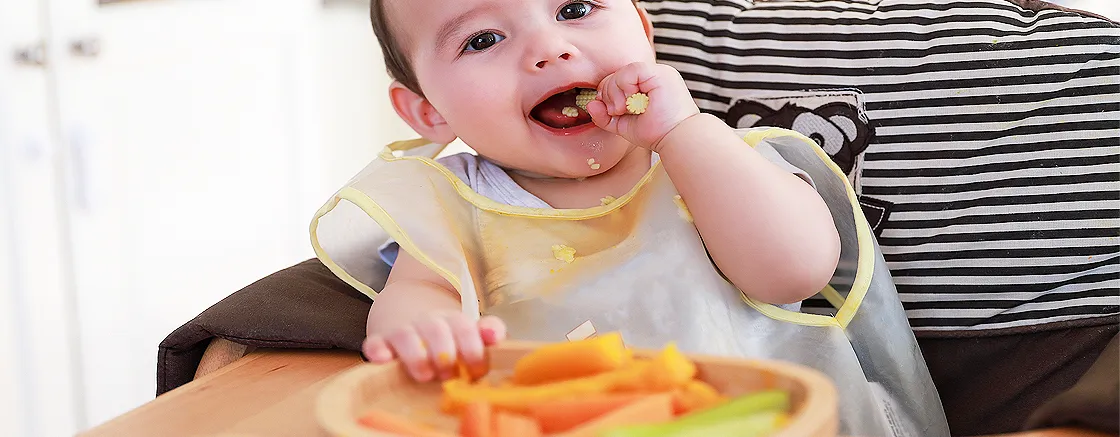
Those tiny fingers reaching for food — it’s a moment every parent looks forward to. Finger foods mark the beginning of self-feeding, a big step in your baby’s journey toward independence. And the best part? You don’t have to look far for the right options to find the best finger foods for baby!
In East Africa and Southeast Asia, our markets and kitchens are filled with wholesome ingredients perfect for little hands — think soft matoke (steamed bananas), mashed lentils, sticky rice, grated coconut, and chunks of ripe mango. These aren’t just healthy; they’re familiar, easy to prepare, and filled with flavor babies love.
This stage is about more than nutrition — it’s a way for babies to explore food through touch, taste, and curiosity. And with the right choices, it can be both safe and joyful.
Whether you are a new parent or just seeking new infant food ideas, this article takes you through it all — from knowing when to introduce finger foods for baby to age-specific baby finger food ideas.
So, if you are on the lookout for the best finger foods for baby, you are on the right page!
When can babies have finger foods
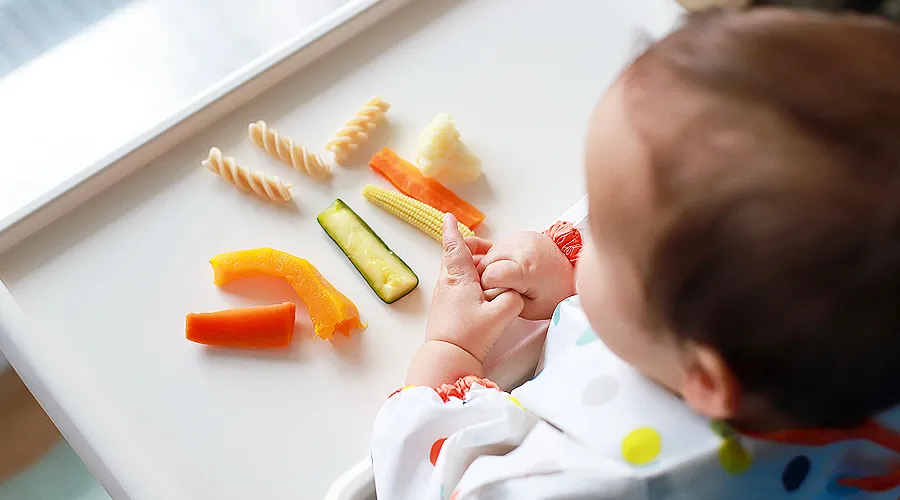
Babies usually start testing finger foods around 6 to 8 months. However, the optimum time is more about readiness to develop rather than age.
Here’s a rough estimate:
- Baby finger foods 6 months: Only if the baby has good neck control and can sit unassisted.
- Baby finger foods 7 months: Most babies start exploring textures and holding soft solids.
- Baby finger foods 8 months: The amount can be increased as chewing starts to be coordinated.
- Baby finger foods 9 months and baby finger foods 10 months: By this time, babies tend to use the pincer grasp (forefinger and thumb), eating small pieces of food is simpler.
Advantages of finger foods for babies
Introducing infant finger foods has multiple benefits for both baby and parent:
- Motor skills: Picking up food enhances hand-eye coordination and fine motor development.
- Oral development: Chewing acclimates muscles for speaking.
- Food exploration: Touching and tasting different textures diminishes aversions to food later on.
- Self-regulation: Babies learn to break when they are full, facilitating healthy eating habits.
- Family bonding: Eating together creates healthy food associations early on.
If you’re concentrating on providing healthy finger foods for baby, these advantages are maximized as your baby learns to enjoy healthy food right from the beginning.
How to introduce new finger foods for baby
Begin slowly and easily with finger foods for kids. Proceed through these steps for a safe and pleasant transition:
- One new food at a time: This will enable you to watch for allergies.
- Begin gentle: Steam veggies until they’re soft. Overripe fruits, cooked vegetables, and soft bread are good options.
- Watch carefully: Monitor for intolerance or allergic reaction—hives, vomiting, or diarrhea.
- Add variety of textures: As your infant becomes more familiar, provide pureed, grated, or tender-fork alternatives.
- Repetition is the rule: It can take 10+ times of exposure before a baby will try a new food.
Remember, finger foods for baby with no teeth must be easily gummable and break easily with no effort.
Best finger foods for babies
Here is a list of simple and safe finger foods for children and babies, divided by age and capability:
Baby Finger Foods 6 Months
- Ripe banana strips
- Steamed carrot sticks
- Avocado wedges
- Boiled sweet potato
- Soft pear slices
Finger Food for 7-month-old baby
- Toast fingers with mashed lentils
- Steamed broccoli florets
- Watermelon sticks (no seeds)
- Soft scrambled eggs
- Grated cooked apples
Finger Food for 8-month-old baby
- Mini pancakes
- Soft paneer or tofu cubed
- Boiled pasta spirals
- Peel and deseeded cucumber strips
Finger Foods for 9-month-old baby
- Bite-sized rice balls
- Ripe mango cubes
- Mashed khichdi squares
- Oat fingers (set in a tray and cut in strips)
- Boiled veggies (diced, zucchini, pumpkin)
Finger Food for 10-month-old baby
- Mini veggie cutlets
- Pieces of dosa or soft chapati
- Boiled peas (lightly smashed)
- Cheese cubes
Finger Food for 2-year-old baby
- Bite-sized sandwiches with hummus
- Whole wheat crackers with cheese
- Fruit skewers (grapes halved, berries squished)
- Boiled corn kernels
Baby and toddler meal ideas
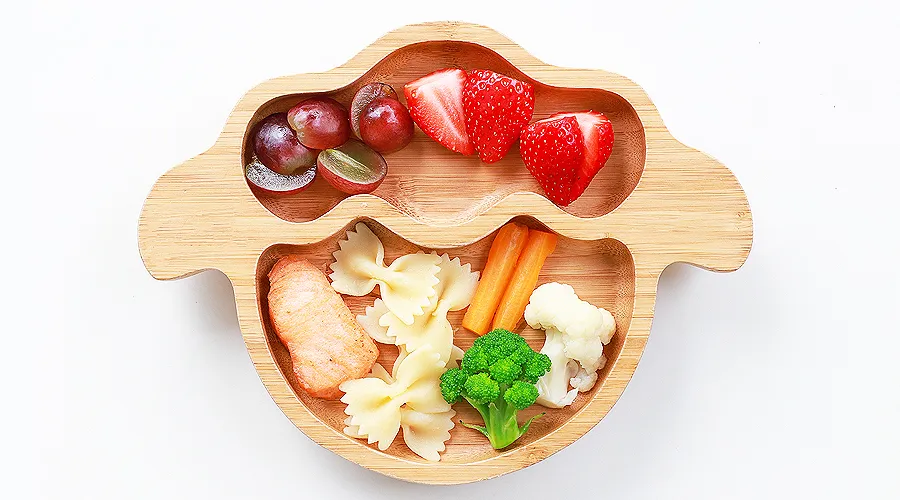
Planning in advance can save time and provide variety in baby finger food recipes. Here’s a simple 2-day meal plan with finger foods for toddlers and babies:
Day 1
- Breakfast: Maize flour pancake with banana slices
- Snack: Steamed apple with a thin layer of groundnut paste
- Lunch: Soft rice balls with mashed pumpkin
- Snack: Cubes of ripe pawpaw or melon
- Dinner: Lentil patties with cucumber sticks
Day 2
- Breakfast: Steamed rice noodles with mashed green gram
- Snack: Soft melon and tofu cubes
- Lunch: Mashed beans with cassava pieces
- Snack: Mango strips or soft jackfruit
- Dinner: Flatbread with vegetable stew and avocado slices
These baby finger food recipes are suitable for babies 7–10 months, and can be modified for older toddlers.
Foods to avoid as finger foods (Under 1 year)
Even with faith in your baby’s chewing abilities, some foods need to be avoided:
- Honey: Risk of infant botulism
- Whole nuts and popcorn: Primary choking hazards
- Hard raw vegetables: Such as raw carrots or apple pieces
- Sticky or chewy foods: Marshmallows, whole grapes, blobs of peanut butter
- Processed foods: Excessive salt, sugar, or additives
Always ensure finger foods are soft, well cooked, and the right size.
Safety tips for feeding finger foods
Safety first! Here’s how to reduce risks:
- Always watch mealtime
- Seat baby upright in a high chair
- Avoid distractions such as TV during meals
- Cut foods into finger-length strips or pea-sized bites (depending on development)
- Know infant CPR and choking rescue techniques (just in case)
Signs your baby is ready for more variety
By around 9–10 months, your baby may show signs that they’re ready to level up:
- Picks up small pieces with fingers (pincer grasp)
- Moves food around the mouth efficiently
- Chews more than just gumming
- Tries to feed themselves with a spoon
- Shows excitement at mealtime
Now, introduce combination foods such as soft rice with dal, mashed vegetables, or finger food sandwiches.
Finger food tips to encourage success
- Provide options: Allow baby to pick 2–3 finger foods
- Be regular: Even when they throw or refuse food, provide again
- Demonstrate eating: Babies copy what you do—eat together!
- Praise effort, not mess: It’s all part of the journey
- Use divided plates or sectioned trays to maintain separate textures
- Mess is a sign of discovery—not failure!
Conclusion
Introduction of finger foods to baby is one of the most thrilling and messy early parenthood milestones.
Whether you are introducing finger foods for 6 month old baby, finger foods for 7 month old baby with no teeth, or meal planning for a toddler, emphasize safe textures, variety, and balanced nutrition.
Don’t worry about perfection. Each baby develops at their own pace. Your job is to give a secure, loving, and stimulating food setting. Happy feeding!