
Your skin tells a story—of sleepless nights, stressful days, and sometimes, of something deeper happening within. If you’ve noticed your complexion looking unusually pale, dull, or lifeless, it’s not just about missing your skincare routine. Anemia could be silently taking a toll on your skin.
When your body lacks enough iron, it struggles to produce healthy red blood cells, reducing oxygen supply to your skin. The result? Pallor, dryness, dark circles, and a washed-out look that no amount of makeup can fix. Many women brush off these changes as stress or aging, but your skin could be signaling something more serious—your body’s cry for iron and essential nutrients.
Understanding how anemia affects your skin isn’t just about beauty; it’s about your health. Spotting these early signs can help you take action, restoring both your radiance and well-being.
Anemia is more than just feeling tired – it affects your whole body, even the way you look. One of the most visible signs of anemia is a pale, almost washed-out look to the skin, known as pallor.
This isn’t just about skin tone; it’s a sign that your body might not be getting enough oxygen. Iron deficiency, a common cause of anemia, often plays a big part here. Iron helps make hemoglobin, the protein that carries oxygen in your blood.
When there’s not enough iron, your skin can start to look dull and pale. In this blog, we’ll dive into how anemia, especially from low iron levels, impacts your skin and why pallor is such a tell-tale sign.
What is pallor? Understanding skin tone changes in anemia
Pallor is a term used to describe an unusual paleness or lack of color in the skin, which goes beyond simple complexion changes.
It’s often one of the first visible signs that something might be off with your health, particularly when it’s tied to anemia.
Unlike the natural lightness of skin that comes from staying indoors or avoiding the sun, pallor in anemia reflects an underlying shortage of oxygen in the blood.
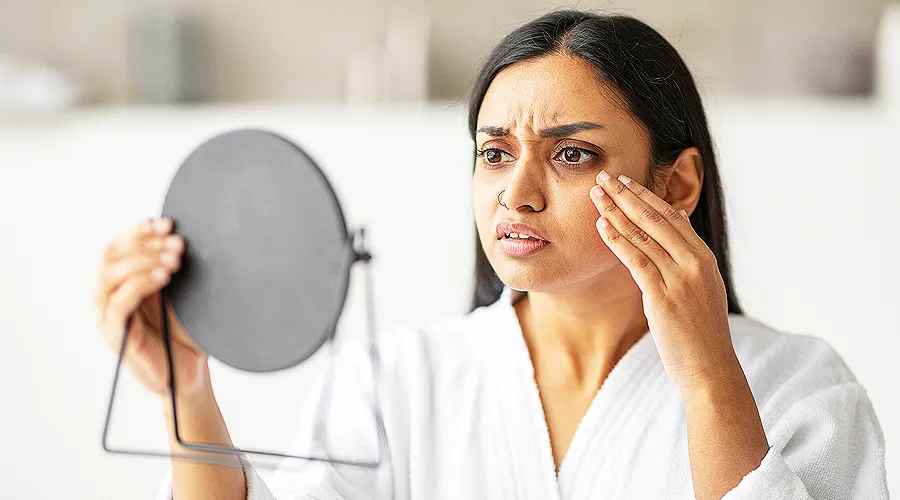
This change in skin tone happens because anemia, especially from iron deficiency, lowers the hemoglobin levels in your red blood cells.
Hemoglobin is what gives blood its red color and carries oxygen throughout your body. When there isn’t enough hemoglobin, not only does your blood lose some of its red hue, but your skin starts to appear dull, pale, or even slightly yellow. This lack of oxygen and color in the blood becomes especially noticeable in areas like the face, inner eyelids, and lips, where you’d usually see a healthy pink tone.
Pallor, therefore, is more than a surface issue – it’s a signal from your body that it needs more iron and oxygen to restore balance.
The role of iron in skin health
When anemia impacts the skin, the signs go beyond simple changes in tone.
The skin can reflect underlying issues with iron and oxygen levels in ways that affect its color, texture, and overall appearance.
Here’s a closer look at each symptom of pallor in anemia:
1. Pale or yellowish skin tone
- Anemia can cause a noticeable shift in skin tone, often presenting as a pale or slightly yellowish hue.
- This is especially evident in areas like the face, lips, and inner eyelids, where blood vessels are typically closer to the surface. In healthy individuals, these areas have a natural pinkish tone, but with anemia, the reduced hemoglobin levels mean less color in the blood, leading to an ashen or yellow tint.
2. Dullness and lack of radiance
- A healthy, glowing complexion relies on a steady flow of oxygen and nutrients to skin cells, which are carried by hemoglobin in red blood cells.
- When iron levels drop, so does the body’s ability to produce hemoglobin, resulting in less oxygen reaching the skin.
- This lack of oxygen and nutrient-rich blood can leave the skin looking dull and tired.
- Instead of the natural radiance that comes from well-oxygenated skin, anemia leads to a complexion that appears flat and lacks its usual vibrancy, making the skin look almost lifeless.
3. Dryness or rough texture
- Anemia can also affect the skin’s texture, leading to dryness and a rough feel.
- When the body is low on iron, skin cells don’t receive the full amount of oxygen they need to stay healthy and maintain moisture.
- This can result in skin that feels tight, dry, and rough to the touch, often prone to flakiness.
- The lack of nutrients also disrupts the natural oil balance in the skin, which normally keeps it smooth and hydrated.
4. Dark circles under the eyes
- While often associated with fatigue, dark under-eye circles can also be a sign of anemia.
- Reduced blood flow caused by low iron can make blood vessels more visible in the delicate skin under the eyes, giving a shadowed or sunken appearance.
- This symptom of anemia goes beyond regular tiredness, as the lack of oxygenated blood intensifies the dark tone under the eyes, contributing to an overall tired appearance.
5. Reduced healing and skin elasticity
- Anemia doesn’t just change the look and feel of your skin; it can also affect its resilience.
- With less iron and fewer nutrients reaching skin cells, the body may struggle to repair itself as quickly.
- This can mean slower healing for small cuts or blemishes and a loss of elasticity, making the skin feel less firm.
- Over time, this can contribute to premature aging signs like fine lines, as the skin doesn’t have the resources it needs to maintain its youthful texture and bounce.
How pallor manifests on the skin
Pallor tends to be most noticeable in areas with a higher concentration of blood vessels near the skin’s surface.
Here’s how it specifically affects various parts of the skin:
1. Face
- The face is often the first area where pallor becomes visible.
- Normally, oxygen-rich blood gives the face a natural flush, but in anemia, the lack of hemoglobin leads to a dull, washed-out look.
- The overall complexion may appear less vibrant and almost as if it has lost its natural color, which makeup or skincare alone can’t restore because it’s caused by a deeper, internal imbalance.
2. Lips
- Pallor often turns the lips from their typical pinkish or reddish hue to a pale or even grayish tone.
- The lips are especially susceptible to showing changes in blood flow due to their thin skin and proximity to blood vessels.
- When oxygen levels are low, they lose their usual vibrancy, appearing faded or, in severe cases, slightly bluish, signaling a more serious lack of oxygen in the bloodstream.
3. Inner eyelids
- Pulling down the lower eyelid can reveal the “conjunctiva,” a normally pinkish area where blood vessels are visible.
- In cases of anemia or iron deficiency, this area can appear pale, as the reduced hemoglobin affects its color.
- This is one of the clinical checks often used by doctors to spot anemia, as the lack of color here is a clear sign of reduced blood oxygenation.
4. Nail beds
- The area beneath the fingernails, which typically has a healthy pinkish tone due to the blood vessels underneath, can also become pale in anemia.
- This change is particularly noticeable when you press on the nails and see that color takes longer to return.
- Pallor in the nail beds can be a telling sign of iron deficiency, as they, too, are deprived of the oxygen and nutrients needed to maintain their usual color.
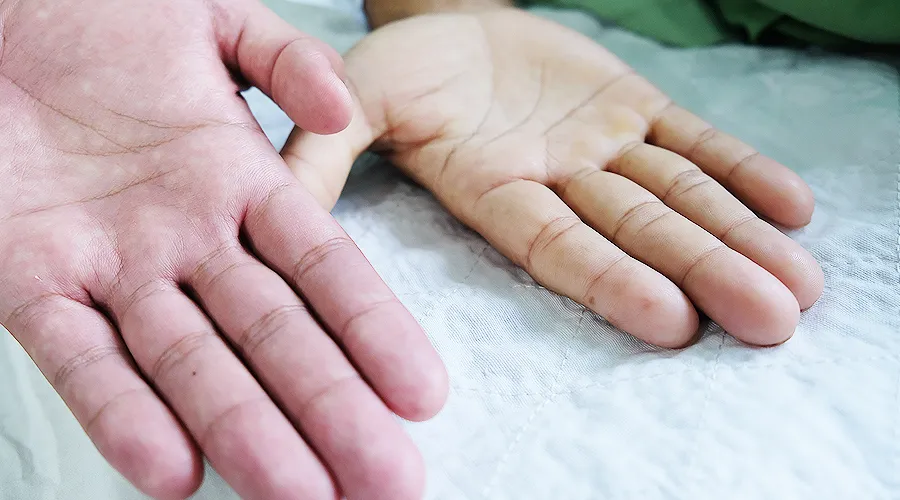
5. Palms and soles
- The palms and soles of the feet can appear lighter than usual when there’s reduced blood flow.
- In some cases, the color may even shift toward a faint yellowish tint.
- Since these areas don’t usually undergo major color changes, pallor here can be a strong indicator of anemia.
6. Dark circles and skin dullness
- In addition to pallor, anemia can cause dark circles under the eyes and a general dullness across the skin.
- The lack of oxygen and nutrients reaching skin cells means that the complexion loses its natural glow.
- Instead of a fresh, radiant look, the skin may appear flat, tired, and almost lifeless.
7. Dry and rough texture
- A shortage of iron can also lead to a lack of hydration and elasticity in the skin, resulting in dryness and roughness.
- The skin may feel tight or flaky, as it isn’t receiving the nutrients needed to maintain moisture and smoothness.
- This dryness goes beyond superficial dehydration, as it reflects a lack of essential nourishment deep within the skin’s structure.
8. Coolness to the touch
- Areas of the skin affected by pallor might feel cooler than usual.
- The body, dealing with limited oxygen availability, tends to prioritize vital organs over the skin, leading to reduced circulation in the extremities.
- This diminished blood flow causes these areas to feel colder and look paler.
Conclusion
Anemia from iron deficiency doesn’t just leave you feeling tired; it shows up on your skin, too, with a pale, dull look that lacks its natural glow.
When iron is low, there’s less hemoglobin to carry oxygen, and that impacts the color and vibrancy of areas like your face, lips, and eyelids.
Taking steps to improve your iron levels can make a real difference—not only helping you feel more energized but also bringing back that healthy, natural color to your skin.
Addressing iron deficiency is a simple way to support your skin’s vitality and boost your overall health at the same time.