
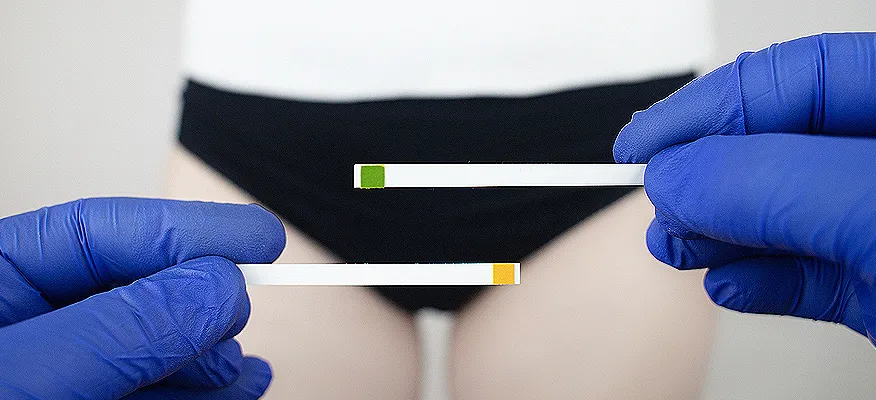
Let’s talk about something that doesn’t get nearly enough attention — your vaginal pH. Yes, it’s a real thing, and no, it’s not just another wellness buzzword.
For many women, issues like itching, irritation, or unusual discharge are brushed aside or misunderstood. But did you know that your vaginal pH plays a big role in how “in balance” your intimate area feels and functions?
From sweat and sanitary products to soaps and diet, so many daily habits can throw your vaginal pH off-kilter — without you even realizing it.
Whether you’re in Nairobi dealing with humid heat or in Jakarta navigating long days and tight jeans, many of us forget about an important subject: how to balance vaginal pH. And if you’ve ever had questions about how to test vaginal pH, how to rebalance vaginal pH, or how to keep vaginal pH, you’re not alone.
This guide is here to open a practical, stigma-free conversation about how you can support your intimate area naturally — no gimmicks, no over-the-top products — just real habits that work with your body, not against it.
From learning about the healthy vaginal pH to easy tips you can follow daily to naturally and effectively restore vaginal pH.
Normal vaginal pH level
The healthy vaginal pH typically measures between 3.8 and 4.5. This mildly acidic condition is perfect for maintaining harmful bacteria and yeast at bay. Lactobacilli, the “good” bacteria, are happy in this range and keep your vagina healthy.
When ph vaginal gets too alkaline or too acidic, it throws off the fine balance. Being aware of the ph of vaginal fluid and keeping it in check is important to general well-being.
With the aid of instruments such as vaginal pH paper or a vaginal pH test kit, you may be able to check your levels if you find yourself suspecting something is not right.
Warning signs of an imbalanced vaginal pH

Early recognition can spare you from undue distress. Warning signs of an unbalanced vaginal pH balance are:
- Abnormal discharge (gray, green, or smelly)
- Itching, irritation, or redness
- Burning upon urination
- Recurring yeast infections or bacterial vaginosis
If you observe these signs, it may be time to employ a vaginal pH test to better determine what is going on. Some women even consult a vaginal pH chart to learn about their results.
Causes of vaginal pH imbalance
There are numerous factors that can upset your normal vaginal pH:
- Unprotected sex: Semen is alkaline in nature, and when it enters the vagina, it can increase your vaginal pH and disrupt the natural acidity.
- Antibiotics: These can kill both good and bad bacteria, disrupting the balance.
- Hormonal fluctuations: Menstruation, pregnancy, and menopause all affect your ph vaginal levels.
- Douching: Douching or using strong cleansers, such as strong ph vaginal washing products, can disrupt your pH.
- Poor personal hygiene: Over-washing, wearing tight non-breathable underwear, and using fragrant products can all play a part.
Knowing these causes helps you make healthier decisions and safeguard your vaginal health.
Complications of vaginal pH imbalance
Neglecting an imbalance can result in larger health problems, including:
- Bacterial vaginosis
- Yeast infections
- Increased risk of STIs
- Pelvic inflammatory disease
- Fertility issues
That’s why maintaining your vaginal pH balance isn’t merely a matter of comfort—it’s a matter of long-term health.
How to maintain vaginal pH balance
Healthy habits will help you understand how to maintain vaginal pH naturally. Here are some simple tips:
- Avoid harsh products: Steer clear of scented soaps and use gentle, pH-balanced cleansers.
- Practice safe sex: Have sex with condoms to reduce exposure to the high vaginal pH of semen.
- Wear breathable clothes: Cotton boxers or panties keep the area dry and prevent irritation.
- Drink water: Prolonged hydration supports the body’s natural functions.
- Consume probiotics: Add yoghurt or probiotic pills to increase good bacteria.
Testing sporadically with vaginal pH paper can allow you to track any changes early. If you don’t know what your readings mean, a vaginal pH chart can provide useful guidance.
Can you balance vaginal pH naturally?
You may ask, can you balance vaginal pH naturally? The answer is yes.
Most minor instances can be treated at home using natural habits that aid your own body’s defenses.
How to balance vaginal pH naturally

Here’s how to restore natural vaginal pH without requiring extreme treatments:
- Use Probiotics: These beneficial bacteria work to keep dangerous organisms at bay. Consuming yoghurt with live cultures or a supplement can aid in a healthy vaginal pH.
- Cranberry Products: Cranberry juice or supplements are thought to create urinary and vaginal health by inhibiting the growth of dangerous bacteria.
- Good Hygiene: Clean the outside genital area with water or a mild ph vaginal wash.
- Dietary Changes: Maintaining a well-balanced, nutrient-rich diet enhances overall immune function and vaginal health.
Monitoring your pH at home with a vaginal pH test kit and marking the results on a vaginal pH chart can keep you on course.
Treatment for pH imbalance
Sometimes, natural remedies aren’t enough. If symptoms persist, medical treatments include:
- Antibiotics: For bacterial infections like BV.
- Antifungal Medications: For yeast infections.
- Prescription Gels or Creams: Some treatments specifically aim to rebalance vaginal pH balance.
Doctors might also recommend special ph vaginal wash products that gently help bring your pH back into a normal range.
When to see a doctor
You should consult a doctor if:
- Symptoms persist after trying natural remedies.
- You have a high vaginal pH reading or a low concern vaginal pH that doesn’t go away.
- You have recurrent infections, severe pain, or abnormal bleeding.
A professional exam and vaginal pH test can pinpoint the issue and treat it specifically. Don’t wait—treatment early on can avoid complications.
Conclusion
Knowing how to balance vaginal pH gives you the power to control your intimate health. By monitoring your ph of vaginal fluid closely and making small, gradual changes in your lifestyle, you can easily keep your vaginal pH healthy.
If ever in doubt, easy measures such as using vaginal pH paper, consulting a vaginal pH chart, or testing with a vaginal pH test kit will keep you abreast. Always keep in mind: A little care now will spare you a great deal of trouble later.
Be proactive, be informed, and take care of your body—it’s the only one you’ve got!