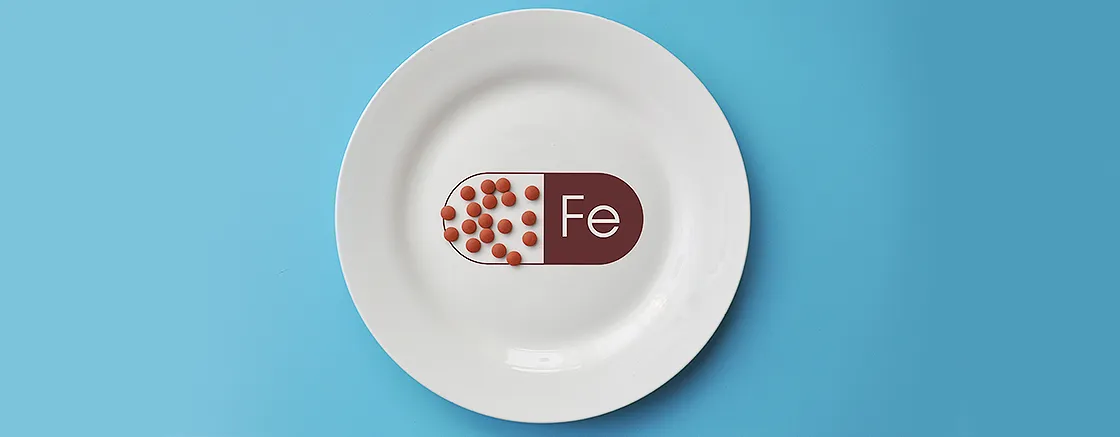
Imagine trying to power through your day with a half-charged battery — that’s what low iron can feel like.
Iron plays a crucial role in producing hemoglobin, the protein that carries oxygen to every cell in your body. When you’re low on iron, you may feel drained, short of breath, and unable to concentrate.
Iron supplements can be a great solution but simply taking one may not be enough to fix the issue if you’re not absorbing it properly. Maximizing the benefit of your iron supplement requires knowing how to enhance absorption and avoid common habits that can interfere with your iron intake.
In this blog, with a few smart strategies, you can ensure you’re getting the most from your supplement, helping your body restore iron levels and supporting energy, focus, and overall health.
Understanding iron supplement dosage and timing
Getting the most from your iron supplement isn’t just about taking it — it’s about taking it the right way.
Following the recommended dosage is essential to avoid side effects like stomach upset, constipation, or nausea. Too much iron can overwhelm your system and lead to issues, so sticking to the suggested amount is key for a smooth experience.
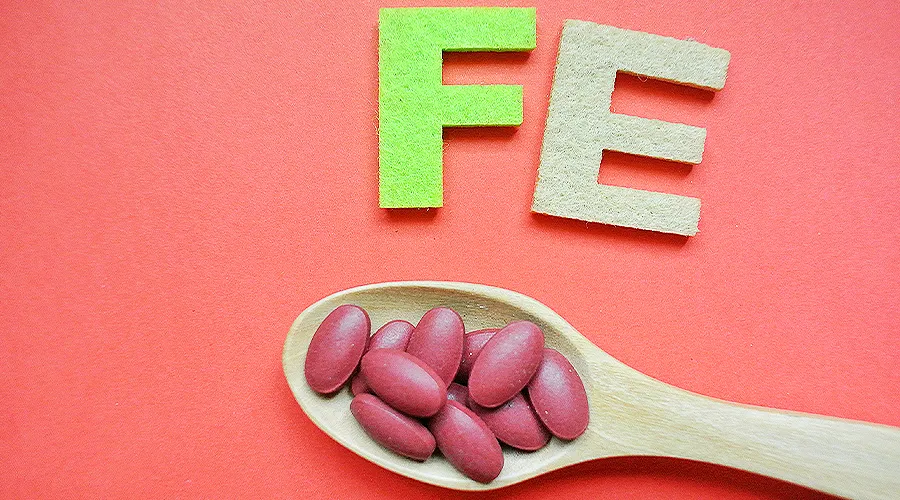
Timing can also make a big difference. Taking iron first thing in the morning, on an empty stomach, often works best since it allows for faster absorption.
However, if that causes any discomfort, taking it a couple of hours before bed or spacing it from meals may be better for you. Avoid taking iron alongside calcium-rich foods or drinks (like dairy), as they can reduce how much iron your body absorbs. By getting your dosage and timing right, you give your body the best chance to fully benefit from the supplement and improve iron levels effectively.
Supporting your supplement with iron-rich foods
While iron supplements are essential for boosting iron levels, especially in cases of anemia, they work best when paired with a diet rich in iron-filled foods.
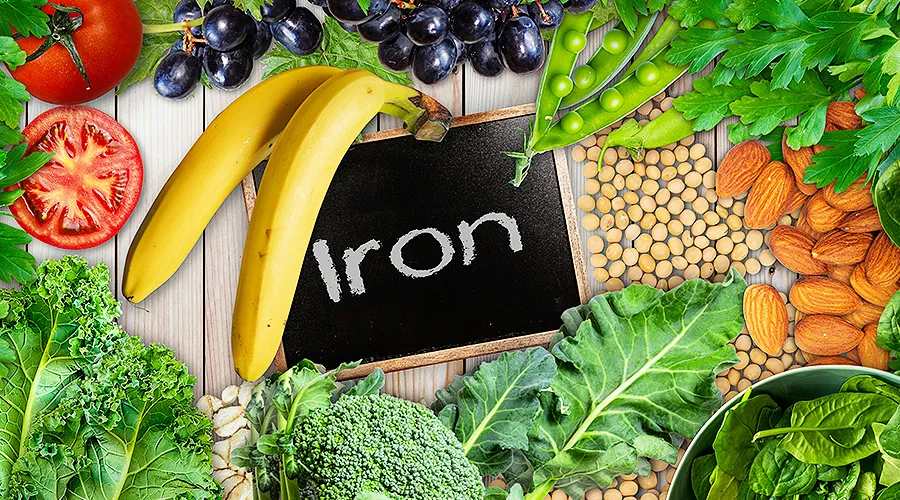
Adding plant-based sources like lentils, beans, spinach, quinoa, tofu, and fortified cereals creates a comprehensive approach to restoring your iron levels.
These foods don’t just provide extra iron; they also bring a range of nutrients that support your overall health and energy.
Why plant-based iron matter?
Plant-based iron sources offer non-heme iron, which is slightly different from the type found in animal products but can be absorbed well when combined with the right foods.
Non-heme iron might not be absorbed as efficiently as heme iron, but there are ways to boost its absorption.
Pairing these foods with a source of vitamin C, like citrus fruits, bell peppers, or tomatoes, can enhance how much iron your body takes in.
So, adding a squeeze of lemon over a spinach salad or pairing your fortified cereal with berries can make a noticeable difference.
Top iron-rich plant-based foods to try
- Lentils and Beans: High in protein and fiber, lentils, chickpeas, black beans, and kidney beans are versatile and nutrient-rich. They’re easy to incorporate into soups, salads, and main dishes.
- Dark Leafy Greens: Spinach, kale, and collard greens are iron-rich and full of vitamins like A and K. For a nutritional boost, try adding these greens to smoothies, soups, or stir-fries.
- Quinoa and Tofu: Both quinoa and tofu are excellent protein sources that provide a good amount of iron. Quinoa works well in salads, grain bowls, or as a side dish, while tofu can be included in stir-fries, scrambles, or baked.
- Fortified Cereals and Whole Grains: Many breakfast cereals are fortified with iron, making them a simple, iron-packed option. Check labels to ensure you’re choosing a cereal high in iron, and pair it with fruits like strawberries or oranges for an extra absorption boost.
Lifestyle adjustments to maximize iron supplement benefits
Making a few simple lifestyle adjustments can significantly enhance the effectiveness of your iron supplement.
Certain everyday habits can interfere with how well your body absorbs iron, so being mindful of timing and intake can go a long way in maximizing your supplement’s benefits.
1. Limit coffee and tea around supplement time
- While coffee and tea have their health benefits, they’re best kept at a distance from your iron supplement.
- Both drinks contain tannins and polyphenols, compounds that can bind to iron and reduce its absorption.
- If you’re a coffee or tea enthusiast, aim to enjoy them at least one to two hours away from when you take your iron.
- By doing this, you allow your body to absorb as much iron as possible without interference.
2. Be cautious with antacids
- Antacids and medications for acid reflux, like calcium carbonate or proton pump inhibitors, can neutralize stomach acid, making it harder for your body to absorb iron effectively.
- Since iron is best absorbed in a more acidic environment, using antacids too frequently can reduce your supplement’s effectiveness.
- If you need to take antacids, try to space them out at least two hours before or after taking your iron supplement.
- Alternatively, discuss with your healthcare provider for guidance on balancing both if they’re necessary for you.
3. Avoid high-calcium foods when taking iron
- Calcium competes with iron for absorption, so it’s a good idea to avoid high-calcium foods like milk, yogurt, or cheese around the time you take your supplement.
- Instead, enjoy these foods at other times of the day to ensure your body absorbs the maximum amount of iron.
4. Opt for vitamin C to boost iron absorption
- Adding vitamin C to your routine is an easy way to boost your iron absorption.
- Vitamin C-rich foods, such as citrus fruits, strawberries, tomatoes, or bell peppers, can be paired with your supplement or iron-rich meals to enhance absorption.
- A simple glass of orange juice or a handful of berries taken with your iron can make a real difference.
5. Establish a consistent routine
- Consistency is key for seeing the full benefits of your iron supplement.
- Try to take your iron supplement at the same time each day, incorporating it into a routine that works best for you — like first thing in the morning or in the evening, depending on your preferences and any potential side effects.
- By making these small adjustments to your routine, you’re setting yourself up for maximum benefits from your iron supplement.
-
With mindful timing, a few tweaks to your eating habits, and consistency, you can improve iron absorption, helping you get the most out of your supplement and supporting a healthier, more energized you.
Conclusion
Maximizing the benefits of your iron supplement isn’t just about taking it — it’s about sticking with it and making small, impactful adjustments to your daily routine.
Staying consistent with your supplement and supporting it with iron-rich foods and mindful habits helps ensure you’re getting the full effect.
Iron levels take time to restore, so keeping up with your supplement routine and dietary adjustments can gradually lead to noticeable improvements.