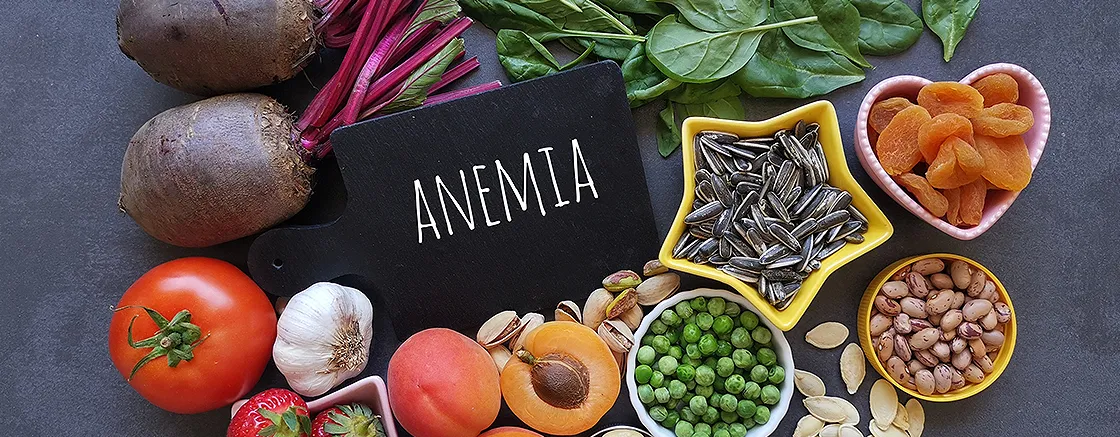
Ever felt so drained you could barely keep your eyes open, even after a good night’s sleep?
Or maybe you’ve been feeling dizzy or noticed your skin looking a bit pale? These can all be signs of anemia – a condition where your body isn’t getting enough oxygen because it’s short on red blood cells.
And one of the most common reasons? Low iron levels!
Iron is a big deal when it comes to keeping our blood healthy. Without enough iron, your body struggles to make the hemoglobin that carries oxygen to all the places it’s needed. The good news? The right foods can help you feel more energized and keep your iron levels up.
In this blog, we’ll walk through simple ways to plan meals that naturally boost iron intake. And don’t worry – it’s all about plant-based options, so no need for any non-veg choices!
Key nutrients to combat iron deficiency
When it comes to fighting iron deficiency, a few key nutrients can make a big difference in improving iron absorption and supporting overall blood health.
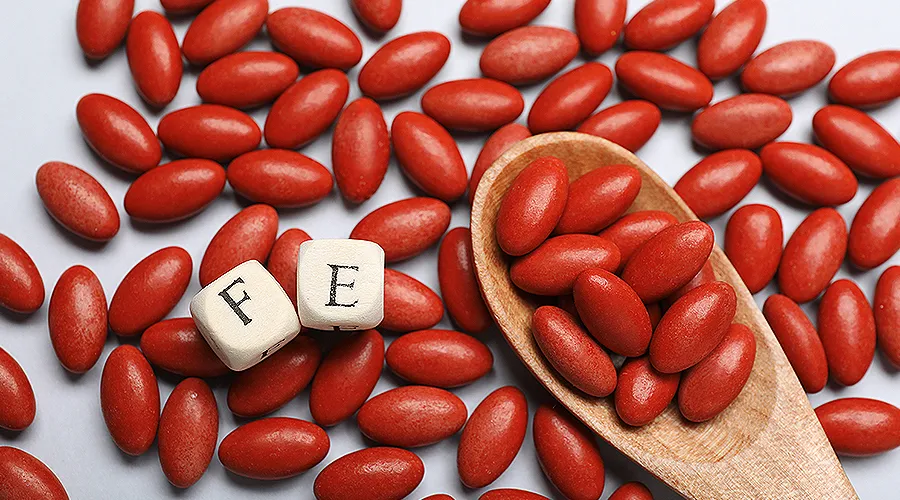
Here’s a quick look at the nutrients you’ll want to focus on:
1. Iron
- Iron is the star player in boosting your blood’s oxygen-carrying power.
- Since plant-based sources provide non-heme iron, which is less easily absorbed by the body, it’s essential to include a variety of iron-rich foods regularly.
- Foods like lentils, beans, chickpeas, spinach, quinoa, and fortified cereals can help pack a punch when it comes to iron intake.
2. Vitamin C
- Vitamin C is iron’s best friend! It acts as a powerful enhancer for non-heme iron absorption, making it easier for your body to get the most out of the iron in plant-based foods.
- Try pairing iron-rich meals with vitamin C sources like oranges, strawberries, bell peppers, tomatoes, or a squeeze of lemon to make that iron work harder for you.
3. B Vitamins (B12 and Folate)
- B vitamins, particularly B12 and folate, are essential for red blood cell production and overall blood health.
- While B12 is commonly found in animal products, fortified plant-based foods like cereals, nutritional yeast, and some plant milks can be good sources.
- Folate, on the other hand, is readily available in leafy greens, avocados, beans, and lentils – all ideal for supporting healthy blood cell formation.
4. Copper and Zinc
- While they’re often overlooked, copper and zinc are essential for iron metabolism. Copper helps the body incorporate iron into hemoglobin, while zinc supports overall immune function, which can be impacted by anemia.
- Nuts, seeds, whole grains, and mushrooms are good sources of these minerals, adding a balanced boost to an iron-rich diet.
Best plant-based sources of iron
Boosting iron levels on a plant-based diet can be easy and delicious when you know which foods to focus on.
Here’s a detailed look at some iron-rich foods to help you build a diet that supports your iron needs, along with tips on portion sizes and meeting daily requirements.
1. Lentils
- Lentils are an iron powerhouse, providing around 6 mg of iron per cup when cooked.
- They’re also high in protein and fiber, which can help maintain energy levels and support digestive health.
- Lentils are incredibly versatile: you can add them to soups, stews, or even make them into a veggie burger patty.
- For a quick lunch, try making a lentil salad with chopped vegetables, a squeeze of lemon, and a drizzle of olive oil to help with iron absorption.
2. Beans (e.g., kidney beans, black beans, and white beans)
- Beans are an excellent source of iron, with cooked kidney beans or black beans offering around 4-5 mg per cup.
- They’re also packed with fiber, protein, and complex carbohydrates, which help with sustained energy.
- Beans fit seamlessly into many dishes – add them to tacos, burritos, or chili, or blend them into a bean dip.
- Canned beans are convenient, but be sure to rinse them to reduce added sodium.
- Additionally, combining beans with a vitamin C source, like tomatoes or bell peppers, can enhance iron absorption.
3. Chickpeas
- Chickpeas provide approximately 4.7 mg of iron per cooked cup, making them an ideal choice for boosting iron intake.
- Chickpeas are highly versatile – try adding them to salads, roasting them for a crunchy snack, or making a comforting chickpea curry.
- You can also blend them into hummus, which pairs well with veggies and makes for a satisfying snack.
- If you’re looking for a quick meal, toss chickpeas with olive oil, lemon juice, and spices, and add them to a bowl with cooked quinoa, spinach, and roasted vegetables.
4. Tofu
- Tofu is a great plant-based protein that also delivers about 3 mg of iron per half-cup.
- It’s rich in other nutrients like calcium, which supports bone health, making it a valuable addition to a balanced diet.
- Tofu absorbs flavors well, so you can marinate it in your favorite sauce before cooking, or add it to stir-fries, curries, and salads.
- For a high-iron breakfast, try a tofu scramble with vegetables like spinach and bell peppers, which also adds a vitamin C boost to improve iron absorption.
5. Spinach
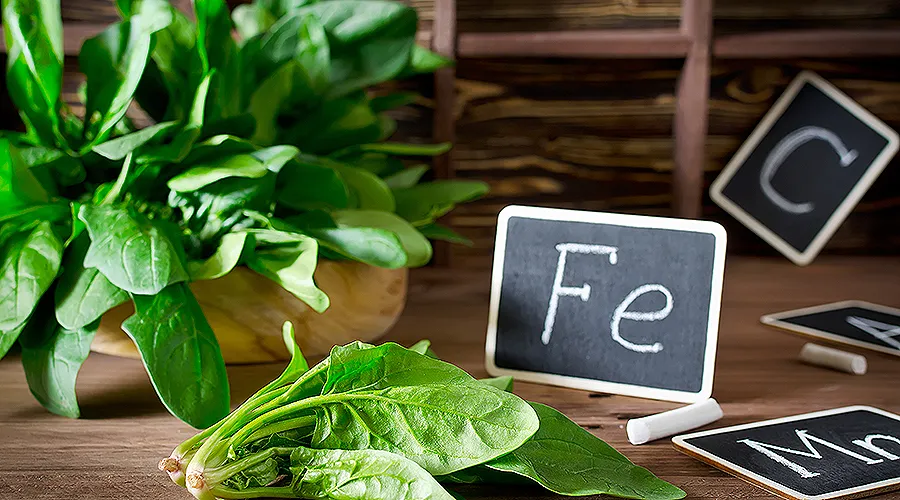
- Spinach is well-known for its iron content, providing about 6 mg of iron per cooked cup.
- Cooking spinach increases the availability of iron, so consider adding it to soups, stews, or pasta dishes.
- You can also blend cooked spinach into smoothies or sauces for an added nutritional boost without altering the taste.
- A warm spinach and chickpea salad with a lemon-tahini dressing is a delicious, iron-rich meal that’s easy to prepare and packed with nutrients.
6. Fortified Cereals
- Fortified cereals can be a simple way to boost your iron intake, as some brands provide up to 18 mg per serving.
- Look for cereals that are fortified with iron and opt for whole-grain varieties with minimal added sugar.
- A bowl of fortified cereal with plant-based milk and some vitamin C-rich fruit like strawberries or oranges can provide a significant portion of your daily iron needs at breakfast.
- Always check the label for iron content to make sure you’re getting a good dose.
7. Seeds (e.g., pumpkin, sesame, chia)
- Seeds may be small, but they pack a nutritional punch, especially when it comes to iron.
- A quarter cup of pumpkin seeds, for instance, provides around 2 mg of iron. Sesame seeds and chia seeds are also good options.
- You can sprinkle seeds over oatmeal, salads, and smoothies, or mix them into homemade energy bars.
- For an easy snack, try making a trail mix with pumpkin seeds, nuts, and dried fruit to keep your iron levels up throughout the day.
Tips on portion sizes and daily iron requirements
Understanding how much iron you need daily can help you plan your diet more effectively. The daily recommended intake for iron varies depending on age, gender, and life stage:
- Men (18 years and older): around 8 mg per day.
- Women (ages 19-50): around 18 mg per day, as they typically need more due to menstrual losses.
- Women (51 years and older): around 8 mg per day.
- Pregnant women: 27 mg per day, as iron needs increase significantly during pregnancy.
Since plant-based (non-heme) iron isn’t absorbed as efficiently as heme iron from animal products, it’s wise to aim a bit higher with iron-rich foods if you’re following a plant-based diet.
To make the most of non-heme iron, focus on combining iron-rich foods with sources of vitamin C, which can enhance absorption. For instance, pair a spinach salad with oranges or bell peppers, or enjoy a bowl of iron-fortified oatmeal topped with strawberries.
Conclusion
Managing anemia doesn’t have to feel overwhelming. With a focus on the right foods, you can support your body’s iron needs and boost your energy naturally.
Diet plays a crucial role in tackling iron deficiency anemia, and by choosing plant-based sources of iron, you’re adding not only iron but a host of other nutrients that benefit your overall health. So, go ahead and make mindful food choices.