
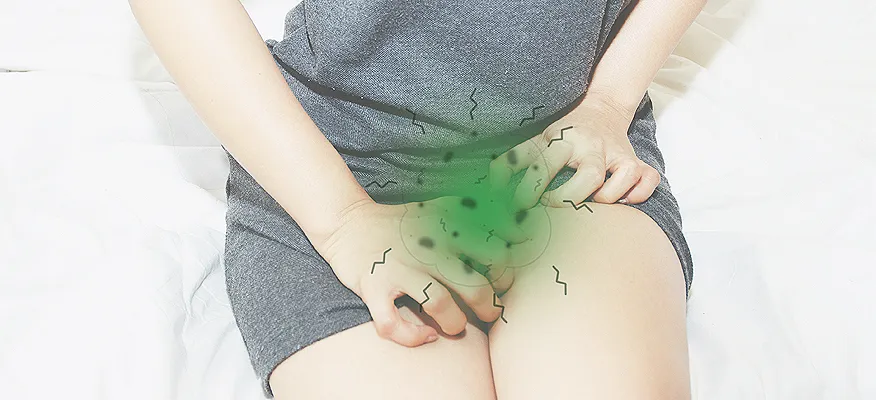
Let’s be honest — vaginal itching is one of those things no one talks about but many women experience.
Whether it’s a sudden tingle during the day or an unbearable itch at night, it can throw you off completely. And in places like ours, where cultural silence around vaginal health still lingers, many women suffer in silence, not knowing where to turn.
But here’s the truth: itching “down there” is common, and it’s not something to be ashamed of. It’s something most women have experienced at some point, often having us wondering how to get rid of vaginal itching.
If you’re looking for answers on how to stop itching down there immediately, this blog is your safe space — to understand why it happens, how to get immediate relief, and what you can do to keep it from coming back.
Let’s talk solutions that actually work, starting now.
Common causes of genital itching
One may have genital itching because of different reasons, each with a different solution. Let’s understand a few before knowing how to stop itching down there immediately:
- Allergic reactions: The skin is sensitive down there. Certain products or changes, like creams, soaps, and condoms, can trigger allergies.
- Yeast Infections: These may cause itching, irritation, and a thick, white discharge.
- Bacterial Vaginosis: It is a result of imbalance of the normal beneficial bacteria in the vagina.
- Skin Conditions: Conditions like eczema or psoriasis can affect the genital area, leading to itching.
- Hormonal Changes: Pregnancy, menopause, or hormonal fluctuations can alter the skin in the genital area.
- STIs: Sexually Transmitted Infections induce certain diseases in the private region, disrupting the quality of life.
12 tips on how to stop itching down there immediately
If you’re wondering “why is my clit itchy,” it’s important to know how to relieve the discomfort right away.
Here are 12 tips that may answer how to stop itching down there at night:
1. Use hydrocortisone cream
- Hydrocortisone cream is often recommended by doctors to reduce inflammation and itching caused by skin conditions like eczema or dermatitis around the vulva.
- Apply a thin layer as directed, but avoid using it for extended periods without medical advice, as it can thin the skin.
2. Baking soda baths or paste
- Baking soda can soothe irritation by neutralizing pH and calming itchiness.
- You can add a half-cup of baking soda to a warm bath and soak for 10-15 minutes, or make a paste by mixing baking soda with water and gently applying it to the itchy area for quick relief.
3. Yogurt and honey for yeast infections
- Plain, unsweetened yogurt contains beneficial Lactobacillus bacteria that help restore the natural balance of your vaginal flora.
- Honey has natural antifungal properties. Applying a mix of these may help ease itching caused by mild yeast infections.
4. Wear loose, breathable cotton underwear
- Tight or synthetic underwear traps moisture and heat, creating an ideal environment for bacteria and yeast to thrive.
- Opt for loose-fitting, 100% cotton underwear to allow your skin to breathe and stay dry.
5. Take oatmeal baths
- Colloidal oatmeal is known for its soothing and anti-inflammatory effects.
- Add finely ground oatmeal to a lukewarm bath and soak for about 15 minutes to help calm itchy, irritated skin.
6. Diluted apple cider vinegar (ACV)
- ACV helps balance the vaginal pH, which may relieve itching caused by imbalanced flora.
- Dilute one to two tablespoons of apple cider vinegar in a cup of water and gently apply with a clean cloth or use as a sitz bath.
- Avoid undiluted ACV, as it can cause burns.
7. Use aloe vera gel
- Aloe vera is a natural moisturizer with anti-inflammatory properties.
- Applying pure, unscented aloe vera gel to the affected area can cool irritation and reduce itching.
- Avoid scented or colored varieties that might aggravate symptoms.
8. Avoid scratching
- Though it’s tempting, scratching can break the skin and lead to infections or worsen irritation.
- Try to distract yourself or apply a cold compress to reduce the urge.
9. Take an over-the-counter antihistamine
- If your itching is related to allergies or irritants, antihistamines can help calm the body’s allergic reaction and reduce itching.
- Consult your doctor before using any medication.
10. Steer clear of scented products
- Fragrances in soaps, lotions, wipes, and feminine hygiene products can irritate the delicate skin of the vulva.
- Choose unscented, gentle cleansers and avoid perfumes to prevent worsening the itch.
11. Apply coconut oil
- Coconut oil is a natural moisturizer with antifungal and antibacterial properties.
- Gently apply a small amount to the itchy area to soothe dryness and discomfort, especially if fungal infection is suspected.
12. Keep the area dry
- Moisture can worsen itching and promote infections.
- After washing, gently pat the vulva dry with a clean towel and wear breathable clothing to help keep the area dry and comfortable.

Home remedies to stop itching down there immediately
In addition to the tips above, there is an answer for the question “What home remedy can I use to stop itching?” with home remedies for vulvar itching and burning which might provide immediate relief:
- Baking Soda for Vaginal Itching: As mentioned, baking soda can help relieve itchy vaginal skin by balancing the pH.
- Natural Remedies for Vaginal Itching: Using witch hazel can be effective for soothing a super itchy vagina caused by dryness.
- Home Remedies for Itching in Private Parts Female: Coconut oil and vitamin E oil are natural moisturizers that can help here.
When to consult your doctor for vaginal itching

While vulvar itching home remedy options can help with mild discomfort, it’s important to seek medical attention if:
- Persistent or severe itching: If the itching persists or intensifies despite using home remedies for vaginal rash.
- Presence of abnormal discharge: If you notice unusual discharge along with itching, it could be a sign of an infection that requires medical treatment.
- Painful or burning sensation: If itching is accompanied by pain or a burning sensation, it could indicate a more serious underlying condition necessitating vagina itchy inside treatment.
- Vaginal itching after sex: Itchy private parts after sex could indicate an allergic reaction, infection, or irritation, it may require labia majora itching treatment.
- Signs of an STD: If you suspect the itching might be caused by an STD, it’s crucial to see your doctor.
Preventive measures to avoid future itching
Knowing how to remove itching or itchy private part remedy, if you consciously don’t act on future possibilities.
- Gentle products: Always opt for fragrance-free soaps and hygiene products.
- Stay hydrated: Drinking enough water helps maintain healthy skin for you.
- Practice safe sex: Always use protection to avoid STIs so you need not find labia minora itching home remedies.
- Reduce stress: Stress can contribute to skin irritation and make itching worse. Working on stress levels is the epitome of home remedies for itchy vagina while pregnant.
Conclusion
Vaginal itching isn’t just uncomfortable — it can signal an imbalance or infection that needs care. When it comes to how to stop itching down there home remedies, there are effective solutions you can try, like baking soda for vaginal itching or aloe vera for itching. These home remedies for itching in private parts can help relieve discomfort quickly and naturally.
While natural remedies like yogurt, aloe vera, and coconut oil offer quick relief, it’s just as important to know when to seek medical advice.
If you’re wondering how to get rid of itching, the right remedy can make all the difference. If the itching continues or becomes severe, it is essential to consult a doctor for an accurate diagnosis.
Remember, your intimate health is a reflection of your overall wellbeing. So listen to your body, stay mindful of hygiene, avoid irritants, and opt for breathable fabrics. Most importantly, don’t be shy to talk about it — because relief starts with awareness and the right action.