

From pleasure to pain, your body can leave you with a range of feelings during sex.
Unfortunately, for nearly 30% of women, the experience often includes a burning sensation in the vagina. According to another survey, up to 75% of women will at some point in their lives have unpleasant sex.
Sex should feel intimate, not uncomfortable. Yet for many women, a burning sensation after intimacy can turn moments of closeness into episodes of confusion, discomfort, and even distress.
While it means that the issue is relatively common, it can’t be considered ‘normal’ in the sense of harmless or expected occurrence.
The vaginal burning sensation or pain after or during sex is referred to as dyspareunia, and is caused by a multitude of reasons ranging from lack of lubrication to chronic infections.
If you’re experiencing regular vaginal burning after intercourse, it’s high time you understand why it might be happening and what you can do to manage it. So, let’s dive in.
Causes of vaginal burning after intercourse

Dyspareunia is an under-researched topic that isn’t caused by any one reason and can occur due to various physical, neurological, or psychological issues.
Friction and lack of lubrication
Despite the increasing use of lubricants, natural lack of lubrication remains the leading cause of vaginal burning after sex in menopausal women due to hormonal changes and stress. Lack of communication between partners adds to the issue.
Allergic reactions
Your recurrent vaginal burning during sex may stem from an allergic reaction to the latex condom, lubricants, and spermicides. While rare, some individuals develop an allergic reaction to semen as well.
Yeast infection
Vaginal candidiasis or yeast infection is a condition occuring with an overgrowth of candida fungi. While the typical symptoms aren’t painful, urinating or having sex with the condition can cause a burning sensation due to the inflammation caused by the infection. Yeast infection is easily treatable.
Urinary tract infections (UTIs)
Bacterial overgrowth in your urinary tract — including the kidneys, bladder, or urethra — is collectively known as a urinary tract infection or UTI, and may cause a burning sensation during or after sex. From pelvic pain and vaginal burning to fever and chills, UTIs can escalate quickly if the bacteria is allowed to settle in.
Regular sexual intercourse, especially when accompanied with certain products, can change vaginal bacterial makeup and increase the risk of UTIs in women.
Sexually transmitted diseases
Most bacterial and fungal infections trigger inflammation, which in turn leads to a burning sensation—especially in sensitive areas like the vagina. Sexually transmitted diseases (STDs) often present similar symptoms. In particular, chlamydia, gonorrhea, trichomoniasis, and genital herpes are more likely to cause burning sensations after sex.
Hormonal changes
Among other hormonal changes, a depleting estrogen level cause thinning of vaginal lining and lowers mucous production, making it harder for your vagina to stretch and get wet. This may leave your vagina dry and burning during or after sex, even when you might desire to have sex.

Pelvic floor dysfunction
Particularly prevalent in women post childbirth, pelvic floor dysfunction refers to a group of disorders that impair the functions of muscles, ligaments, and tissues supporting your pelvic organs. For instance, your pelvic muscles may involuntarily contract during sex to cause more friction and a burning sensation. Beyond sex, this condition can also cause pelvic pain and bladder issues.
Vaginal trauma from past events may also cause pelvic floor dysfuntion in later life.
Skin conditions
Skin conditions like atopic dermatitis, lichen planus, and vulvodynia often develop symptoms like itching, redness, burning pee after sex, and irritation of the vulva and vagina. These conditions are usually triggered by allergens like soap and scented products, in addition to latex condoms and lubricants.
Psychological factors
Fear of pain during sex can increase muscle tension, making sex more painful to both you and your partner. Anxiety about sexual performances, or trauma from past experiences, can intensify discomfort and burning sensations.
Natural remedies to soothe vaginal burning after sex
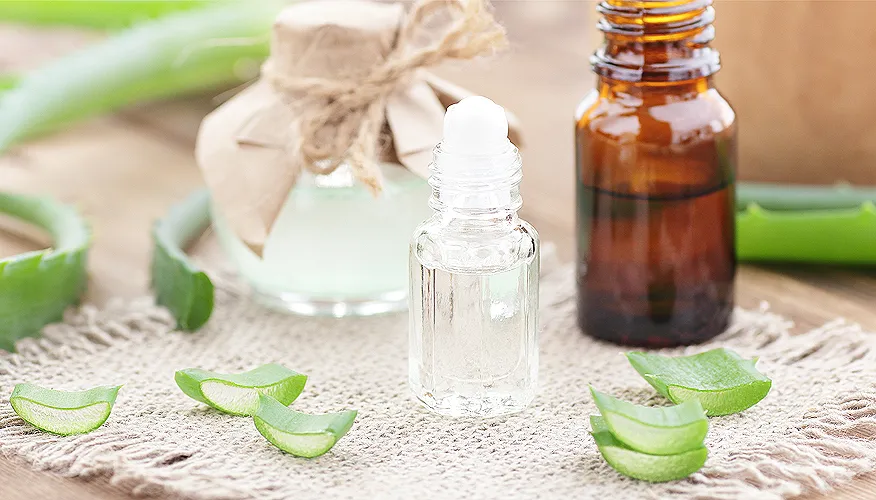
When vaginal burning occurs after sex, gentle natural remedies can provide soothing relief and support your intimate health without harsh chemicals.
Here are some of the most effective options, backed by science and practical usage tips:
Aloe vera
Aloe vera is well-documented for its anti-inflammatory and cooling properties, making it a go-to for soothing irritated skin. Studies show aloe vera can accelerate skin healing and reduce inflammation. For best results, apply pure, fragrance-free aloe vera gel directly to the affected area. Avoid products with additives or alcohol that might worsen irritation.
Coconut oil
Coconut oil serves as a natural moisturizer and has antifungal and antibacterial effects that may help prevent infections contributing to vaginal burning. Use virgin, unrefined coconut oil and apply a small amount to the irritated skin after washing and drying the area. Patch test first to rule out any sensitivity.
Oatmeal baths
Oatmeal contains compounds called avenanthramides, which have anti-inflammatory and antioxidant effects. Adding finely ground oatmeal to a lukewarm bath and soaking for 15–20 minutes can relieve burning and calm irritated skin. Make sure the water is not too hot, as heat can worsen irritation.
Probiotics
A balanced vaginal microbiome is key to preventing infections that may cause burning sensations. Probiotics promote the growth of beneficial bacteria such as Lactobacillus species. You can take probiotic supplements specifically formulated for women or consume fermented foods like yogurt and kefir. Always consult your healthcare provider before starting any new supplements.
Treatment options to cure vaginal burning after sex
The treatment options to cure vaginal burning after sex depends upon the underlying issue, but here are some preventative measures that you can take to make intercourse more enjoyable:
Preventive measures
| Cause | Treatment Options |
| Friction & Lack of Lubrication | Use lubricants (water, silicone, or oil-based) Try new positions to ease pressure |
| Infections | Take prescribed antibiotics or antifungals Use OTC creams or suppositories for yeast |
| Allergies | Switch to hypoallergenic condoms/lubes Take antihistamines if symptoms show up |
| Hormonal Changes | Ask about Hormone Replacement Therapy (HRT) for dryness |
| Vulvodynia & Pelvic Floor Dysfunction |
Do pelvic floor therapy or biofeedback Use pain meds (like antidepressants or anticonvulsants) |
Additional tips for comfort and relief
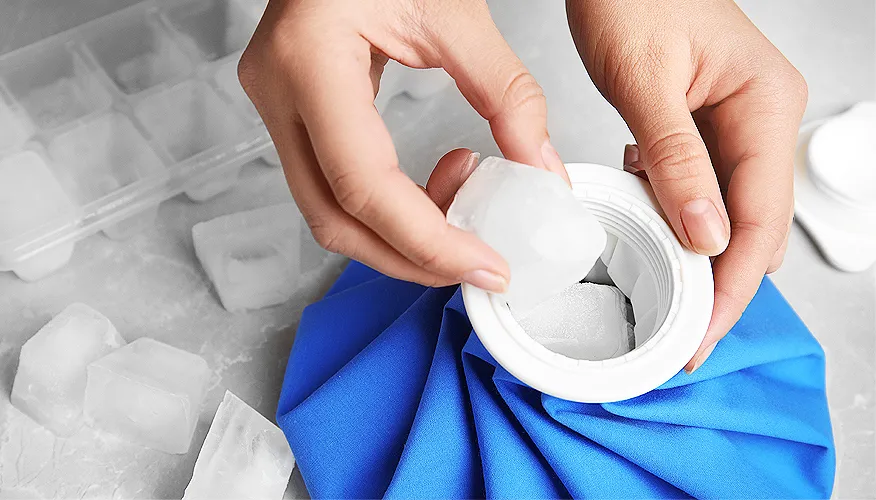
While it’s advisable to consult a doctor if you have recurrent vaginal pain after sex, here are a few tips to alleviate your discomfort quicker:
- Try a sitz bath: Soak your lower body in warm water to ease the burning feeling after sex.
- Use a cold compress: Apply a clean, cold cloth to the area for quick relief from burning.
- Take a baking soda bath: Add ¼ cup of baking soda to warm bath water, it may help fight yeast and soothe sore vaginal area after sex.
- Wear cotton underwear: Choose loose, breathable cotton to help your skin heal and stay dry.
- Avoid irritants: Skip scented soaps, douches, and harsh products that can make things worse.
- Diet changes: Incorporating probiotics into your diet can help reduce the occurrence of infections. Moreover, stay hydrated to maintain vaginal wetness.
When to see a doctor
Here is a checklist for you to see if you need to consult your doctor asap:
| Symptom/Scenario | Why It Matters |
| Persistent burning | Could signal an untreated issue. Get it checked. |
| Unusual discharge | May indicate an infection. |
| Pain or severe itching | Needs medical evaluation, especially if it affects daily life. |
| New or multiple sexual partners | STI testing is important to rule out infections. |
| Fever, chills, or pelvic pain | Could be a serious infection like PID—seek help fast. |
| Postmenopausal burning | Might need hormone therapy or other treatment. |
| No relief after treatment | You may need a different or stronger medication. |
Conclusion
We’ve discussed vaginal burning after and during sex in this article and explored the possibility of underlying conditions that may trigger the response. If you’re having persistent pain and recurring issues, please consult your doctor for further diagnosis and treatment.