
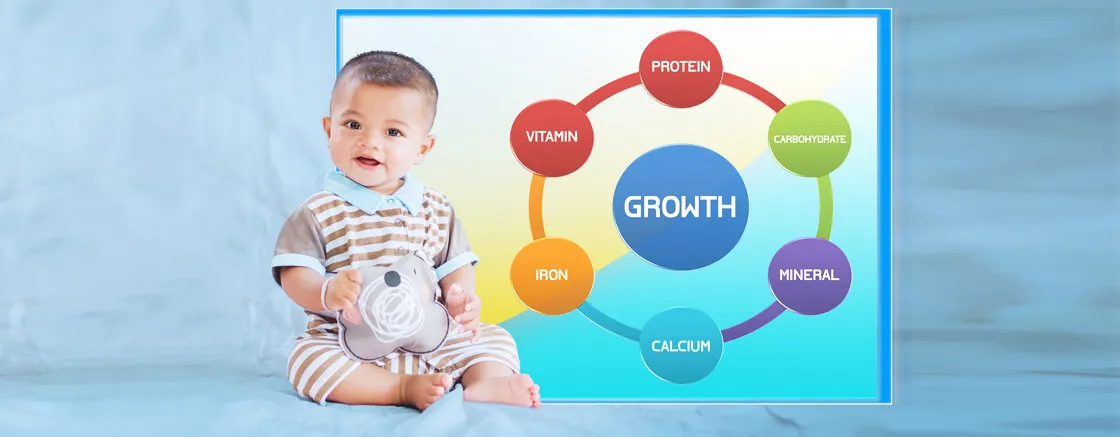
The first year of your infant is a blur of development, guffaws, and milestones. From lifting those little heads to that initial rickety step, each triumph is supported by something essential—infant nutrition. Nutrition in the initial months is not simply feeding; it’s about addressing the nutritional needs for infants 0–12 months, to make them grow strong, remain healthy, and develop at an appropriate pace.
Whether you’re a new parent or just want to get up to date on baby nutrition guidelines, this guide will take you through the basics: what your baby requires, when they require it, how much to feed them, and how to deal with frequent issues such as finicky eating and starting solids.
Let’s teach you the ins and outs of infant nutrition and feeding—one spoon at a time!
What is infant nutrition?

Infant nutrition means the entire diet and feeding routine for infants from birth through 12 months. It encompasses all aspects of newborn baby nutrition through adjusting to a toddler nutrition chart. At this pivotal development period, your baby requires a lot and needs specific nutritional requirements, prioritizing brain development, organs, immune system, and bone growth.
The basis for infant good nutrition is starting with breast milk or formula, and progressing to planned introductions of food according to child readiness and development level. Reading infant nutrition rules guarantees that you’re caring for not only your baby’s development, but his or her later health too.
Why infant nutrition is important
A well-fed baby is a contented and healthy baby. During the first 12 months, a baby will have tripled their birth weight and seen rapid brain development. All these are highly dependent on what they eat.
Ignoring the infant nutritional requirements can result in infant nutritional issues such as stunted growth, compromised immunity, delayed development, or micronutrient deficiencies. That is why it is so important to eat well during the first year—these early months have a lifelong effect.
Providing the right baby-eating nutritious food and understanding infant nutrition facts will not only keep your baby healthy today but also shape their preferences and health habits for years to come.
Stages of infant nutrition
0 to 6 months
- This stage is all about exclusive breastfeeding or formula feeding.
- Breast milk naturally meets all the nutritional requirements for infants 0–6 months.
- For formula babies, carefully read infant formula nutrition labels to know infant formula nutrition facts and prepare properly.
- Paediatricians usually prescribe baby 0–6 months vitamins, particularly Vitamin D, as it is lacking in breast milk.
- Newborn baby best vitamins may involve iron drops or multivitamin tablets based on the baby’s requirements.
- Water, juices, or any solid foods during this time—dietary guidelines for infants 0–6 months strictly discourage all of them.
6 to 12 months
- Time to add solids!
- Start with single-ingredient pureed or mashed foods such as rice cereal, banana, or sweet potato.
- Add a variety of foods from a range of food groups to cover infant nutritional requirements.
- Add nutrition food for 6 months baby such as mashed lentils, steamed vegetables (such as baby carrots or baby corn), and soft fruits.
- Maintain breast milk or formula as the primary source of nutrition, but also establish a solid food schedule gradually.
- Watch for cues that he’s ready—such as sitting with support, interest in your food, or disappearance of the tongue-thrust reflex.
12 months and older
- Your baby is now a toddler, and their needs are shifting quickly.
- Transition toward nutritional well-being in toddlers by serving three meals and two snacks a day.
- Monitor consumption with a toddler nutrition chart and prepare meals according to toddler nutrition principles.
- Prioritize whole foods, restrict sugar and salt, and add more textures and flavors.
- Good healthy nutritional snacks for toddlers include yoghurt, fruit pieces, or soft-cooked vegetables.
Key nutrients and their sources for your growing baby

Learning about infant nutritional requirements means knowing what nutrients are essential and where they can be found:
- Iron: Prevents anemia, aids brain development
- Calcium: Develops strong bones and teeth.
- Vitamin D: Assists in calcium absorption, aids immunity
You may supplement if necessary—vitamins for 1-month-old baby or vitamins for 6 months old baby should always be prescribed by a pediatrician.
Feeding milestones and tips
Feeding your baby can be daunting. Here are some milestone-based tips:
- 4–6 months: Begin slowly. Introduce one new food every few days.
- 6–8 months: Add textures. Progress from purees to thicker foods.
- 8–10 months: Provide soft finger foods such as banana slices or well-cooked pasta.
- 10–12 months: Encourage self-feeding. Use soft spoons and allow them to explore.
Keep mealtime relaxed. Place your baby in a highchair, make eye contact, and use family meal times to model behavior. The aim is to build a positive relationship with food.
Common feeding errors to steer clear of
These mistakes can result in frequent nutritional issues in infants, like iron deficiency, obesity, or food aversions:
- Hastily introducing solids before your baby is developmentally ready.
- Adding cereal to bottles (choking risk and unnecessary).
- Providing too many salty or sweet foods.
- Forcing a baby to complete meals, disregarding satiety cues.
- Introducing cow’s milk before 12 months.
Example Feeding Schedule (6–12 Months)
A simple infant meal plan could be as follows:
Time What to Provide
- 7:00 AM Breast milk/formula
- 9:00 AM Iron-fortified cereal + mashed fruit
- 12:00 PM Pureed veggies (such as baby corn), lentils
- 3:00 PM Breast milk/formula
- 6:00 PM Soft-cooked grains + mashed beans or tofu
- 8:00 PM Breast milk/formula
Customize according to your baby’s appetite and schedule. Listen to your instincts, and see what your baby prefers.
Hydration for Babies
- 0–6 months: No water. Breast milk/formula will provide enough hydration.
- After 6 months: Offer small amounts of cooled, boiled water in a sippy cup.
- Steer clear of juices or flavored beverages—they may hurt growing teeth and interfere with infant requirements.
When to talk with a pediatrician
Talk to your pediatrician if you see:
- Poor weight gain or weight loss.
- Diarrhea, vomiting, or constipation after introducing solids.
- Your infant won’t eat or miss meals frequently.
You require guidance on best vitamins for babies 0–6 months or are confused about the nutritional requirements for infants.
Conclusion
Babysitting your baby is a journey—one marked by small victories and occasional spills. Knowing infant nutritional requirements, providing a balanced diet, and steering clear of pitfalls guarantees your baby is well-prepared for a lifetime of health. Whether breast milk, formula, or solids are on the menu, each meal is a stepping stone to a bright future for your baby.