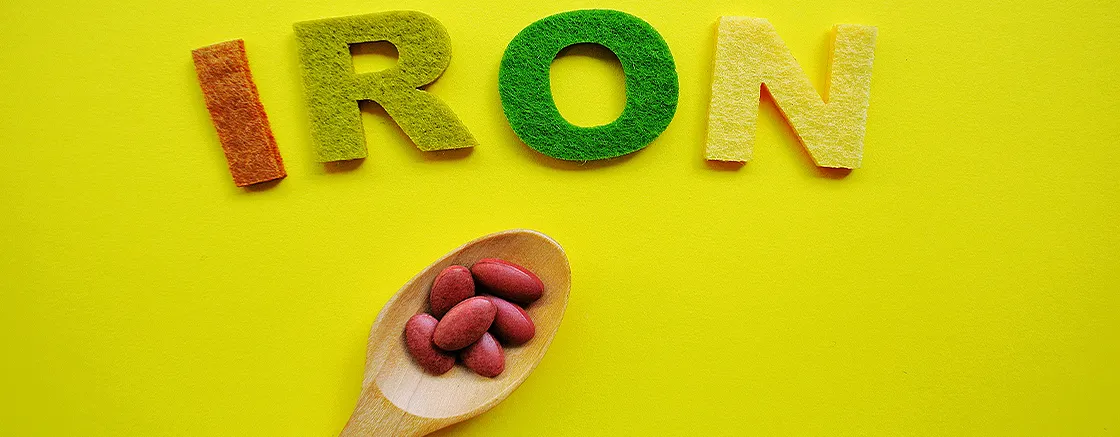
Iron is an essential mineral that plays a pivotal role in various bodily functions, including oxygen transport, energy production, and immune system support.
Ensuring adequate daily iron intake is crucial for maintaining optimal health and preventing conditions such as iron deficiency anemia.
An iron intake calculator can be a valuable tool to help individuals assess and manage their iron consumption effectively.
Understanding iron and its importance
Iron is an essential mineral, central to numerous physiological processes that sustain life.
Its primary role lies in being a key component of hemoglobin, the protein in red blood cells that transports oxygen from the lungs to tissues throughout the body, ensuring that every cell gets the oxygen it needs to function optimally.
Additionally, iron contributes to the production of myoglobin, a protein responsible for storing oxygen in muscles, which is critical for physical activity and endurance.
Beyond these, iron plays a pivotal role in supporting enzymatic reactions involved in metabolism, energy production, DNA synthesis, and maintaining overall cellular health.
A deficiency in iron, often termed iron deficiency anemia, can disrupt these vital processes and lead to a host of symptoms, including persistent fatigue, weakness, dizziness, pale skin, and shortness of breath.
These symptoms can significantly impair quality of life, reducing physical capacity and cognitive performance. On the other hand, excessive iron intake can be equally problematic, leading to iron toxicity.
This condition, often associated with disorders like hemochromatosis, can cause an accumulation of iron in vital organs such as the liver and heart, potentially resulting in serious damage and long-term health issues.
Maintaining a balanced iron intake is, therefore, not just about avoiding deficiency or excess but also about supporting the intricate network of bodily functions that rely on this essential mineral. Striking the right balance is a cornerstone of overall health and well-being.
Recommended daily iron intake
The recommended daily allowance (RDA) for iron varies based on age, sex, and physiological status (e.g., pregnancy). According to the National Institutes of Health (NIH), the RDAs for iron are as follows:
Infants:
- 0–6 months: 0.27 mg
- 7–12 months: 11 mg
Children:
- 1–3 years: 7 mg
- 4–8 years: 10 mg
Males:
- 9–13 years: 8 mg
- 14–18 years: 11 mg
- 19 years and older: 8 mg
Females:
- 9–13 years: 8 mg
- 14–18 years: 15 mg
- 19–50 years: 18 mg
- 51 years and older: 8 mg
Pregnant Women: 27 mg
Lactating Women:
- 14–18 years: 10 mg
- 19 years and older: 9 mg
These values are designed to meet the nutritional needs of nearly all healthy individuals in each demographic group. It’s important to note that vegetarians may require 1.8 times the RDA for iron due to the lower bioavailability of non-heme iron found in plant-based foods.
Factors affecting iron absorption
Several factors can influence iron absorption:
1. Enhancers:
- Vitamin C: Consuming vitamin C-rich foods (e.g., citrus fruits, tomatoes, bell peppers) alongside iron-rich meals can enhance iron absorption.
2. Inhibitors:
- Phytates: Found in whole grains and legumes, phytates can bind iron and reduce its absorption.
- Calcium: High calcium intake can interfere with iron absorption.
- Polyphenols: Compounds in tea, coffee, and some vegetables can inhibit iron absorption.
Foods that can help you boost iron in your body
Ensuring adequate iron intake is crucial for overall health, especially for individuals following a vegan diet.
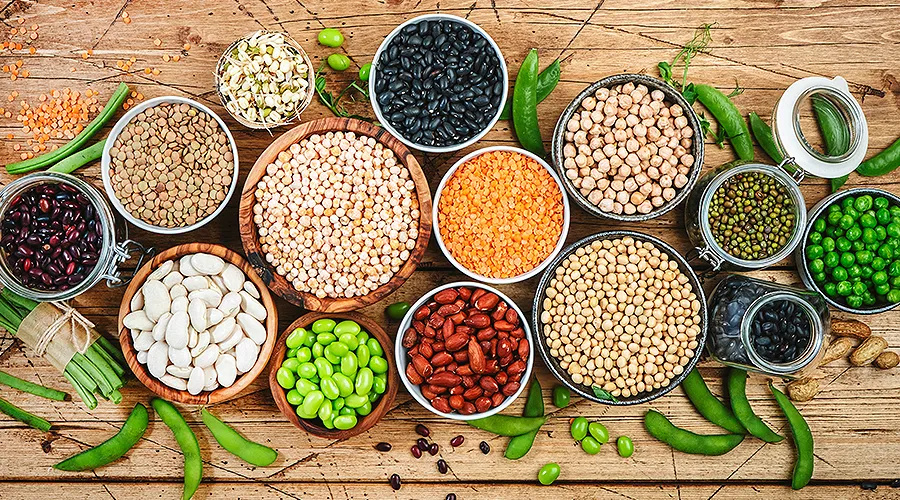
While plant-based sources provide non-heme iron, which is less readily absorbed than heme iron from animal products, incorporating a variety of iron-rich vegan foods can help meet daily requirements.
Here are some notable vegan sources of iron:
1. Legumes:
- Lentils: Cooked lentils offer approximately 6.6 mg of iron per cup, making them an excellent addition to soups, stews, and salads.
- Chickpeas: Also known as garbanzo beans, cooked chickpeas provide about 4.7 mg of iron per cup. They can be used in dishes like hummus or roasted for a crunchy snack.
- Black Beans: A cup of cooked black beans contains around 3.6 mg of iron, suitable for inclusion in burritos, salads, or as a side dish.
2. Tofu and Tempeh:
- Tofu: Half a block of tofu delivers approximately 2.6 mg of iron. It’s versatile and can be incorporated into stir-fries, scrambles, or grilled dishes.
- Tempeh: This fermented soy product provides about 4.5 mg of iron per cup and can be used in sandwiches, salads, or as a meat substitute in various recipes.
3. Nuts and Seeds:
- Pumpkin Seeds: Also known as pepitas, a half-cup serving offers around 5.2 mg of iron. They can be eaten as a snack or added to salads and granola.
- Sesame Seeds: Half a cup contains approximately 10.45 mg of iron. Incorporate them into dishes like tahini, sprinkle over salads, or use in baking.
- Cashews: A 50-gram serving provides about 6.7 mg of iron. Enjoy them as a snack or blend into creamy sauces and desserts.
4. Whole Grains:
- Oats: One cup of cooked oats contains about 3.4 mg of iron. They make a nutritious breakfast option when prepared as oatmeal or added to smoothies.
- Quinoa: This pseudo-grain offers approximately 2.8 mg of iron per cooked cup and serves as a great base for salads, bowls, or as a side dish.
5. Dark Leafy Greens:
- Spinach: One cup of cooked spinach provides around 6.4 mg of iron. It’s excellent in salads, smoothies, or sautéed as a side.
- Swiss Chard and Kale: These greens also contribute a good amount of iron and can be used in a variety of dishes, including soups and stews.
6. Fortified Foods:
- Fortified Cereals: Many breakfast cereals are fortified with iron, with some providing up to 7.8 mg per serving. Always check the nutrition label to confirm iron content.
7. Dried Fruits:
- Apricots and Raisins: These dried fruits offer a modest amount of iron and can be added to cereals, salads, or enjoyed as a snack.
Monitoring and adjusting iron intake
Regularly assessing your iron intake is important, especially for individuals at higher risk of deficiency, such as pregnant women, vegetarians, and those with certain medical conditions. Using an iron intake calculator periodically can help monitor consumption and make necessary dietary adjustments.
How an iron intake calculator can help you meet your daily nutritional needs
If you suspect an iron deficiency or experience symptoms like persistent fatigue, consult a healthcare provider.
They may recommend blood tests to assess iron levels and suggest appropriate interventions, which could include dietary changes or supplementation.
An iron intake calculator is a valuable tool designed to help individuals assess and manage their daily iron consumption.
By inputting personal information such as age, sex, weight, dietary habits, and physiological status (e.g., pregnancy), users receive tailored recommendations to ensure they meet their specific iron requirements.
Benefits of using an Iron Intake Calculator
- Personalized recommendations: These calculators consider individual factors that influence iron needs, providing customized daily intake goals.
- Dietary planning: By identifying current iron intake levels, users can adjust their diets to include more iron-rich foods, ensuring nutritional adequacy.
- Monitoring and adjustment: Regular use allows for ongoing assessment of iron consumption, helping to prevent deficiencies or excesses.
- Educational resource: Many calculators offer information on iron-rich foods and absorption enhancers, aiding users in making informed dietary choices.
Conclusion
Maintaining adequate iron levels is essential for overall health and well-being.
An iron intake calculator serves as a practical tool to help individuals understand and manage their daily iron needs.
By incorporating a balanced diet rich in both heme and non-heme iron sources and being mindful of factors affecting absorption, you can ensure sufficient iron intake to support your body’s vital functions.