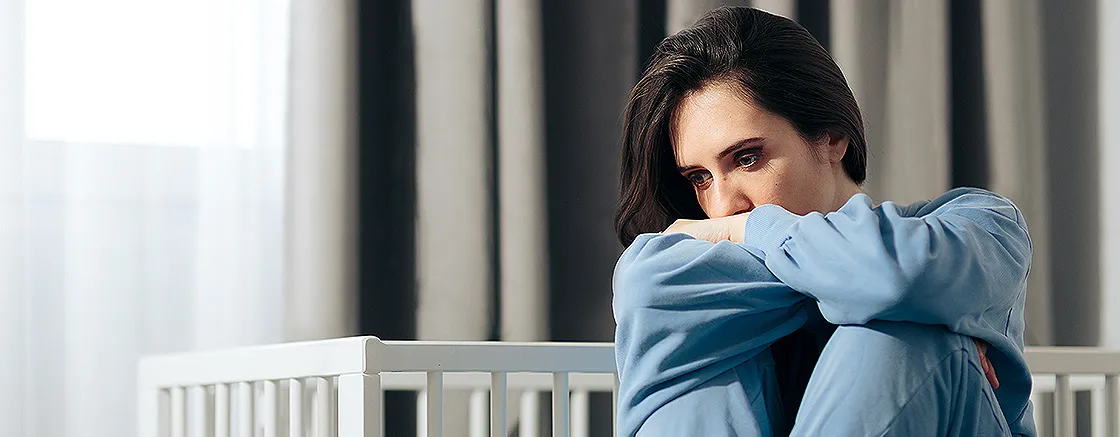
Miscarriages, defined as the loss of a pregnancy within the first 20 weeks, are a difficult experience many women face. According to estimates, around 10-20% of known pregnancies end in miscarriage, though the true number may be higher since many occur before a pregnancy is recognized. Miscarriages carry a profound emotional impact, often leading to feelings of grief, guilt, and confusion, as couples try to understand why it happened.
A miscarriage can result from a variety of factors, from genetic and anatomical issues to lifestyle habits. However, nutritional deficiencies, particularly anemia and iron deficiency, are also significant contributors to miscarriage risk. Iron plays a crucial role in carrying oxygen to both the mother and the developing baby, so when iron levels are low, the risk of complications, including miscarriage, rises. Understanding and addressing these nutritional aspects can be an important step in supporting pregnancy health.
Anemia and miscarriage risk: what you need to know
Anemia, particularly iron deficiency anemia, is a condition where the body doesn’t have enough healthy red blood cells to carry adequate oxygen to its tissues. Iron-deficiency anemia, the most common form, occurs when iron levels drop, affecting the body’s ability to produce hemoglobin – the protein in red blood cells responsible for oxygen transport. When iron is insufficient, fewer red blood cells are available to circulate oxygen, leading to fatigue, weakness, and other symptoms that can impact overall health.
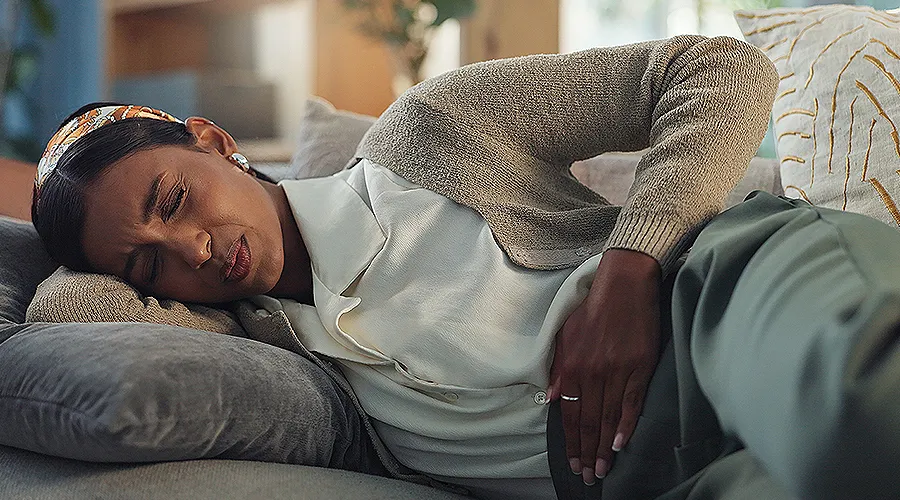
In pregnancy, iron needs to increase significantly to support the mother’s blood volume expansion and to supply oxygen to the developing fetus. When a pregnant woman experiences iron deficiency anemia, her body struggles to meet these demands, reducing the oxygen supply available for fetal development. This oxygen shortfall can pose serious risks: it can lead to fetal growth restrictions, preterm birth, and, in severe cases, miscarriage. Inadequate oxygenation due to anemia disrupts the support system needed for healthy fetal development, which is crucial in the early stages of pregnancy.
Several studies highlight the association between iron-deficiency anemia and miscarriage risk. When anemia is untreated or not managed effectively, it compromises both the mother’s and baby’s health. Proper iron levels support optimal blood flow and ensure that vital nutrients and oxygen reach the fetus, minimizing risks of developmental issues or pregnancy complications.
For expectant mothers, early testing for anemia and proactive management through iron-rich diets or supplements (as recommended by healthcare providers) can play a critical role in reducing miscarriage risk and supporting a healthy pregnancy journey.
Recognizing anemia symptoms in pregnancy
Anemia during pregnancy can often go unnoticed initially, but several symptoms may signal low iron levels. Recognizing these symptoms early and seeking appropriate care can be crucial for both maternal and fetal health and prevent miscarriage.
Common symptoms of anemia in pregnancy include:
- Fatigue and Weakness: Feeling constantly tired or weak is one of the most noticeable signs of anemia. Low iron levels mean less oxygen is available for the body’s cells, leading to persistent fatigue that rest alone can’t relieve.
- Dizziness and Lightheadedness: Iron deficiency anemia reduces blood flow to the brain, causing dizziness or feeling faint, especially when standing up quickly or moving suddenly.
- Pallor (Pale Skin and Nails): Reduced red blood cells lead to pale or ashen skin, especially noticeable in the face, nails, and inner eyelids.
- Shortness of Breath: Even minimal physical activity can cause shortness of breath as the body works harder to circulate oxygen in the bloodstream.
- Headaches: Frequent headaches, especially with fatigue and dizziness, can also be a sign of iron deficiency.
- Heart Palpitations: Anemia can cause the heart to work harder to pump oxygen-rich blood, leading to a faster or irregular heartbeat.
Safe ways to boost iron levels in pregnancy
Increasing iron levels during pregnancy is essential for supporting both maternal health and fetal development and preventing miscarriage. Here are some safe and effective ways to include iron-rich foods in your pregnancy diet.
1. Leafy Green Vegetables
Dark leafy greens, such as spinach, kale, and Swiss chard, are excellent plant-based sources of iron. They are easy to add to salads, smoothies, or soups, making them versatile and nutritious. One cup of cooked spinach, for example, provides about 6 mg of iron.
2. Lentils and Legumes
Lentils, chickpeas, and kidney beans are rich in iron and provide a healthy dose of fiber, protein, and essential minerals. Half a cup of cooked lentils contains around 3 mg of iron, making it a valuable addition to meals.
3. Fortified Grains and Cereals
Many cereals and grains are fortified with iron. Look for options like iron-fortified oatmeal, whole grains, and certain breakfast cereals that list iron as an added nutrient. These options can make a quick and easy breakfast while helping to meet daily iron needs.
4. Seeds and Nuts
Pumpkin seeds, sunflower seeds, and cashews contain iron and are great for snacking. Just a handful of pumpkin seeds provides about 2 mg of iron. Incorporating seeds into salads, yogurts, or smoothies adds a nutrient boost without much effort.
5. Tofu and Soy Products
Tofu is a plant-based protein that also offers a significant amount of iron, making it ideal for vegetarians and vegans. Half a cup of tofu provides about 3 mg of iron. Add tofu to stir-fries, salads, or soups for a nutrient-dense option.
6. Quinoa
Quinoa is not only high in iron but also provides protein, fiber, and a variety of other nutrients. It’s a great alternative to rice or pasta and can be used in both savory and sweet dishes. One cup of cooked quinoa provides around 2.8 mg of iron.
7. Dried Fruits
Dried apricots, raisins, and prunes are convenient and iron-rich snacks that can easily be added to trail mix, oatmeal, or salads. A small handful of dried apricots contains about 1 mg of iron, making it a nutritious addition to any meal or snack.
Iron supplementation: dos and don’ts
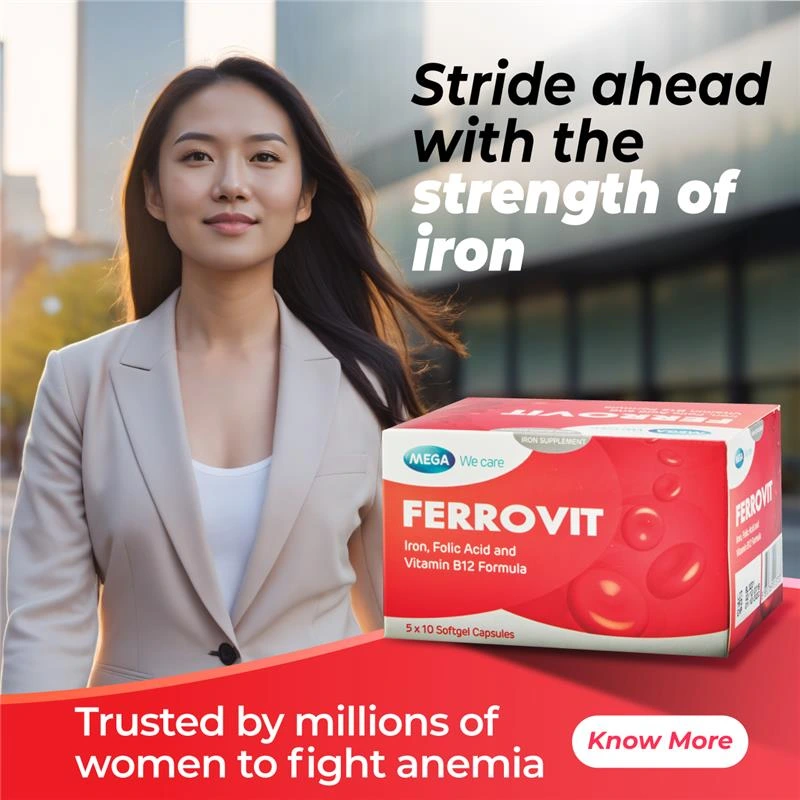
Iron supplementation during pregnancy can be beneficial for women who may struggle to meet their increased iron needs through diet alone.

However, there are some dos and don’ts you need to take care of:
Dos for taking iron supplements
- Consult your healthcare provider: Before starting any supplement, speak with your healthcare provider. They can assess your iron levels through blood tests and determine the right dosage to avoid both deficiency and excess iron.
- Take supplements with Vitamin C: Vitamin C helps improve iron absorption, so consider taking your supplement with a glass of orange juice or alongside vitamin C-rich foods like bell peppers, strawberries, or citrus fruits.
- Follow the recommended dosage: Over-supplementing with iron can lead to digestive discomfort and, in severe cases, toxicity. Stick to the dosage recommended by your healthcare provider, as too much iron can cause constipation, nausea, or abdominal pain.
- Be consistent: For optimal results, take your iron supplement daily at the same time. Consistency helps maintain steady iron levels in the bloodstream, supporting ongoing pregnancy needs.
Don’ts for taking iron supplements
1. Don’t combine with calcium-rich foods or supplements
- Calcium can inhibit iron absorption, so avoid taking your supplement alongside calcium-rich foods (like dairy products) or calcium supplements.
- A gap of at least a couple of hours is ideal.
2. Avoid antacids around supplement time
- Antacids can interfere with iron absorption, so avoid taking them within a few hours of your iron supplement.
- If you need to take antacids, consult your healthcare provider for guidance on timing.
3. Skip tea and coffee near supplement time:
- Tannins in tea and coffee can reduce iron absorption, so it’s best to avoid these beverages for about an hour before and after taking your supplement.
4. Don’t self-medicate:
- Iron supplementation should be based on medical advice. Self-medicating or choosing high-dose iron pills without a prescription can lead to excess iron, which poses risks for both mother and baby.
Conclusion
Addressing anemia and iron deficiency is a critical part of ensuring a healthy pregnancy. Adequate iron levels support both maternal health and fetal development by ensuring that enough oxygen reaches the growing baby. Iron deficiency during pregnancy can lead to complications, including an increased risk of miscarriage, preterm birth, and low birth weight. By prioritizing iron intake through a balanced diet, plant-based iron-rich foods, and safe supplementation when necessary, expectant mothers can take proactive steps toward a healthier pregnancy journey and prevent miscarriage.