Imagine feeling exhausted all the time, no matter how much you rest. Climbing a flight of stairs leaves you breathless, and even your skin looks paler than usual. If this sounds familiar, anemia could be the hidden culprit.
Anemia, a condition marked by a lack of healthy red blood cells, is one of the most common blood disorders worldwide, affecting millions of people across all age groups. It often goes unnoticed until low hemoglobin symptoms like fatigue, weakness, or pale skin become hard to ignore.
Among the many causes of anemia, iron deficiency stands out as the most prevalent. This occurs when the body doesn’t have enough iron to produce adequate hemoglobin—a protein in red blood cells that carries oxygen to the tissues.
Over-the-counter (OTC) iron supplements have become a widely accessible solution to combat this deficiency. These supplements are designed to replenish the body’s iron stores, offering a straightforward and effective way to address iron deficiency anemia.
With the right approach, they can significantly improve energy levels, cognitive function, and overall quality of life for those affected.
This blog explores how OTC iron pills work to treat anemia and what to expect on the journey to recovery.
How over-the-counter iron pills aid in treating anemia
Iron deficiency anemia occurs when the body lacks sufficient iron to produce adequate hemoglobin, the protein in red blood cells responsible for oxygen transport.

Over-the-counter (OTC) iron supplements are commonly used to replenish iron stores and treat this condition.
Mechanism of Action: Replenishing Iron Stores
Iron supplements provide the body with the necessary iron to increase hemoglobin count.
Once ingested, the iron is absorbed in the small intestine and enters the bloodstream, where it binds to transferrin, a protein that transports iron to various tissues, including the bone marrow.
In the bone marrow, iron is utilized in the production of hemoglobin and red blood cells, thereby increasing oxygen-carrying capacity and alleviating anemia symptoms.
Types of OTC iron supplements
Several forms of iron supplements are available over the counter, each varying in elemental iron content and absorption rates:
- Ferrous Sulfate: One of the most commonly used forms, containing approximately 20% elemental iron.
- Ferrous Fumarate: Contains about 33% elemental iron and is often used due to its higher iron content per tablet.
- Ferrous Gluconate: Contains around 12% elemental iron and may be gentler on the stomach for some individuals.
Recommended dosages and Forms
The appropriate dosage of iron supplements depends on the individual’s age, sex, and severity of iron deficiency. For adults, typical dosages are:
- Ferrous Sulfate: 325 mg tablet (providing 65 mg of elemental iron) taken once to three times daily.
- Ferrous Fumarate: 210 mg tablet taken one to three times daily.
It’s important to note that taking iron supplements with vitamin C can enhance absorption, while certain foods and beverages like tea, coffee, and dairy products may inhibit it.
Consulting a Healthcare Provider
Before starting iron supplementation, it’s crucial to consult a healthcare provider.
They can confirm an iron deficiency diagnosis through blood tests and recommend the appropriate dosage and form of iron supplement.
This personalized approach helps prevent potential side effects, such as gastrointestinal discomfort, and ensures effective treatment.
Additionally, a healthcare provider can monitor progress and adjust the treatment plan as needed.
How long does it take to recover from anemia with an iron supplement
Iron supplementation is a common treatment to replenish iron stores and restore normal hemoglobin levels.
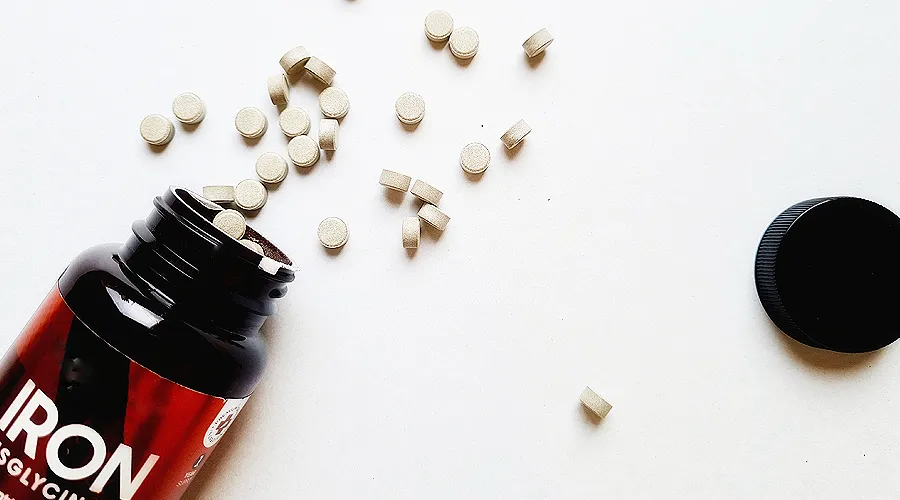
Here’s a brief overview of how long it takes to recover from anemia with an iron supplement
Typical duration to notice symptom improvement
- Patients often begin to experience an improvement in symptoms such as increased energy levels and reduced fatigue within two weeks of starting iron supplementation.
- However, the exact timeframe can vary based on individual factors.
Timeframe for restoring normal iron levels and hemoglobin count
- While symptom improvement may be noticed relatively soon, fully restoring iron levels and hemoglobin counts typically takes longer.
- It generally requires several months of consistent iron supplementation to replenish iron stores and normalize low hemoglobin levels.
- Healthcare providers often recommend continuing iron supplements for at least three to six months after hemoglobin levels have normalized to ensure adequate replenishment of iron stores.
Factors influencing recovery speed
Several factors can influence the speed of recovery from iron deficiency anemia:
- Severity of deficiency: Individuals with more severe iron deficiency may require a longer duration of supplementation to restore normal levels.
- Underlying health conditions: Conditions such as chronic kidney disease, gastrointestinal disorders, or ongoing blood loss can affect the body’s ability to absorb or retain iron, potentially prolonging recovery.
- Adherence to supplementation: Consistent intake of prescribed iron supplements is crucial for effective treatment. Skipping doses or discontinuing supplementation prematurely can delay recovery.
- Dietary factors: Consuming foods rich in vitamin C can enhance iron absorption, while certain foods and beverages like tea, coffee, and dairy products may inhibit it.
Monitoring progress
- While some individuals may notice improvements in energy levels and reduction of anemia symptoms within two weeks of starting supplementation, it’s essential to continue treatment as prescribed.
- Regular blood tests are recommended to monitor hemoglobin and ferritin levels, ensuring that iron stores are adequately replenished.
Potential side effects and management of iron supplements
Iron supplements are commonly used to treat iron deficiency anemia, but they can cause side effects, particularly related to the gastrointestinal system.
Common side effects
- Gastrointestinal discomfort: Nausea, vomiting, stomach cramps, and heartburn are frequent complaints.
- Constipation: Iron supplements can slow intestinal motility, leading to constipation.
- Diarrhea: Some individuals may experience diarrhea as a reaction to iron supplementation.
- Dark Stools: Iron can cause stools to appear dark or black, which is typically harmless but can be alarming if unexpected.
Tips to mitigate side effects
- Take with food: Consuming iron supplements with meals can reduce stomach upset. However, be aware that certain foods may inhibit iron absorption.
- Start with lower doses: Beginning with a lower dose and gradually increasing can help the body adjust and minimize side effects.
- Stay hydrated and active: Drinking plenty of water and engaging in regular physical activity can alleviate constipation.
- Consider alternative forms: If side effects persist, consult a healthcare provider about trying a different form of iron supplements, such as a liquid or a different salt form, which may be better tolerated.
Signs of excessive iron intake
- Severe gastrointestinal symptoms: Intense abdominal pain, persistent vomiting, and diarrhea may indicate iron overdose.
- Systemic symptoms: Dizziness, low blood pressure, rapid heart rate, and confusion can occur with significant iron toxicity.
- Organ damage: In extreme cases, excessive iron can lead to liver damage, metabolic acidosis, and multi-organ failure.

Importance of adhering to recommended dosages
Following prescribed dosages is crucial to avoid the risks associated with iron toxicity.
The upper limit for iron intake for individuals aged 14 and older is 45 mg per day, unless otherwise directed by a healthcare provider.
Exceeding this amount without medical supervision can lead to serious health complications. Always consult with a healthcare professional before starting or adjusting iron supplementation to ensure safe and effective treatment.
Monitoring progress and when to seek further medical advice
Effectively managing iron deficiency anemia requires ongoing monitoring and timely medical consultations to ensure treatment efficacy and address any complications.
Importance of regular blood tests
Regular blood tests are essential to assess the effectiveness of iron supplementation and monitor recovery progress. Key tests include:
- Complete Blood Count (CBC): Evaluates hemoglobin levels and red blood cell indices to determine anemia status.
- Serum Ferritin: Measures stored iron in the body, providing insight into iron reserves.
- Serum Iron and Total Iron-Binding Capacity (TIBC): Assess the amount of circulating iron and the blood’s capacity to transport iron.
These tests help healthcare providers tailor treatment plans and make necessary adjustments.
Recognizing persistent symptoms
If symptoms such as fatigue, weakness, or shortness of breath continue despite adherence to iron supplementation, it may indicate:
- Inadequate iron absorption: Conditions like celiac disease or inflammatory bowel disease can impair iron absorption.
- Ongoing blood loss: Unidentified sources of bleeding, such as gastrointestinal ulcers or heavy menstrual periods, may persist.
- Alternative diagnoses: Other forms of anemia or medical conditions might be present.
When to seek further medical evaluation
Consult a healthcare provider if:
- Symptoms persist or worsen: Ongoing or escalating symptoms despite treatment warrant further investigation.
- Adverse reactions occur: Experiencing severe side effects from iron supplements, such as intense gastrointestinal discomfort, requires medical attention.
- No improvement in blood tests: Lack of progress in hemoglobin or ferritin levels after a reasonable period suggests the need for alternative approaches.
In such cases, additional evaluations may include:
- Advanced diagnostic tests: Procedures like endoscopy or colonoscopy to identify sources of bleeding.
- Assessment for malabsorption syndromes: Tests to detect conditions that hinder nutrient absorption.
- Referral to specialists: Consultation with hematologists or gastroenterologists for specialized care.
Proactive monitoring and prompt medical consultations are vital to effectively address iron deficiency anemia and ensure optimal health outcomes.
Conclusion
OTC iron supplements are a simple and effective way to combat iron deficiency anemia, replenishing iron stores and boosting hemoglobin levels to alleviate symptoms like fatigue and weakness. Choosing the right supplement and adhering to recommended dosages are key to safe and successful treatment.
Regular check-ups with a healthcare provider ensure that the supplementation is effective and allow for adjustments if needed. Recovery takes time and consistent effort, but with the right supplements and long-term care, you can restore your energy, improve your health, and maintain balanced iron levels for the future.