Feeling constantly tired or a little off, but can’t quite pinpoint why? It might be anemia, a condition that’s more common than you think—and sometimes, it goes unnoticed.
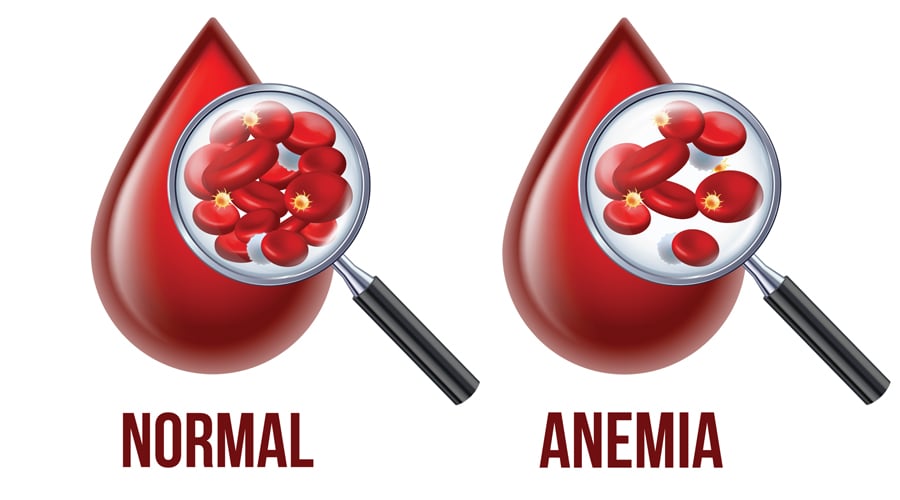
Anemia can leave you feeling constantly tired, lightheaded, or just not yourself. It happens when your body doesn’t have enough healthy red blood cells to deliver oxygen to your tissues, and iron deficiency is often the culprit. If left unchecked, it can impact your daily life, making even the simplest tasks feel draining.
But here’s the good news: by making a few smart food choices and healthy lifestyle tweaks, you can keep your blood levels in check and prevent anemia.
Iron is key, but it’s not the only nutrient that matters. Vitamins like C, folate, and B12 play a big role in helping your body absorb and use iron effectively.
In this guide, we’ll dive into which foods to eat and habits to adopt to support healthy blood levels naturally.
Iron’s role in preventing anemia
Iron is a cornerstone nutrient for maintaining healthy blood and preventing anemia.
It plays a vital role in the production of hemoglobin, the protein in red blood cells responsible for transporting oxygen from your lungs to tissues throughout your body.
When your body doesn’t have enough iron, it can’t make the hemoglobin needed, leading to iron deficiency anemia. This can leave you feeling constantly tired, weak, and struggling with everyday activities.
Types of iron-rich food to rely on
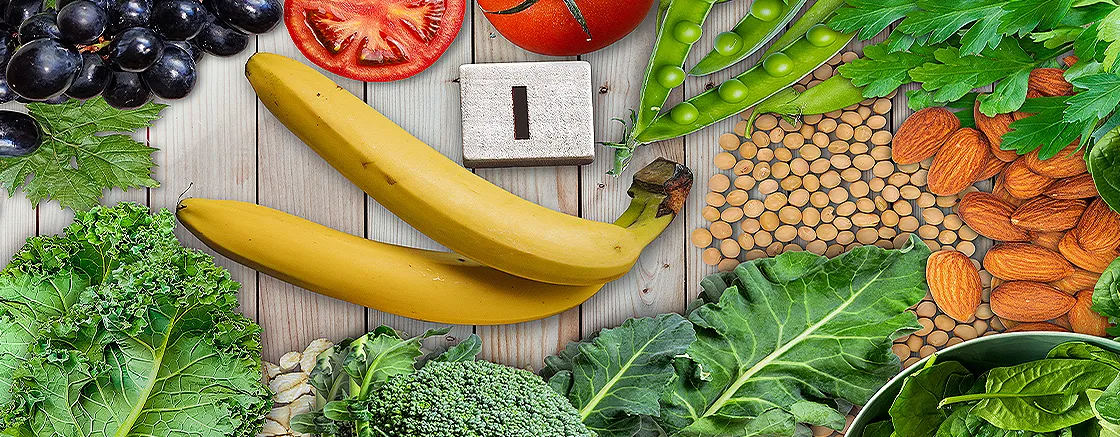
Maintaining adequate iron levels is crucial for overall health. Here’s a comprehensive list of iron-rich foods:
Legumes:
- Lentils: Cooked lentils offer about 6.6 mg of iron per cup.
- Chickpeas: A cup of cooked chickpeas provides approximately 4.7 mg of iron.
- Black Beans: One cup of cooked black beans contains around 3.6 mg of iron.
- Kidney Beans: Cooked kidney beans offer about 5.2 mg of iron per cup.
- Soybeans: A cup of cooked soybeans provides approximately 9.9 mg of iron.
Nuts and Seeds:
- Pumpkin Seeds: Dried pumpkin seeds contain about 11.4 mg of iron per cup.
- Sesame Seeds: One cup of dried sesame seeds offers around 21 mg of iron.
- Cashews: A cup of whole cashews provides approximately 7.8 mg of iron.
- Almonds: Whole almonds contain about 5.3 mg of iron per cup.
- Flaxseeds: A cup of whole flaxseeds offers around 9.6 mg of iron.
Whole Grains:
- Quinoa: Cooked quinoa provides about 2.8 mg of iron per cup.
- Oats: One cup of oats contains approximately 4.7 mg of iron.
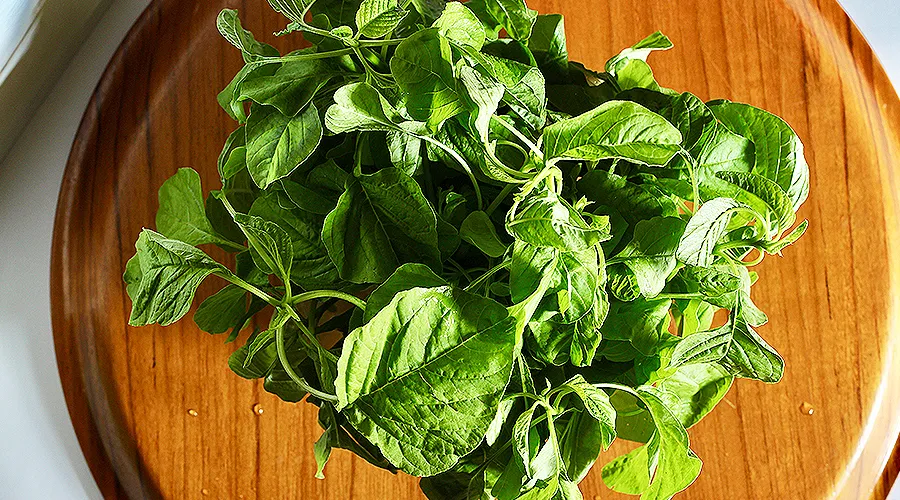
- Amaranth: A cup of cooked amaranth offers around 5.2 mg of iron.
- Brown Rice: Cooked brown rice provides about 0.8 mg of iron per cup.
- Fortified Cereals: Many cereals are fortified with iron, offering varying amounts per serving.
Vegetables:
- Spinach: Cooked spinach contains about 6.4 mg of iron per cup.
- Swiss Chard: One cup of cooked Swiss chard provides approximately 3.9 mg of iron.
- Broccoli: Cooked broccoli offers about 1 mg of iron per cup.
- Kale: A cup of cooked kale contains around 1 mg of iron.
- Brussels Sprouts: Cooked Brussels sprouts provide about 1.8 mg of iron per cup.
Dried Fruits:
- Apricots: Dried apricots offer about 2.7 mg of iron per half-cup.
- Raisins: A half-cup of raisins contains approximately 1.3 mg of iron.
- Prunes: Dried prunes provide about 0.9 mg of iron per half-cup.
- Dates: A half-cup of dates offers around 1 mg of iron.
- Figs: Dried figs contain about 0.8 mg of iron per half-cup.
Other Sources:
- Tofu: Half a cup of tofu provides approximately 3 mg of iron.
- Tempeh: A cup of tempeh offers around 4.5 mg of iron.
- Dark Chocolate: One ounce of dark chocolate contains about 3.4 mg of iron.
- Blackstrap Molasses: Two tablespoons provide approximately 7.2 mg of iron.
Additional nutrients supporting healthy blood levels
While iron is the primary nutrient associated with preventing anemia, other essential vitamins contribute to maintaining healthy blood and overall well-being.
1. Vitamin B12
Vitamin B12 is crucial for the formation of healthy red blood cells and proper nerve function. A deficiency in B12 can lead to megaloblastic anemia, where the body produces abnormally large and dysfunctional red blood cells, resulting in fatigue and other health issues.
- Plant-Based Sources:
- Fortified Cereals: Many breakfast cereals are fortified with B12, making them a practical source for those following a plant-based diet.
- Nutritional Yeast: Often fortified with B12, nutritional yeast is a popular and versatile ingredient that can be added to various dishes for a cheesy flavor.
- Plant-Based Milk Alternatives: Check labels for B12-fortified options, such as soy, almond, or oat milk.
2. Folate (Vitamin B9)
Folate is essential for DNA synthesis and cell division, making it critical for the production of healthy red blood cells. A deficiency can also lead to megaloblastic anemia, similar to a B12 deficiency.
- Plant-Based Sources:
- Leafy Greens: Spinach, kale, and Swiss chard are excellent sources of folate and easy to incorporate into salads, smoothies, or cooked dishes.
- Legumes: Lentils, chickpeas, and black beans provide significant amounts of folate.
- Asparagus and Broccoli: These vegetables are rich in folate and can be enjoyed steamed, roasted, or added to a variety of meals.
3. Vitamin B6
Vitamin B6 is involved in the production of hemoglobin, the molecule that carries oxygen in the blood. It also supports the creation of neurotransmitters, aiding in brain health. A deficiency in B6 can lead to microcytic anemia, where red blood cells become smaller and less effective at carrying oxygen.
- Plant-Based Sources:
- Bananas: A convenient snack and a good source of vitamin B6.
- Potatoes: Versatile and nutrient-dense, potatoes can be boiled, baked, or mashed to add vitamin B6 to your diet.
- Chickpeas: High in B6 and other nutrients, chickpeas can be used in hummus, salads, and stews for a nutritional boost.
Lifestyle habits to maintain healthy blood levels
Lifestyle habits play an essential role in supporting your body’s ability to produce and maintain healthy red blood cells.
Here are some key habits to adopt:
1. Regular exercise for blood circulation and health
- Promotes Oxygen Flow: Regular physical activity helps improve blood circulation, ensuring oxygen and nutrients are delivered effectively throughout the body.
- Boosts Red Blood Cell Production: Exercise stimulates the production of erythropoietin, a hormone that encourages red blood cell production.
- Recommended Activities: Aim for at least 30 minutes of moderate exercise (e.g., walking, cycling, or swimming) most days of the week.
Avoiding smoking and limiting alcohol intake
- Impact on Oxygen Levels: Smoking reduces the amount of oxygen that reaches your tissues, which can negatively impact red blood cell function.
- Alcohol and Nutrient Absorption: Excessive alcohol intake can interfere with the absorption of essential nutrients like vitamin B12 and folate, which are needed for healthy blood.
- Healthy Choices: If you smoke, consider quitting or seeking support to reduce the habit. Limit alcohol consumption to moderate levels, such as one drink per day for women and two for men.
2. Routine health check-ups
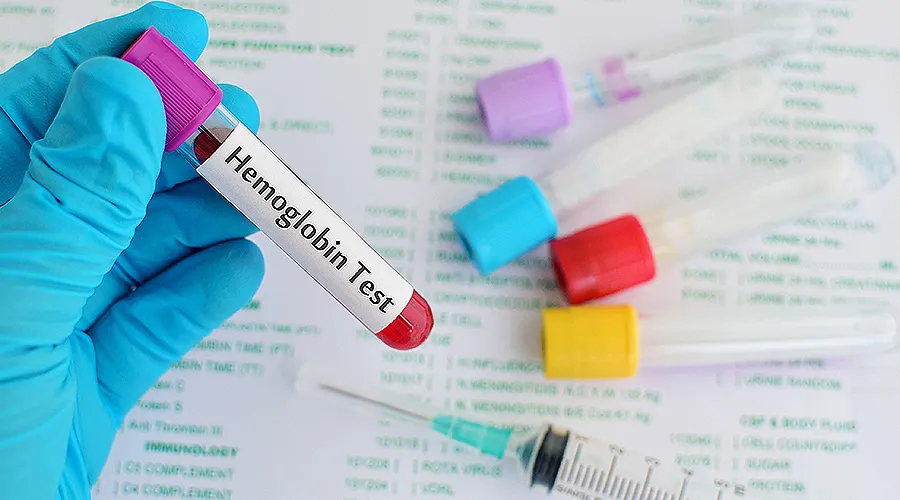
- Monitoring Blood Health: Regular blood tests can help track your hemoglobin levels and detect potential deficiencies early on.
- Preventive Measures: Routine check-ups with your doctor can help identify risk factors and make adjustments to your diet or lifestyle as needed.
- Keep a Health Record: Maintain a record of your blood test results and health history to better understand trends and make informed decisions.
3. Getting enough sleep
- Role in Body Repair: Quality sleep allows your body to repair and regenerate, which includes the production of red blood cells.
- Avoid Sleep Deficiency: Aim for 7-9 hours of sleep per night to support overall health and blood function.
4. Managing stress levels
- Stress and Red Blood Cell Production: Chronic stress can negatively impact the body’s ability to produce red blood cells due to hormonal changes.
- Incorporate Relaxation Techniques: Practices such as deep breathing, meditation, or yoga can help manage stress and promote overall well-being.
Conclusion
Maintaining healthy blood levels and preventing anemia requires a holistic approach that combines a balanced, plant-based diet with healthy lifestyle habits.
Prioritizing iron-rich foods such as leafy greens, legumes, whole grains, and fortified cereals helps supply your body with the nutrients it needs to produce healthy red blood cells.
Remember, it’s not just about eating the right foods, but also about enhancing iron absorption by pairing them with vitamin C sources and being mindful of potential inhibitors like tea, coffee, and calcium.