

Mornings are rushed, lunch breaks are short, and bathroom visits at school aren’t always convenient. For many kids, these daily routines can lead to one common problem—constipation.
When children don’t get enough time to use the restroom or feel uncomfortable doing so at school, they may hold it in, leading to irregular bowel movements, stomach pain, and discomfort.
School-time constipation in kids is a common yet often underestimated problem that can significantly impact a child’s health. The shift from a home environment to a structured school routine can disrupt regular eating and bathroom habits, leading to irregular bowel movements.
Many children feel embarrassed or uncomfortable using school restrooms, which often exacerbates the issue.
Additionally, busy schedules, limited physical activity during school hours, and insufficient hydration can all contribute to constipation.
By understanding the causes and implementing practical constipation treatment, parents can help their children maintain healthy digestion and ensure that constipation doesn’t interfere with their school experience.
Understanding school-time constipation
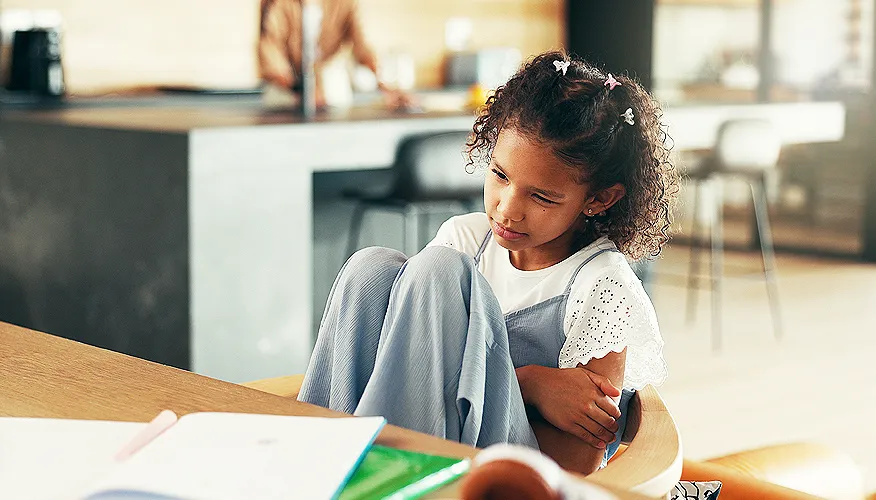
Constipation in children in school often arises due to changes in routine, dietary habits, and stress levels associated with the structured school environment.
- Many children experience a reluctance to use school restrooms due to lack of privacy, unhygienic conditions, or the fear of being teased.
- As a result, they may suppress the natural urge to defecate, which can lead to stool buildup, hardening, and eventual constipation.
- Another contributing factor is inadequate hydration. Busy schedules and limited access to water during class hours may reduce a child’s fluid intake, a critical component of healthy digestion.
- Dietary changes, such as skipping breakfast or consuming low-fiber, processed lunches, also play a significant role in constipation in kids.
- Additionally, reduced physical activity during school hours can slow intestinal movement, further exacerbating the problem.
Signs your child might be struggling with constipation
Recognizing the signs of constipation in children is vital for early intervention.
While occasional irregularity is common, persistent symptoms indicate the need for attention.
Irregular or infrequent bowel movements
- One noticeable sign when you’re questioning what is constipation in children is when there are fewer than three bowel movements a week.
- Parents should also monitor whether bowel movements are unusually hard or dry, which can cause discomfort and reluctance to use the restroom.
Straining during bowel movements
- If your child spends an extended period on the toilet or appears to struggle while defecating, this could indicate constipation.
- Straining is often a sign that the stool has become too hard to pass easily.
Abdominal pain or discomfort
- Children with constipation may complain of stomach aches or cramps, especially around the lower abdomen.
- They may also feel bloated due to gas buildup, which further exacerbates discomfort.
Loss of appetite
- A child experiencing constipation may eat less than usual or show signs of being full quickly.
- This happens because the digestive system slows down, leading to a feeling of heaviness or nausea.
Avoidance of using the restroom
- Some children may avoid using the toilet altogether, either due to fear of pain or discomfort.
- At school, reluctance to use public restrooms can make this problem worse.
Behavioral changes
- Constipation can impact a child’s mood, leading to irritability, fatigue, or difficulty concentrating.
- The discomfort can also make them less active, compounding the problem.
Promoting Healthy Bathroom Habits at School
Constipation treatment or prevention calls for healthy bathroom habits at school. Many children avoid using school restrooms due to various reasons, which can worsen the problem.
Encouraging open communication
- Talk to your child about the importance of using the bathroom when they feel the urge.
- Address any concerns or fears they might have about using school restrooms, such as embarrassment, cleanliness, or privacy.
- Reassuring them that it’s natural and necessary to take bathroom breaks can help alleviate anxiety.
Creating a bathroom schedule
- Encourage your child to visit the restroom at specific times, such as during recess, lunch breaks, or between classes.
- Establishing a routine helps train their body to expect regular bowel movements.
Addressing hygiene concerns
- Many children avoid using public restrooms due to perceived cleanliness issues.
- Teach your child proper hygiene practices, such as using toilet seat covers, wiping correctly, and washing hands thoroughly.
Emphasizing relaxation
- Tension or stress can inhibit bowel movements.
- Teach your child simple relaxation techniques, such as deep breathing, to use if they feel anxious about using the restroom.
- Remind them to take their time and not rush, as this can lead to incomplete bowel movements.
Packing bathroom essentials
- Provide your child with a small bathroom kit containing items like tissues, sanitizing wipes, and a change of underwear.
- This gives them confidence and reduces anxiety about potential accidents.
Encouraging physical activity during school hours
Physical activity plays a vital role in maintaining a healthy digestive system and preventing constipation in children.
School schedules often limit opportunities for movement, but integrating physical activity into the day can stimulate intestinal muscle and promote digestion.
Physical activity and digestion
- A sedentary lifestyle, common during long school days, can lead to sluggish digestion and contribute to constipation.
- Movement helps activate the muscles in the gastrointestinal tract, which are essential for pushing food through the digestive system.
Incorporating movement into the school day
- Advocating for short, in-class stretch breaks can help children avoid prolonged periods of sitting.
- Simple exercises such as arm stretches, toe touches, or seated twists can keep muscles active and improve circulation.
After-school physical activity
- Enroll your child in after-school sports or physical activities such as swimming, gymnastics, or martial arts.
- These activities provide consistent opportunities for exercise and help establish long-term healthy habits, as well as serve as an effective constipation treatment.
Incorporating fun and healthy snacks for regularity
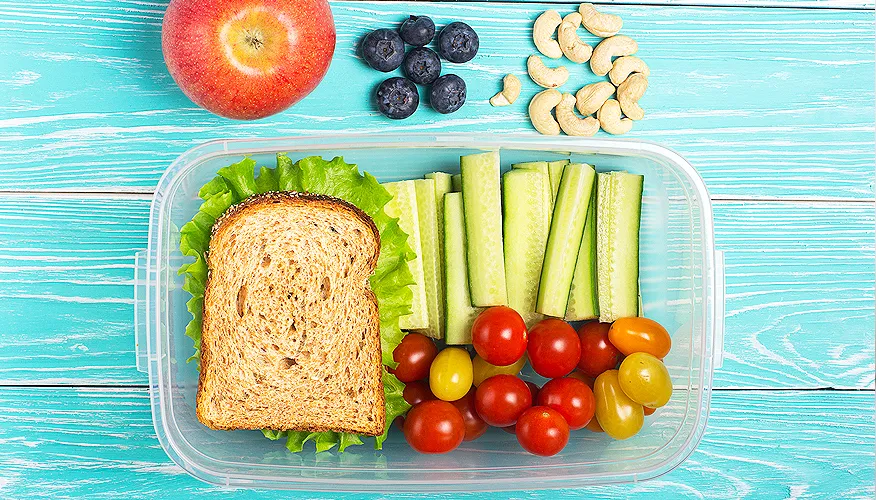
A well-balanced diet with fiber-rich, nutritious snacks is essential for preventing constipation in children.
Ensuring they consume enjoyable, healthful foods during school hours can significantly improve digestion.
Fiber and hydration
- A diet lacking in fiber can lead to hard stools and irregular bowel movements. Ensuring your child consumes sufficient fiber is crucial.
- Drinking enough water also helps soften stool and aids in smooth bowel movements. Pairing fiber-rich snacks with adequate hydration ensures optimal digestive function.
Snacks for digestive health
- Pack snacks like apple slices, orange wedges, or grapes.
- These are rich in fiber, vitamins, and hydration.
- Options like prunes, apricots, and raisins are natural laxatives and serve as great home remedies for constipation in kids with mild constipation.
- Carrot, cucumber, or celery sticks served with a vegan dip like hummus are excellent high-fiber, kid-friendly choices.
When to seek medical attention
While many cases of school-time constipation symptoms can be managed with lifestyle changes, some situations require professional medical intervention.
Parents should watch for signs that indicate constipation has progressed beyond what can be managed at home. Symptoms such as severe abdominal pain, bloating, or vomiting can signal a more serious issue. If your child has not had a bowel movement for more than a week, it’s crucial to seek medical attention immediately. The presence of blood in the stool is a red flag that should never be ignored. If your child experiences constipation frequently, it may point to an underlying medical condition such as irritable bowel syndrome (IBS) or food sensitivities. A pediatrician should be consulted at this point. Even noticeable behavioural changes warrant a check-up.
Conclusion
School-time constipation is a common issue that can be effectively managed with the right approach. Encouraging healthy bathroom habits, regular physical activity, and fiber-rich snacks can greatly reduce the risk. Open communication is key—creating a safe space for children to discuss digestive health fosters trust and understanding. Recognizing early warning signs and seeking timely medical care ensures swift treatment, safeguarding your child’s well-being. By instilling these habits, you not only address immediate concerns but also set the foundation for lifelong digestive health, empowering children to thrive with confidence and comfort.