Anemia might seem like just being a bit more tired than usual, but it’s actually a sign that your body is struggling to carry enough oxygen to your tissues—a key task of red blood cells.
This lack of oxygen can leave you feeling weak and sluggish, affecting everything from your brain function to your immune system.
Thankfully, some straightforward daily habits can help fend off anemia, ensuring your blood is well-equipped to support a vibrant, energetic life.
These habits revolve around what you eat, when you eat, and how you treat your body, proving that sometimes, the best medicine is a bit of prevention.
Let’s explore how everyday choices can keep your blood healthy and anemia at bay.
Enhancing your diet to combat anemia
Ensuring your diet includes plenty of iron-rich foods is a key step in preventing and managing anemia symptoms, especially for those who follow a vegetarian or vegan lifestyle.
Iron is crucial for maintaining hemoglobin levels, which is necessary for transporting oxygen throughout the body.
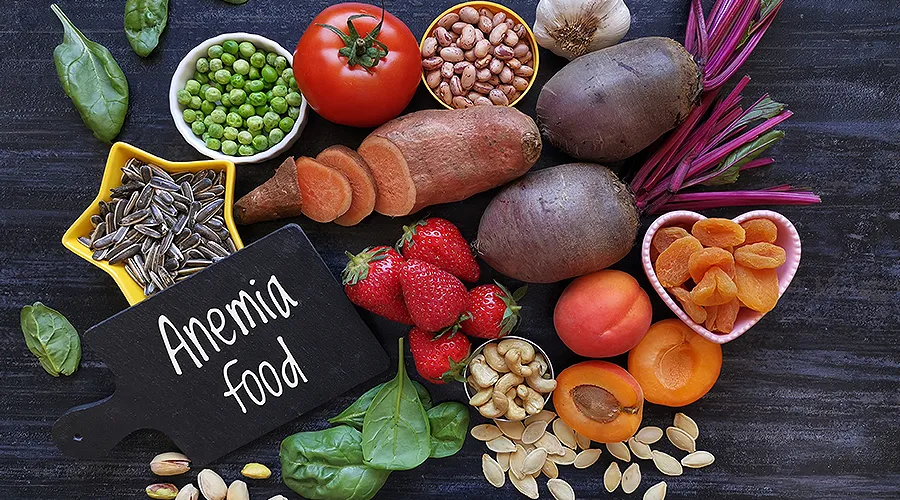
Without sufficient iron, your body struggles to produce enough healthy red blood cells, which can lead to anemia. There are several sources of iron including:
- Leafy Greens: Spinach, kale, and swiss chard are not only high in iron but also contain a multitude of other vitamins.
- Legumes: Lentils, chickpeas, and beans like black beans and kidney beans are great sources of iron and also provide significant protein.
- Seeds and Nuts: Pumpkin, sesame, or hemp seeds, along with cashews and almonds, can be easy snacks that boost your iron intake.
- Whole Grains: Quinoa, fortified cereals, and whole wheat bread are beneficial for increasing hemoglobin levels.
Integrating these iron-rich foods into daily meals can be both delicious and nutritious. Here are some tips and recipes to help you get started:
- Breakfast: Start your day with a serving of cooked quinoa topped with a mix of nuts and fresh fruit for a nutritious iron boost.
- Lunch: A spinach salad tossed with chickpeas, sliced almonds, and a lemon-tahini dressing makes for a refreshing, iron-packed meal.
- Dinner: Palak Paneer and Dhingri Matar are fantastic choices. Palak Paneer combines spinach and cottage cheese, offering a perfect blend of iron and protein, while Dhingri Matar, made with mushrooms and peas, is a savory curry that serves as a comforting end to your day.
- Snacks: Munch on roasted pumpkin seeds or create a trail mix with dried fruit (like apricots or raisins), which are also good sources of iron.
Boost iron absorption with Vitamin C
Vitamin C is crucial for enhancing the absorption of iron, particularly the non-heme iron found in plant-based foods. This essential nutrient transforms iron into a form that’s more easily absorbed by your body, which is particularly important for those following vegetarian or vegan diets.
To aid in iron absorption, it’s important to include plenty of Vitamin C-rich foods in your diet. Here are some plant-based sources that are especially high in Vitamin C:
- Citrus Fruits: Oranges, lemons, and grapefruits are well-known for their high Vitamin C content.
- Strawberries: These berries can be enjoyed fresh, in smoothies, or as a sweet addition to salads or breakfast cereals.
- Peppers: Both bell peppers and spicy varieties like jalapeños provide a substantial amount of Vitamin C.
- Broccoli: This green vegetable is versatile and can be eaten steamed, stir-fried, or raw in salads.
- Tomatoes: A staple in many cuisines, tomatoes can be incorporated into salads, sauces, and various dishes, enhancing flavour and nutritional content.
Recipe ideas to enhance iron absorption
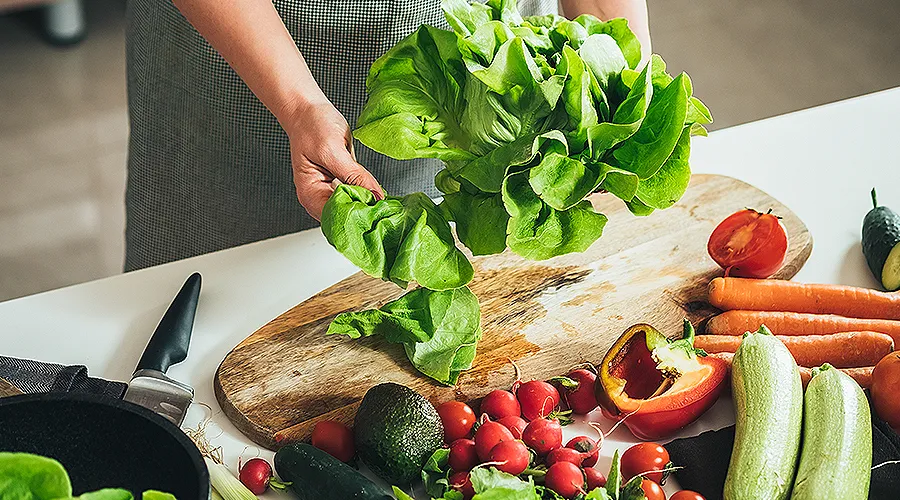
Combining iron-rich foods with those high in Vitamin C can significantly improve iron absorption. Consider these delicious recipes:
- Spinach and Citrus Salad: Toss fresh spinach leaves with orange or grapefruit segments, sprinkle some chopped nuts for added texture, and drizzle with a citrus-based dressing. This salad pairs iron from spinach with Vitamin C from citrus fruits.
- Stuffed Bell Peppers with Quinoa: Prepare a filling of cooked quinoa, chopped tomatoes, and spinach. Stuff this mixture into halved bell peppers and bake until the peppers are tender. The Vitamin C in the peppers and tomatoes enhances iron absorption from the quinoa and spinach.
- Broccoli and Chickpea Stir-Fry: Sauté broccoli florets and chickpeas in a bit of olive oil, then finish with a generous squeeze of lemon juice and zest to brighten the flavours. The lemon not only adds a zesty punch but also boosts the low hemoglobin levels & absorption of iron from the chickpeas and broccoli.
- Kiwi and Blackberry Smoothie: Blend kiwis and blackberries with a banana for sweetness and a splash of orange juice. This smoothie is not only refreshing but also packs a punch of Vitamin C, which helps in the absorption of plant-based iron.
Lifestyle adjustments to combat anemia
Managing or preventing anemia deficiency involves more than just eating the right foods; it also includes adopting certain lifestyle habits that can significantly improve your body’s ability to maintain healthy iron levels and overall blood health.
Avoiding caffeine during meals
- One key lifestyle adjustment is to avoid drinking tea or coffee during meals.
- Both beverages contain compounds called polyphenols and tannins, which can inhibit the absorption of non-heme iron—the form of iron predominant in plant-based foods.
- By waiting at least an hour after eating before consuming these beverages, you can enhance your body’s iron absorption capabilities.
Regular health check-ups
- Regular health check-ups are crucial for monitoring hemoglobin levels, especially for those at higher risk of anemia, such as women, children, and people with chronic diseases.
- These check-ups can help catch symptoms of anemia early, allowing for timely intervention with dietary adjustments or supplements as recommended by healthcare providers.
Integrating physical activity
- Moderate exercise is beneficial as it helps improve blood circulation and red blood cell production.
- However, it’s important to match physical activity with proper nutrition to avoid exercise-induced anemia.
- Incorporating activities like walking, cycling, or swimming can promote overall health without overly taxing the body.
Managing stress
- Chronic stress can negatively impact your health, including your blood’s ability to transport oxygen.
- Implementing stress-reduction techniques such as yoga, meditation, or even regular relaxation time can help maintain both mental and physical health, thereby supporting better blood production.
Prioritizing restful sleep
- Adequate sleep is crucial in maintaining good health and in the management of anemia.
- Sleep helps regulate hormones and reduce stress levels, which in turn can influence overall iron metabolism and absorption.
- Ensuring a regular sleep schedule of 7-9 hours per night can be beneficial.
Considering supplements
- In some cases, dietary adjustments may not suffice for anemia prevention or management.
- Supplements like iron, vitamin B12, and folic acid can be necessary.
- It is important to consult with a healthcare provider before starting any new supplement to ensure it is needed and to avoid potential interactions with other medications.
By integrating these habits into your daily routine, you can create a lifestyle that not only combats anemia but also enhances your overall health and well-being.
Identifying and addressing underlying causes
Beyond nutritional factors, several medical conditions can lead to anemia. It’s crucial to recognize and manage these to effectively prevent and treat anemia:
- Heavy Menstrual Bleeding: Excessive menstrual bleeding can result in significant iron loss, leading to iron-deficiency anemia. Women experiencing heavy periods should consult a healthcare provider to explore treatment options and consider iron supplementation.
- Polycystic Ovary Syndrome (PCOS): PCOS can cause irregular menstrual cycles and heavy bleeding, increasing the risk of anemia. Managing PCOS through lifestyle changes and medical interventions can help mitigate this risk.
- Vitamin B12 Deficiency: Vitamin B12 is essential for red blood cell production. Deficiency can lead to pernicious anemia, characterized by fatigue, weakness, and neurological issues. This deficiency often results from impaired absorption due to conditions like pernicious anemia or dietary insufficiency, especially in vegetarians and vegans. Addressing the underlying cause and supplementing with B12 can correct this deficiency.
- Chronic Diseases: Conditions such as chronic kidney disease, inflammatory bowel disease, or cancers can interfere with red blood cell production and lead to anemia. Managing these conditions under medical supervision is essential to address anemia effectively.
Regular monitoring of hemoglobin levels
- Regular health check-ups are vital for early detection and management of different types of anemia.
- It’s advisable to monitor hemoglobin (Hb) levels once or twice a year, especially for individuals at higher risk, such as women of childbearing age, vegetarians, and those with chronic illnesses.
- A complete blood count (CBC) test can provide valuable insights into your blood health, including hemoglobin levels and red blood cell indices.
By combining a nutrient-rich diet with regular medical evaluations and addressing any underlying health issues, you can effectively prevent and manage anemia, leading to improved energy levels and overall well-being.
Conclusion
Maintaining an iron-rich diet and healthy lifestyle choices are key to preventing and managing anemia.
Including iron-packed meals, boosting absorption with Vitamin C, staying hydrated, avoiding caffeine during meals, and regular physical activity can all improve blood health.
However, individual needs vary, so it’s important to consult with healthcare providers to personalize these tips based on your specific health requirements for the most effective anemia management.